%2Ffit-in%2F250x250%2Fguide_websites%2F18339%2Fimages%2F1759917388272tempimage4pqxhr.png&w=1200&q=100)
//users/8136df2e-0db2-48af-b55e-d4df4d5a5de5/ratecard/ra2.webp)
%2Ffit-in%2F300x300%2Fusers%2F8136df2e-0db2-48af-b55e-d4df4d5a5de5%2Fratecard%2Fra2.webp&w=256&q=75)
%2Ffilters%3Aformat(webp)%2F300x300%2F77ed0c23-4efd-4c4a-b823-0f75c5a6ef31%2Freport%2Fsocial%2Fimages%2Freport%2Fwest-palm-beach-cobia-catch-10346.png&w=256&q=75)
%2Ffilters%3Aformat(webp)%2F300x300%2F77ed0c23-4efd-4c4a-b823-0f75c5a6ef31%2Freport%2Fsocial%2Fimages%2Freport%2Fred-snapper-west-palm-beach-6408.png&w=256&q=75)
%2Ffilters%3Aformat(webp)%2F300x300%2F77ed0c23-4efd-4c4a-b823-0f75c5a6ef31%2Freport%2Fsocial%2Fimages%2Freport%2Fred-snapper-west-palm-beach-10114.png&w=256&q=75)
%2Ffilters%3Aformat(webp)%2F300x300%2F77ed0c23-4efd-4c4a-b823-0f75c5a6ef31%2Freport%2Fsocial%2Fimages%2Freport%2Fdouble-mahi-mahi-west-palm-4226.png&w=256&q=75)
%2Ffilters%3Aformat(webp)%2F300x300%2F1434b3a8-b143-48c0-9bf2-8730d8ea1088%2Freport%2Fsocial%2Fimages%2Freport%2Fnighttime-redfish-west-palm-beach-7706.png&w=256&q=75)
%2Ffilters%3Aformat(webp)%2F300x300%2F1434b3a8-b143-48c0-9bf2-8730d8ea1088%2Freport%2Fsocial%2Fimages%2Freport%2Fnight-redfish-catch-west-palm-5389.png&w=256&q=75)
%2Ffilters%3Aformat(webp)%2F300x300%2F1434b3a8-b143-48c0-9bf2-8730d8ea1088%2Freport%2Fsocial%2Fimages%2Freport%2Fnight-marina-redfish-west-palm-6256.png&w=256&q=75)
%2Ffilters%3Aformat(webp)%2F300x300%2F1434b3a8-b143-48c0-9bf2-8730d8ea1088%2Freport%2Fsocial%2Fimages%2Freport%2Fnight-fishing-boat-west-palm-12057.png&w=256&q=75)
%2Ffilters%3Aformat(webp)%2F300x300%2F1434b3a8-b143-48c0-9bf2-8730d8ea1088%2Freport%2Fsocial%2Fimages%2Freport%2Fmutton-snapper-west-palm-beach-8536.png&w=256&q=75)
%2Ffilters%3Aformat(webp)%2F300x300%2F1434b3a8-b143-48c0-9bf2-8730d8ea1088%2Freport%2Fsocial%2Fimages%2Freport%2Fmutton-snapper-west-palm-beach-3951.png&w=256&q=75)
Palm Beach Charter Fishing: World-Class Offshore Trip

 West Palm Beach, FL, United States
What you will be catching:
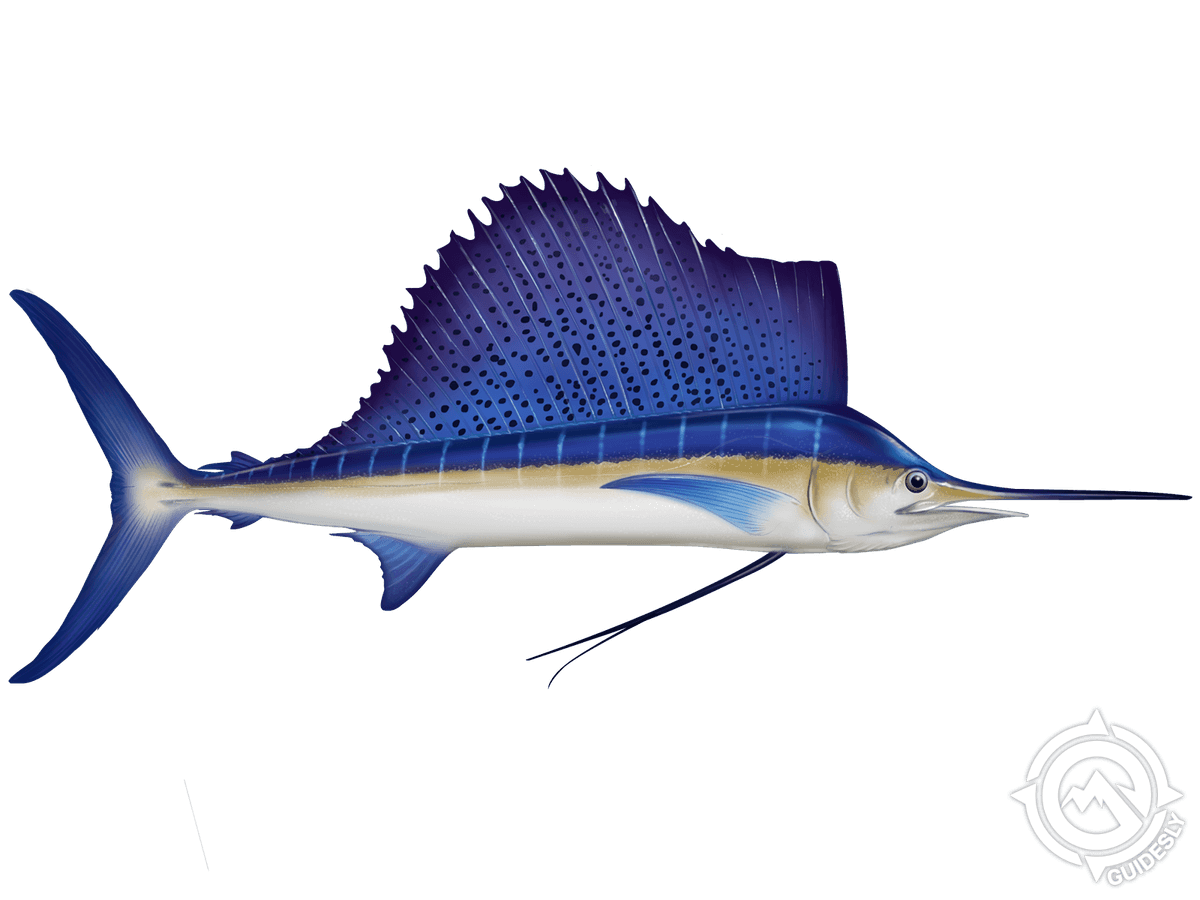
 Atlantic Sailfish
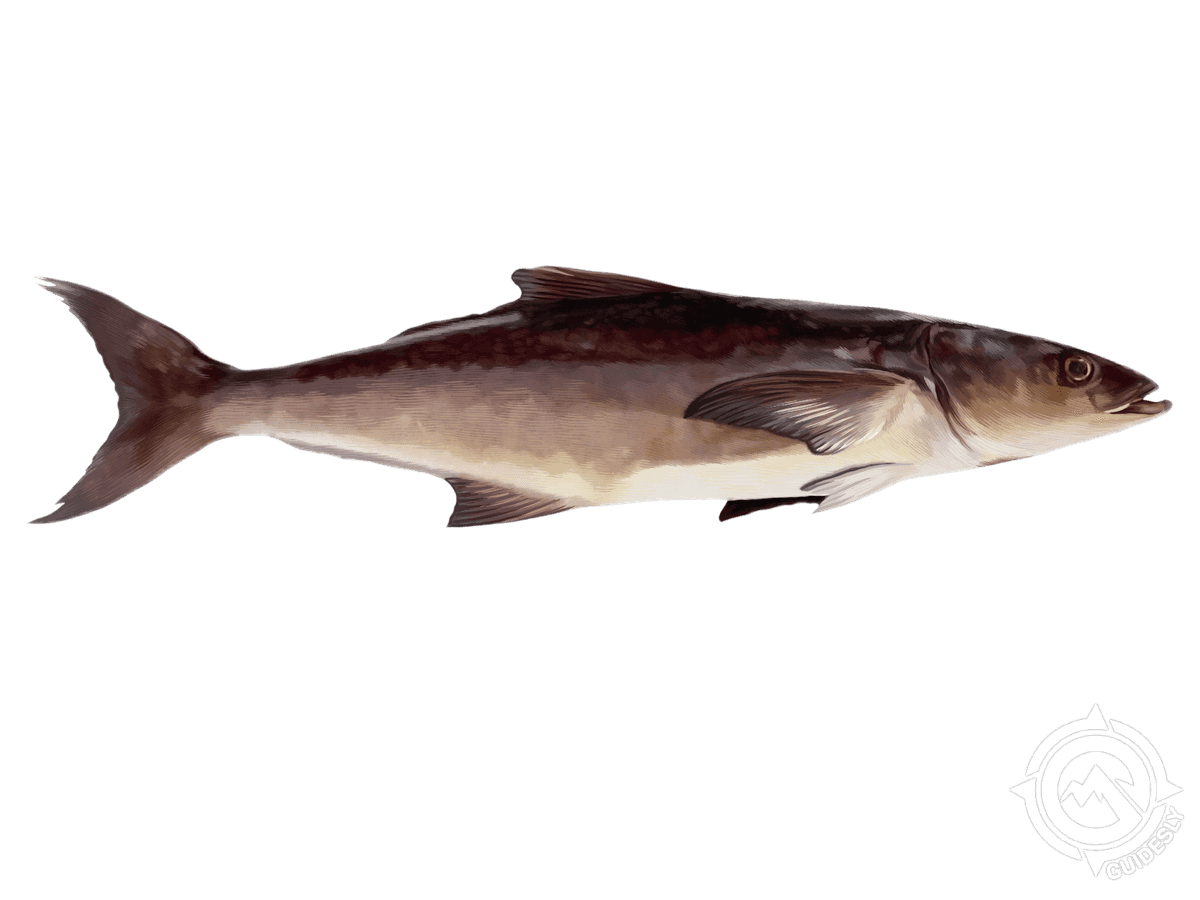
 Cobia
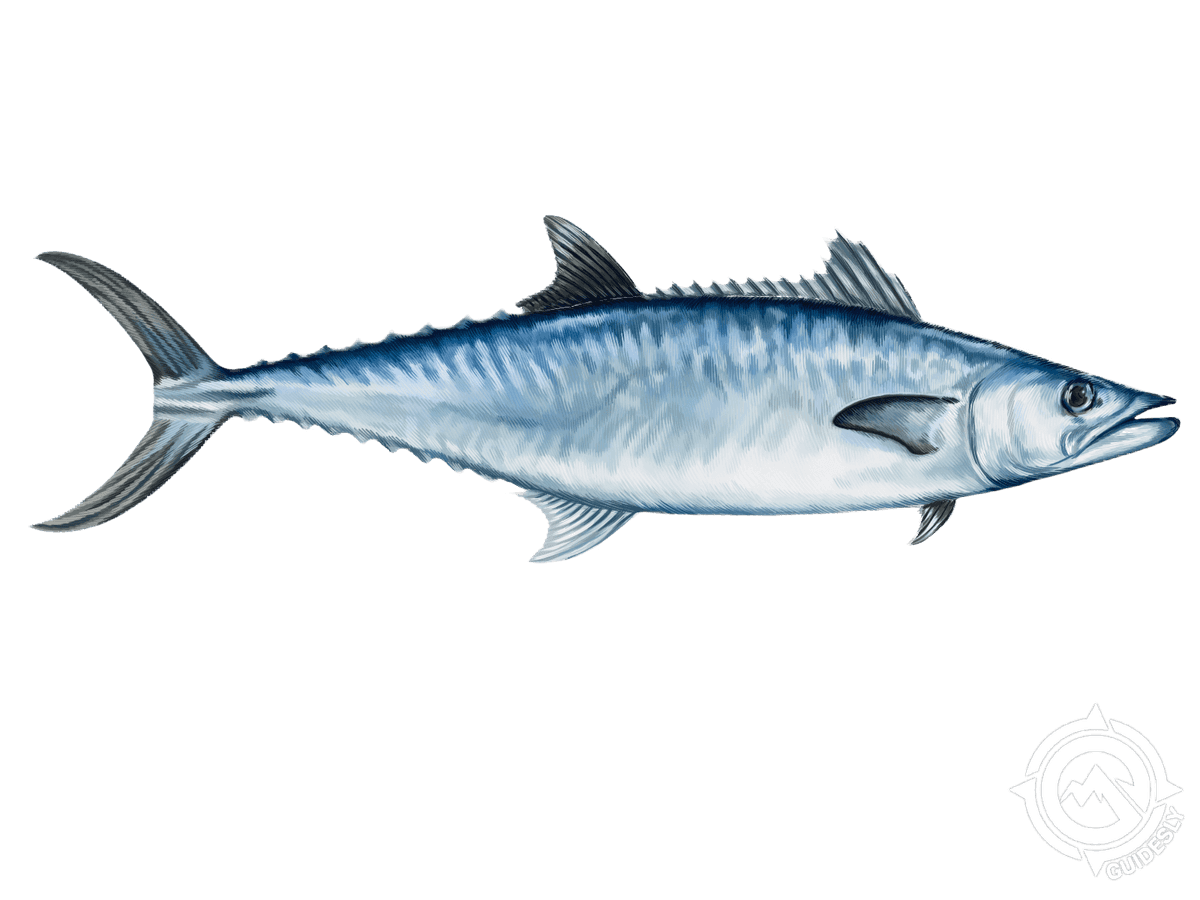
Cobia King Mackerel
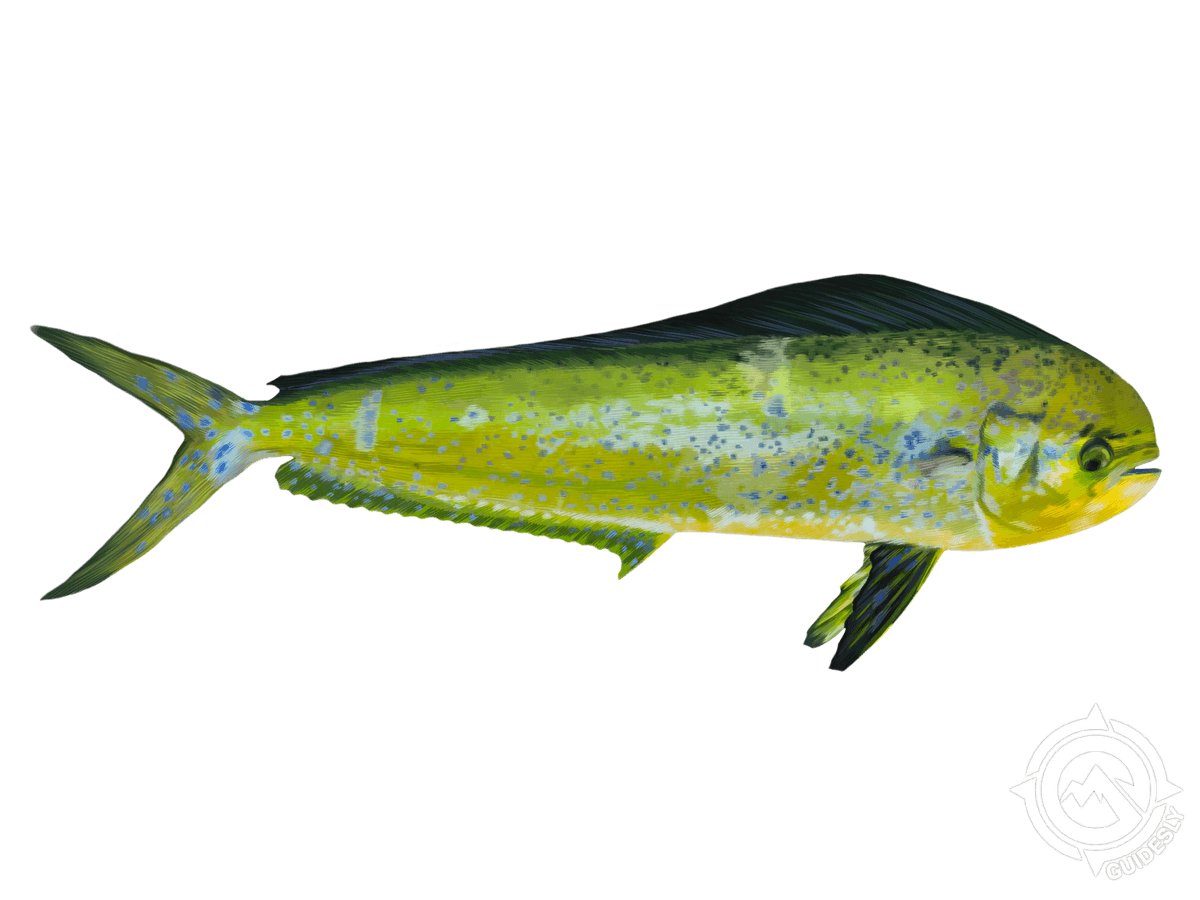
 Mahi Mahi or Common Dolphinfish
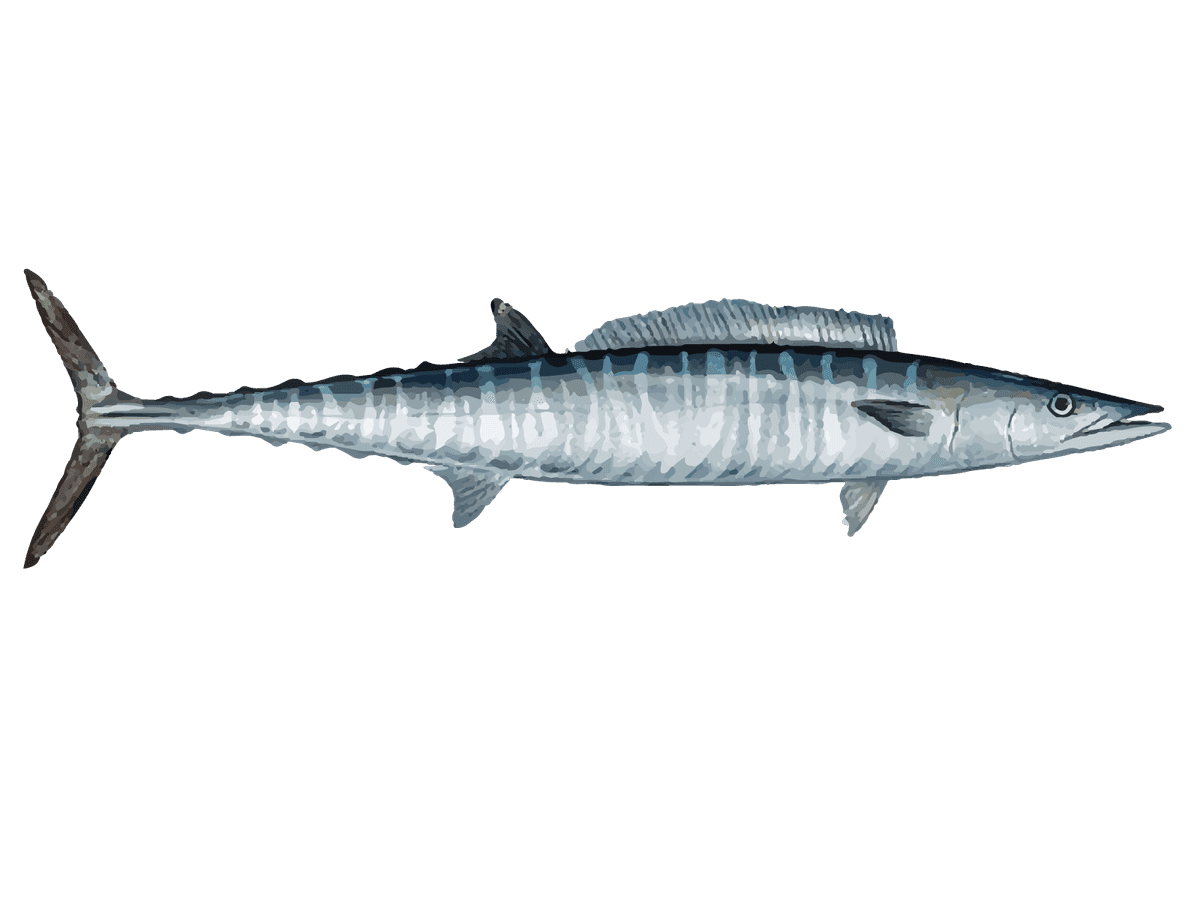
 Wahoo Fish
Trip Pricing and Availabilities :
No trip pricing information available at this time.
Palm Beach Charter Fishing with Tuna Wahoo
Ready to get your lines wet in some of Florida's most productive fishing waters? Palm Beach offers world-class offshore action that draws anglers from around the globe, and Captain Rich knows exactly where to find the fish. This half-day charter takes you beyond the reef where the big boys live – king mackerel, sailfish, wahoo, and those bucket-list tuna that'll have your drag screaming. With room for up to 5 anglers and all licenses included, it's the perfect setup whether you're bringing your fishing crew or introducing the family to serious offshore action.
What to Expect on the Water
Captain Rich and his experienced mate don't mess around when it comes to putting you on fish. They'll start the day by reading conditions – wind, current, bait activity – then make the call on whether to work inshore structure or head to the deeper blue water where pelagics cruise. The Gulf Stream's influence here creates perfect conditions for holding baitfish, which means predators aren't far behind. You'll cover water efficiently, hitting multiple spots throughout the trip to maximize your chances. The boat's equipped with quality tackle and electronics, but the real advantage is having a captain who's been working these waters long enough to know where fish stack up based on season, weather, and time of year. Don't forget to bring cash for the mate's tip – these guys work hard to keep you hooked up, and it's standard practice in the charter world.
Techniques and Tackle
Depending on what's biting, you'll get hands-on experience with different approaches that produce results in South Florida waters. Trolling is often the name of the game when targeting wahoo and mahi – pulling a spread of lures at various depths while covering ground to locate active fish. When sailfish are around, switching to live bait can turn a slow day into fish after fish. King mackerel respond well to both methods, and if conditions are right for bottom fishing near structure, you might drop down for cobia or other reef species. The crew handles all the rigging and will teach you the finer points of each technique. They know which baits work best for each target species and how to adjust presentations based on water conditions. Live bait charges are separate from your trip cost, but it's worth every penny when fish are keyed in on the real thing rather than artificials.
What Anglers Are Saying
"Caught a massive tuna I've dreamed about for years. Adrenaline rush start to finish. If you're into big game fishing, this is the trip." - Chandler
Top Catches This Season
King mackerel are the bread and butter of Palm Beach fishing, and for good reason. These aggressive predators patrol the reef line and nearshore waters, especially during cooler months from October through March. They'll hit both live bait and trolled spoons with authority, often making blistering runs that'll test your drag settings. Most kings here run 15-40 pounds, though trophy fish over 50 pounds show up regularly enough to keep things interesting. What makes king fishing so addictive is their fighting style – they're fast, they jump, and they don't give up easily.
Atlantic sailfish bring a different kind of excitement to the table. These acrobatic billfish show up best during winter months, particularly January through April when they migrate through Palm Beach waters in good numbers. Sailfish average 6-8 feet long and put on an aerial display that's hard to match – multiple jumps, tail-walking, and blistering runs toward the boat. Most charter operations practice catch and release for sails, which means you get the fight without depleting the fishery. When conditions align and you find a school of sails, it's not uncommon to raise multiple fish in a single trip.
Cobia are the bruisers of the bunch, often showing up around structure, floating debris, or even free-swimming in open water. Spring and fall offer the best cobia action, with fish ranging from 20-60 pounds. They're curious by nature and will often follow the boat, giving you a clear shot with live bait or jigs. Once hooked, cobia make powerful runs and use their broad sides to fight against the current. The meat quality is outstanding, making them a favorite target for anglers who want great table fare along with a solid battle.
Wahoo represent the speed demons of the offshore world. These torpedo-shaped predators can reach speeds over 60 mph and hit trolled lures with incredible violence. Most wahoo in Palm Beach waters run 20-50 pounds, though larger specimens push the 80-pound mark. They're more common during warmer months but can show up year-round when conditions are right. The key to wahoo fishing is covering water at the right depth – they often suspend in the water column rather than hugging bottom or surface. When you hook a wahoo, the initial run is absolutely explosive.
Mahi mahi, or common dolphinfish, bring consistent action and beautiful colors to your fishing day. These fast-growing pelagics school around floating structure, weed lines, and temperature breaks. Most mahi here range from 5-25 pounds, with larger bulls occasionally topping 40 pounds. They're aggressive feeders that'll hit both live bait and artificials, and their acrobatic fights make them a blast on lighter tackle. Mahi are also excellent eating, so you'll want to keep a few for the dinner table. Peak season runs from spring through fall, though they can be found year-round in South Florida waters.
Time to Book Your Spot
Palm Beach charter fishing delivers the kind of action that keeps anglers coming back season after season. Captain Rich's local knowledge combined with prime fishing grounds means you're in for a day that showcases why this area has such a strong reputation among serious fishermen. Whether you're chasing your first sailfish, looking to upgrade your personal best king mackerel, or just want to
Customer Reviews
Epic Tuna Adventure

Chandler Shetty
June 2, 2025
Meet the Species: What Makes Them Great
Atlantic Sailfish
Sailfish are the crown jewel of Palm Beach fishing, averaging 6-8 feet and 40-80 pounds. We target them in 30-200 feet, often near the edge or around weedlines. Winter months are prime time here - that's when they migrate through in good numbers. What guests love most is watching these fish light up in brilliant blues and stripes when hooked, plus those amazing jumps and long runs. They're pure adrenaline on light tackle. The meat is decent but most folks release them for the next angler. Pro tip: when a sail comes up on your bait, resist the urge to set the hook immediately. Let them eat it and start that first run before you come tight on them.
Cobia
Cobia are one of our favorite targets because they're usually solo hunters that average 30-60 pounds, with some pushing 100. We spot them cruising around buoys, wrecks, and structure in 20-80 feet during spring and summer months. They're curious fish that will often swim right up to the boat to check you out. Guests love the strong, sustained fight they put up, plus cobia are fantastic table fare - white, flaky meat that tastes amazing grilled. Since they're sight fish most of the time, we'll cruise around looking for that dark shadow just under the surface. Once you spot one, drop a bucktail jig or live bait right in front of them and hang on tight.
King Mackerel
Kings are some of the fastest fish you'll hook here in Palm Beach, typically running 20-40 pounds with occasional monsters over 60. We find them in 40-150 feet, often around structure or current breaks. Spring through fall gives us the best action when they're feeding heavily on baitfish. What makes kings so popular is that blazing first run - they'll scream line off your reel like few other fish. Plus, they're excellent eating with firm, flaky meat. Here's a local tip: when trolling for kings, use a wire leader and keep your baits skipping on the surface. They love to smash a bait that's acting like a fleeing ballyhoo or mackerel.
Mahi Mahi or Common Dolphinfish
Mahi are some of the most colorful fish we catch, flashing gold, green, and blue when hooked. They average 10-30 pounds and love hanging around floating debris, weedlines, and current edges in 100-1000 feet. Spring through fall is prime time when they're thick out there. What guests love is how they jump and put on a show, plus the meat is absolutely delicious - firm, white, and sweet. We usually find them in schools, so when you hook one, keep the others around by leaving one in the water while rigging fresh baits. Look for birds working over floating sargassum - that's where you'll find the mahi feeding underneath.
Wahoo Fish
Wahoo are built for speed, hitting 50+ mph and averaging 20-50 pounds with some giants over 80. We troll for them in open water, usually 100+ feet, focusing on current edges and temperature breaks. Best fishing is fall through early spring when they move through our area. What makes wahoo special is that initial run - it's like hooking a freight train. The meat is outstanding too, white and mild like premium tuna. Most are caught while high-speed trolling for other species. Key tip: always use wire leaders because their razor-sharp teeth will cut through mono in a heartbeat. When one hits, don't try to stop that first run or you'll lose them for sure.
Vehicles
%2F%2Fusers%2F8136df2e-0db2-48af-b55e-d4df4d5a5de5%2Fvehicle_picture%2Fpexels-roman-odintsov-6585322-mdpohske.jpg&w=1200&q=75)
Vehicle Guest Capacity: 6
Manufacturer Name: Cummins
Maximum Cruising Speed: 30
Number of Engines: 2
Horsepower per Engine: 270





Caught a massive tuna I’ve dreamed about for years. Adrenaline rush start to finish. If you're into big game fishing, this is the trip.