%2Ffit-in%2F250x250%2Fguide_websites%2F18339%2Fimages%2F1759917388272tempimage4pqxhr.png&w=1920&q=100)
Offshore Fishing for White Grunt in Florida
Little Tunny Fishing in West Palm Beach, FL
4.8

12 Reviews
- 5
 83%
83% - 417%
- 3
 0%
0% - 20%
- 10%
%2F%2Fusers%2F8136df2e-0db2-48af-b55e-d4df4d5a5de5%2Fimages%2Fwest-palm-beach-white-grunt-3060.png&w=1920&q=75)
The Little Tunny belongs to the order Perciformes and family Scombridae. It typically measures between 24 and 48 inches in length, with a weight range from 5 to 15 lbs. Habitat: onshore, nearshore, offshore. - Also known as Bonita, False Albacore, or Little Tuna. - Considered one of the smaller variants of tuna. - Defense mechanism includes schooling and migratory behavior. - Usually head south during Winter or Fall.
Guided Fishing Trip by Guide Rich Adler
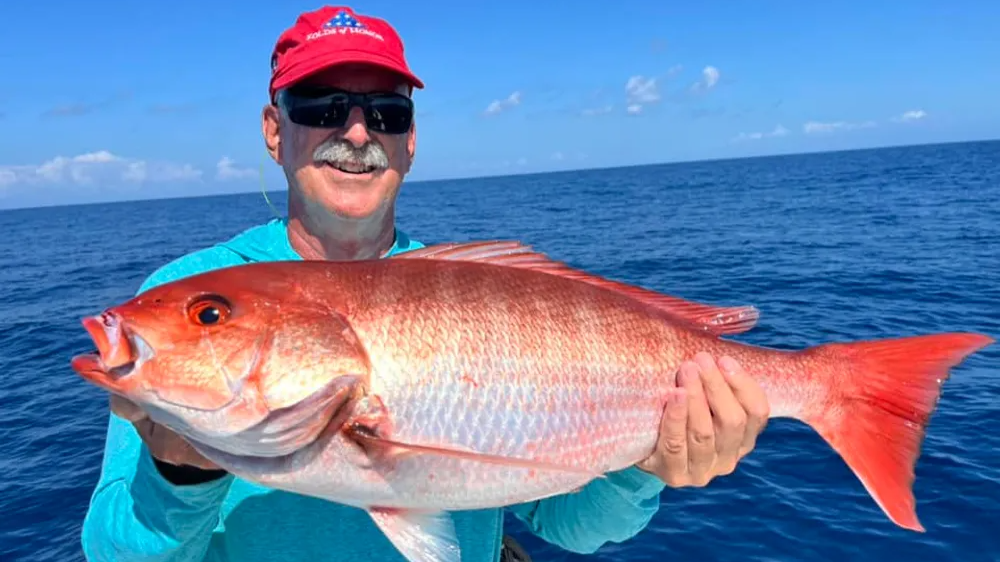
Meet your Guide Rich Adler
- Palm Beach Sportfishing - Tuna, Wahoo and more!


Summary
Captain Rich Adler of Tuna Wahoo Charters on Sunday August delivered an outstanding offshore fishing experience in West Palm Beach waters. This 4-hour guided fishing trip launched from Riviera Beach City Marina, targeting Little Tunny, White Grunt, and other seasonal species using trolling and kite fishing techniques. The charter accommodates up to 5 guests and includes all necessary equipment, fishing licenses, and expert local knowledge. Perfect for families and anglers of all skill levels, these offshore adventures showcase the incredible diversity of Florida's coastal waters. Book online to secure your spot during the peak summer bite when Little Tunny and other pelagic species are most active in the area.
Fishing Charter with Rich Adler – Rates & Booking
Captain Rich Adler of Tuna Wahoo Charters on Sunday August offers comprehensive 4-hour offshore fishing adventures departing from Riviera Beach City Marina. These family-friendly charters accommodate up to 5 guests and include all fishing equipment, licenses, and expert guidance. Rates vary by season and group size, with live bait costs and mate gratuity handled separately. Book online or call to check availability for your preferred dates during the active summer fishing season.
Highlights of Family-Friendly Palm Beach Fishing Charters
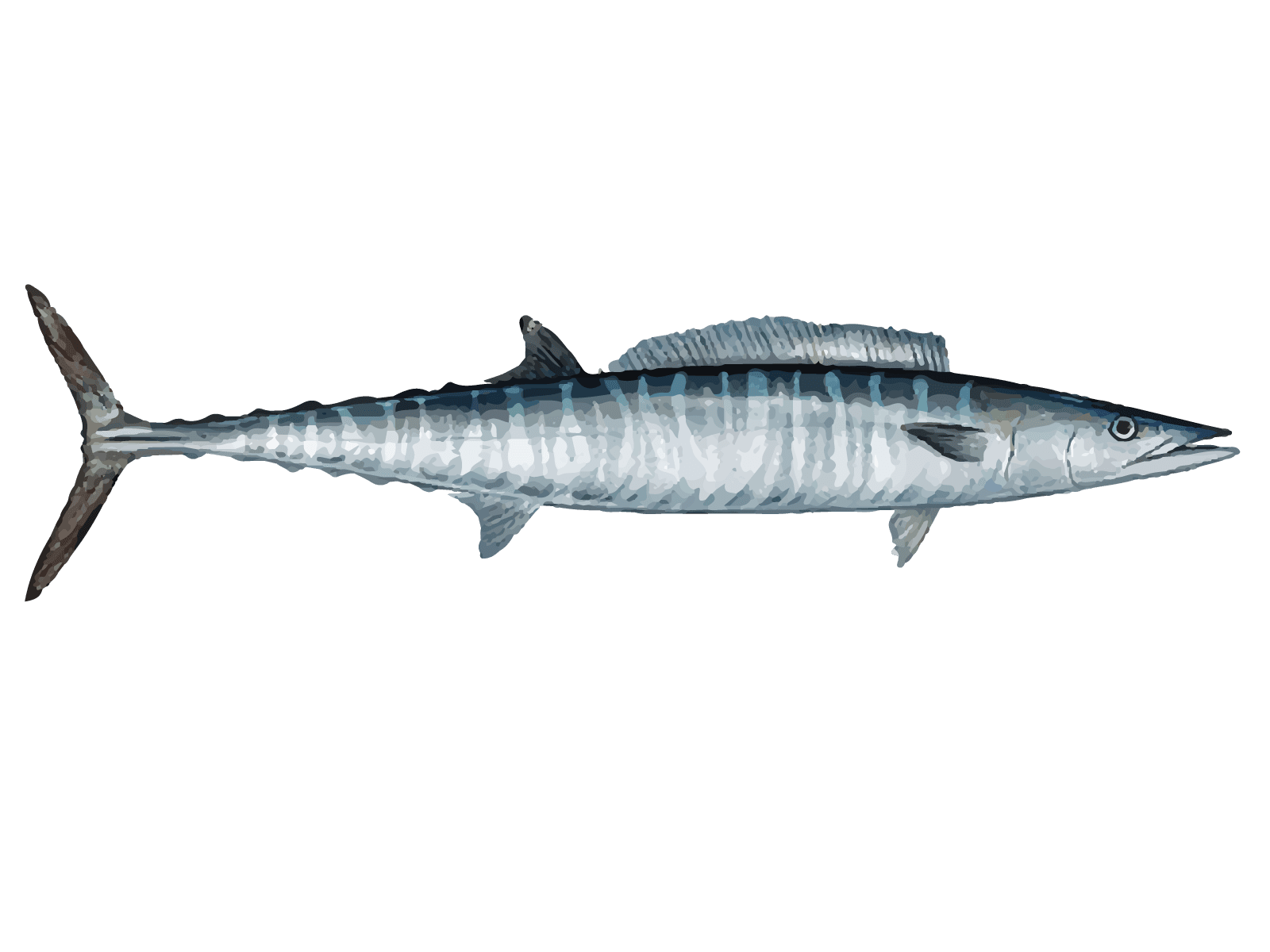
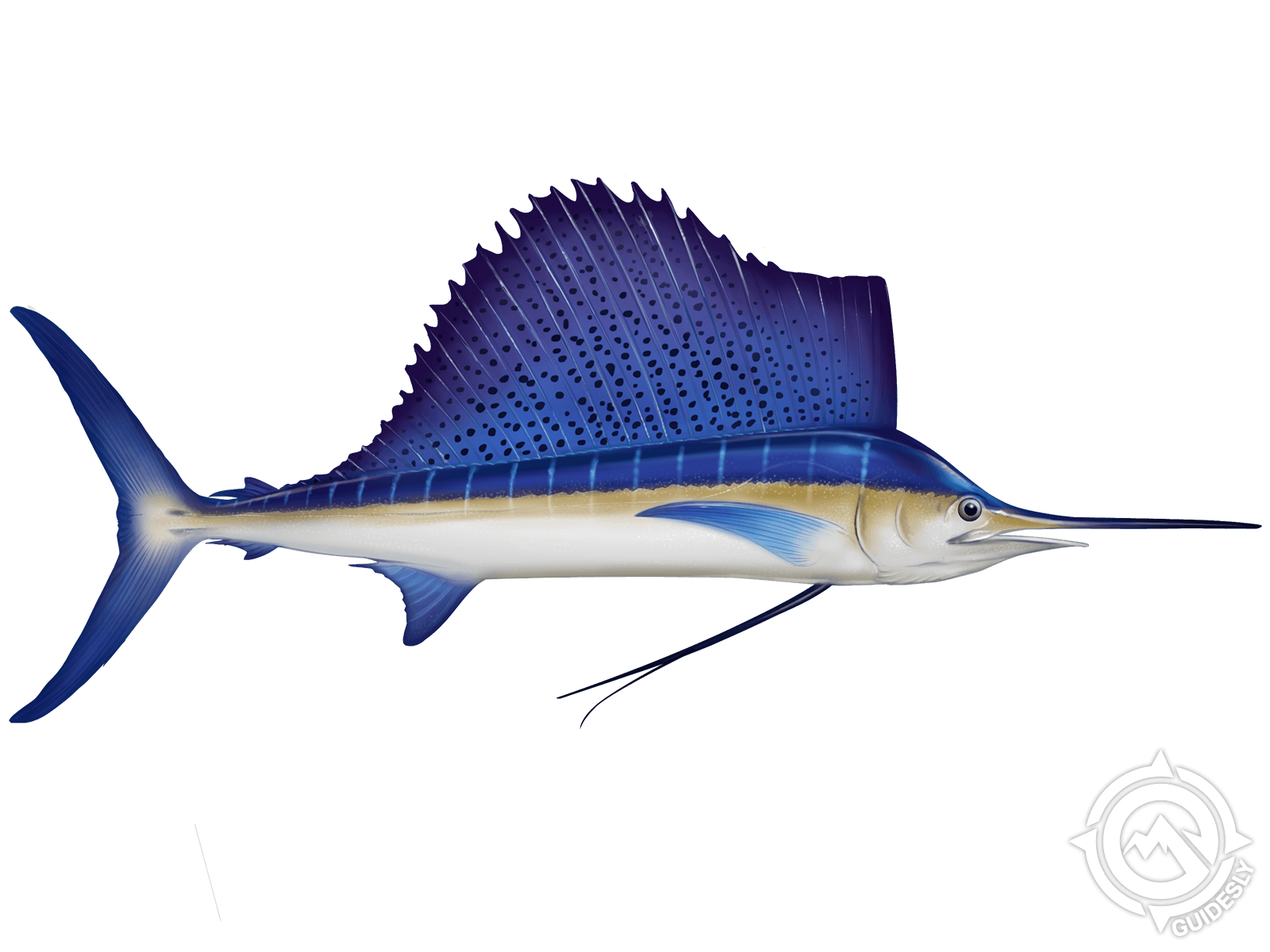
Experience diverse offshore fishing targeting Sailfish, Mahi Mahi, Wahoo, Tuna, Snapper, and Grouper based on seasonal migrations. Captain Rich employs multiple techniques including drift fishing, kite fishing, and bottom fishing to maximize your success. Recent trips have produced impressive catches including 51-inch Grey Triggerfish, Yellowfin Tuna, King Mackerel, and Atlantic Sailfish sightings. The charter provides a perfect introduction to Florida's offshore fishing for beginners while offering enough action to satisfy experienced anglers.
Local Species Insights: Little Tunny
Little Tunny thrive in West Palm Beach's offshore waters during summer months, forming schools that migrate along Florida's coast. These fast-swimming members of the tuna family respond well to trolling techniques and live bait presentations. Captain Rich targets them in 30-100 foot depths where they feed on small baitfish and squid. August represents prime time for Little Tunny fishing, as warmer water temperatures concentrate baitfish and attract these aggressive predators close to accessible fishing grounds.
Plan Your Fishing Charter Day
Your 4-hour adventure begins at Riviera Beach City Marina with a fully equipped sportfishing vessel designed for offshore comfort and safety. Captain Rich provides all rods, reels, tackle, and fishing licenses, while guests are welcome to bring food and beverages aboard. The charter targets various species using proven local techniques, with the captain adjusting strategies based on current conditions and fish activity. Expect a mix of trolling for pelagic species and bottom fishing for reef dwellers, ensuring consistent action throughout your trip.
Fishing in West Palm Beach: Little Tunny and White Grunt
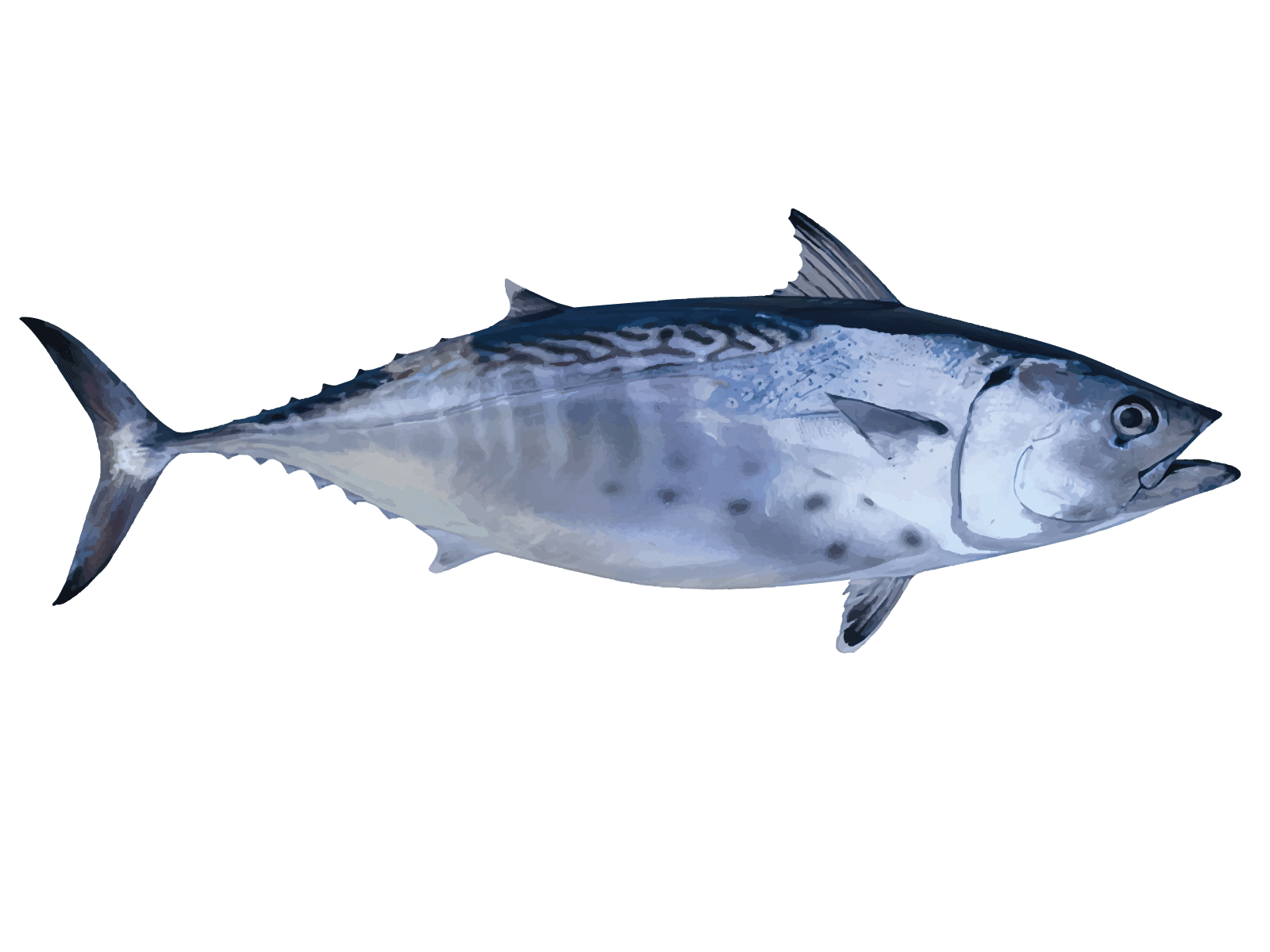
Little Tunny (Euthynnus alletteratus), also known as Bonita, False Albacore, or Little Tuna, belongs to the order Perciformes and family Scombridae. This smaller variant of tuna is distinguished by its streamlined body, dark wavy lines on the back, and distinctive spotted pattern below the pectoral fins. In West Palm Beach waters this August, these fast-swimming pelagics provide exciting action for offshore anglers.
Little Tunny Overview
Little Tunny are highly migratory fish that travel in schools as a primary defense mechanism. They resemble a hybrid between Skipjack Tuna and various mackerel species, with their torpedo-shaped bodies built for speed and endurance. Anglers value them for their aggressive strikes and strong fighting ability relative to their size.
Little Tunny Habitat and Distribution
These fish inhabit onshore, nearshore, and offshore waters throughout the western Atlantic. Around West Palm Beach, they're commonly found in 30-200 foot depths, often following baitfish schools and temperature breaks. They prefer warmer waters and migrate seasonally, typically moving south during fall and winter months.
Little Tunny Size and Weight
Little Tunny typically measure between 24 and 48 inches in length, with weights ranging from 5 to 15 pounds. Most fish caught in Florida waters fall in the 12-20 pound range, though larger specimens exceeding 15 pounds provide memorable battles on appropriate tackle.
Little Tunny Diet and Behavior
These predators feed primarily on small baitfish, squid, and crustaceans. They're most active during dawn and dusk periods, though they can be caught throughout the day when conditions are right. Their schooling behavior makes them excellent targets for trolling and live bait fishing techniques.
Little Tunny Spawning Season
Little Tunny spawn in offshore waters during warmer months, with peak activity occurring in spring and early summer. They prefer water temperatures above 70°F for spawning, which coincides with their northward migration along Florida's coast.
Little Tunny Fishing Techniques
Effective methods include high-speed trolling with small spoons, feathers, or cedar plugs. Live bait fishing with pilchards, sardines, or goggle-eyes also produces excellent results. In August around West Palm Beach, anglers find success trolling the edge of the Gulf Stream where these fish concentrate while feeding on abundant baitfish.
Little Tunny Is It Good to Eat?
Little Tunny offers firm, red meat with a strong flavor similar to other tuna species. The flesh is high in protein and omega-3 fatty acids. Many anglers prefer to bleed and ice the fish immediately for best table quality, though some prefer catch and release due to their sporting value.
Little Tunny Frequently Asked Questions
Q: What is the best bait for Little Tunny?
A: Live pilchards, sardines, and small trolling lures like spoons and feathers work best. High-speed trolling at 6-8 knots is most effective.
Q: Where can I find Little Tunny near West Palm Beach?
A: Look for them along temperature breaks, near baitfish schools, and in 30-200 foot depths offshore. The Gulf Stream edge is particularly productive.
Q: Is Little Tunny good to eat?
A: Yes, when properly handled. The meat is firm and flavorful, high in protein and omega-3s. Immediate bleeding and icing improves table quality significantly.
Q: When is the best time to catch Little Tunny?
A: Summer months offer peak action, with August being excellent in West Palm Beach. Early morning and late afternoon typically produce the most strikes.
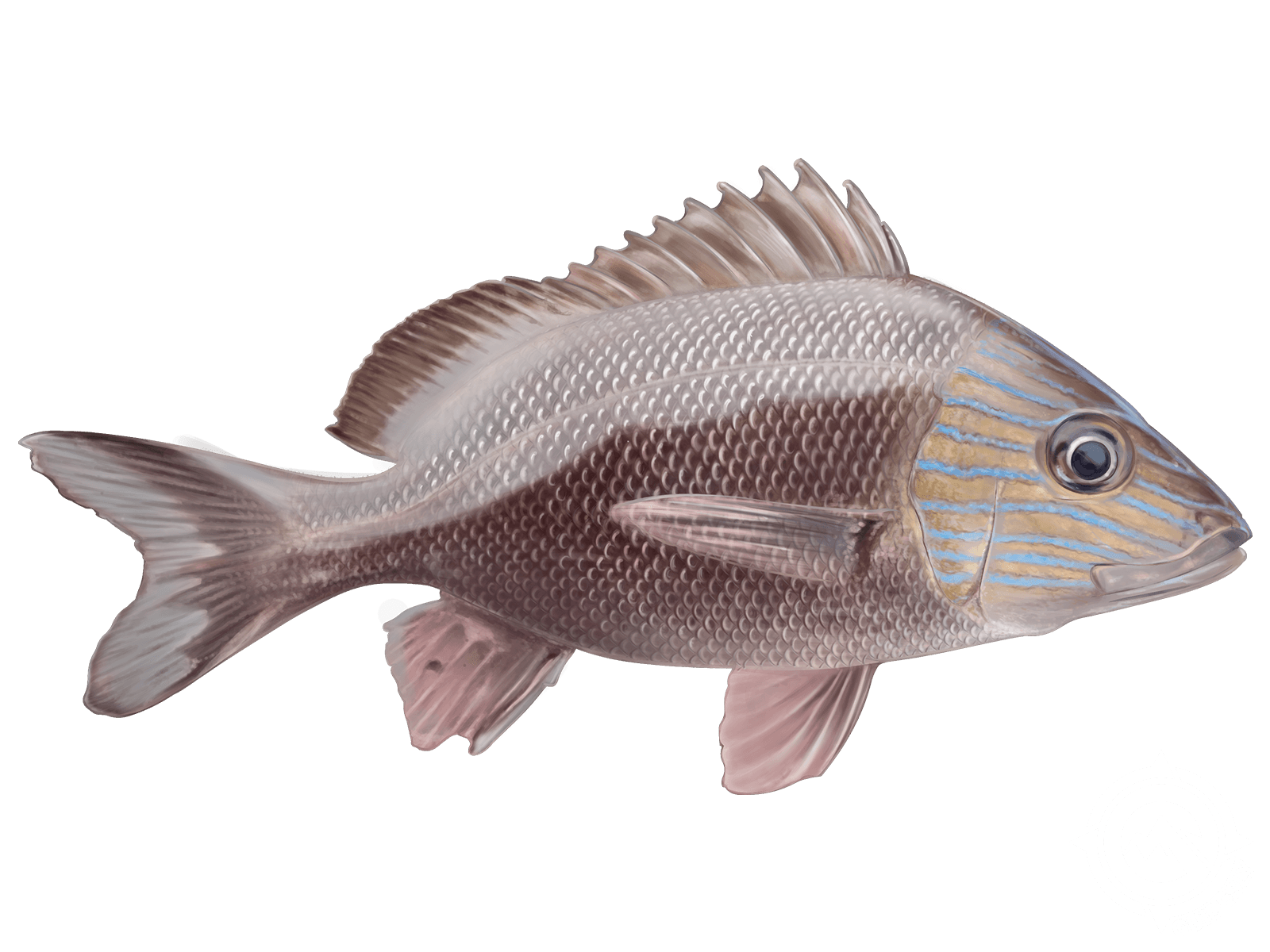
White Grunt (Haemulon plumierii), also known as common grunt, flannelmouth grunt, or Key West grunt, belongs to the order Perciformes and family Haemulidae. This versatile species displays a silvery-blue to creamy yellow and bronze coloration with distinctive blue and yellow vertical stripes. Native to the Atlantic Ocean, White Grunt are abundant in West Palm Beach waters during August, making them reliable targets for bottom fishing.
White Grunt Overview
White Grunt are among the most common reef fish in Florida waters, known for their distinctive grunting sound produced by grinding their pharyngeal teeth. They're excellent table fare and provide consistent action for anglers of all skill levels, making them perfect for family fishing trips.
White Grunt Habitat and Distribution
These adaptable fish inhabit offshore reefs, inshore structures, and backcountry waters throughout their range. Around West Palm Beach, they're commonly found around artificial reefs, natural ledges, and rocky bottom areas in 20-100 feet of water, though they can be caught in much shallower areas near shore.
White Grunt Size and Weight
White Grunt typically measure between 6 and 14 inches in length, with weights ranging from 2 to 6 pounds. Most fish caught recreationally fall in the 8-12 inch range, providing excellent eating size while maintaining sustainable populations.
White Grunt Diet and Behavior
These bottom feeders consume small crustaceans, worms, mollusks, and small fish. They're most active during dawn and dusk but can be caught throughout the day. White Grunt often school in large numbers around structure, making them ideal targets for multi-species bottom fishing trips.
White Grunt Spawning Season
White Grunt spawn during warmer months, with peak activity occurring from spring through early fall. They prefer water temperatures above 75°F for spawning, which coincides with their increased feeding activity and catchability.
White Grunt Fishing Techniques
Bottom fishing with small hooks and natural baits works best. Effective baits include shrimp, squid strips, cut bait, and small crabs. In August around West Palm Beach, anglers find success fishing near reefs and structures in 30-80 feet of water using light tackle for maximum sport.
White Grunt Is It Good to Eat?
White Grunt are excellent table fare with firm, white, flaky meat and mild flavor. They're low in mercury and high in protein, making them a healthy seafood choice. The meat is versatile and works well fried, grilled, or baked with various seasonings.
White Grunt Frequently Asked Questions
Q: What is the best bait for White Grunt?
A: Fresh shrimp, squid strips, and cut bait work exceptionally well. Small pieces are key since White Grunt have relatively small mouths.
Q: Where can I find White Grunt near West Palm Beach?
A: Target artificial reefs, natural ledges, and rocky bottom areas in 20-100 feet of water. They often school around structure during daylight hours.
Q: Is White Grunt good to eat?
A: Absolutely. They offer firm, white, flaky meat with mild flavor, low mercury content, and high protein. They're considered excellent table fare throughout Florida.
Q: When is the best time to catch White Grunt?
A: Summer months like August provide excellent fishing, with dawn and dusk being most productive. However, they can be caught throughout the day around structure.
More species you can explore on this trip
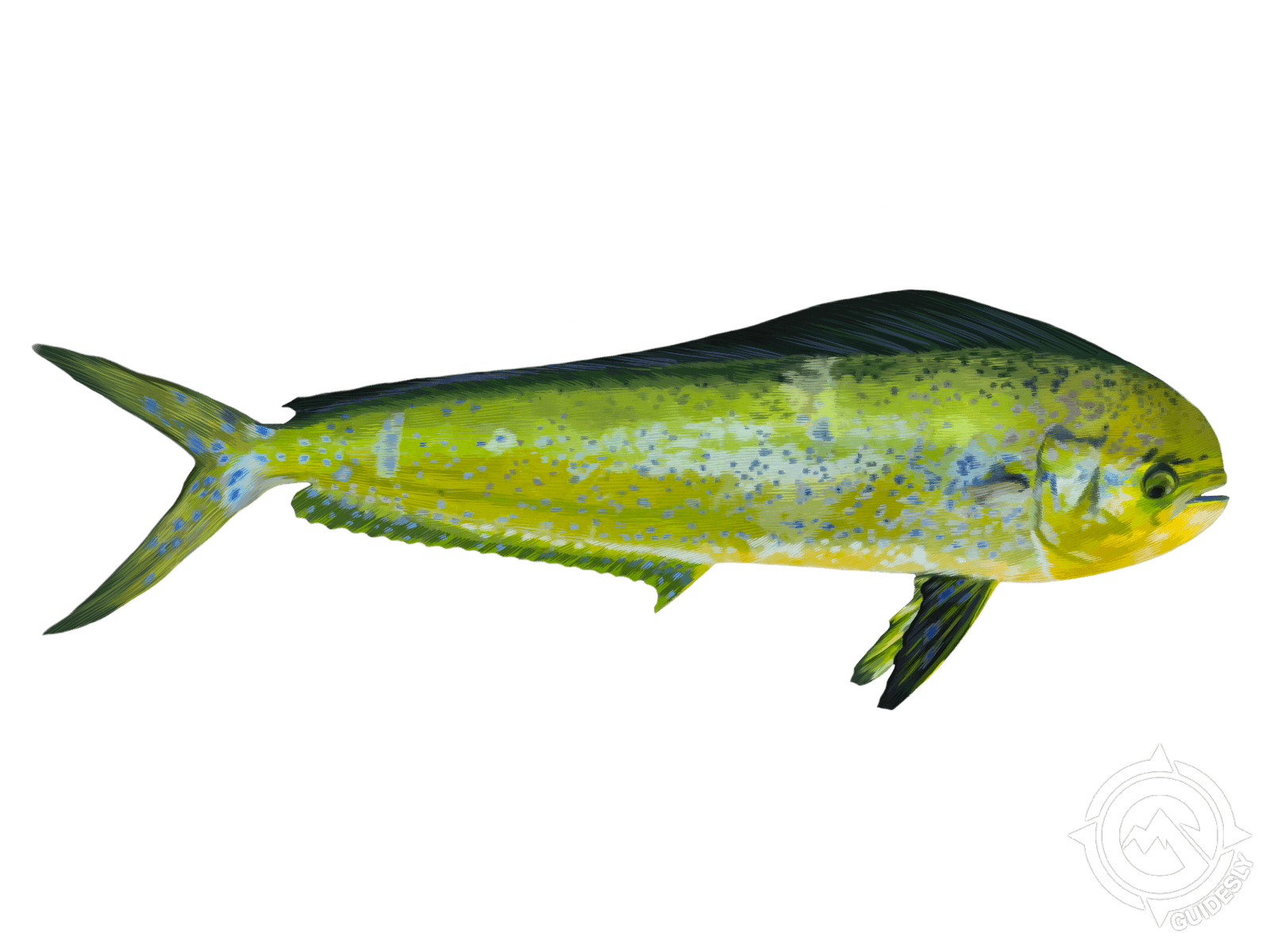
Tuna Wahoo Charters Available Trips
Other customer memories from this trip
Get ready for an unforgettable offshore adventure with your friends! This fishing charter is the perfect way to experience the stunning Palm Beach waters and try your hand at catching some incredible sea creatures. With room for up to 5 guests, you'll have plenty of space to spread out and enjoy the ride.