%2Ffit-in%2F250x250%2Fguide_websites%2F18339%2Fimages%2F1759917388272tempimage4pqxhr.png&w=1920&q=100)
Caught a Little Tunny Offshore in West Palm
Little Tunny Fishing in West Palm Beach, FL
4.8

12 Reviews
- 5
 83%
83% - 417%
- 3
 0%
0% - 20%
- 10%
%2F%2Fusers%2F8136df2e-0db2-48af-b55e-d4df4d5a5de5%2Fimages%2Flittle-tunny-fishing-west-palm-5213.png&w=1920&q=75)
The Little Tunny belongs to the order Perciformes and family Scombridae. It typically measures between 24 and 48 inches in length, with a weight range from 5 to 15 lbs. Habitat: onshore, nearshore, offshore. - Little Tunny is a variant of tuna, also known as Bonita, False Albacore, or Little Tuna. - They are considered one of the smaller variants of tuna species. - Defense mechanisms include schooling behavior and seasonal migrations. - They typically head south during Winter or Fall months.
Guided Fishing Trip by Guide Rich Adler in July
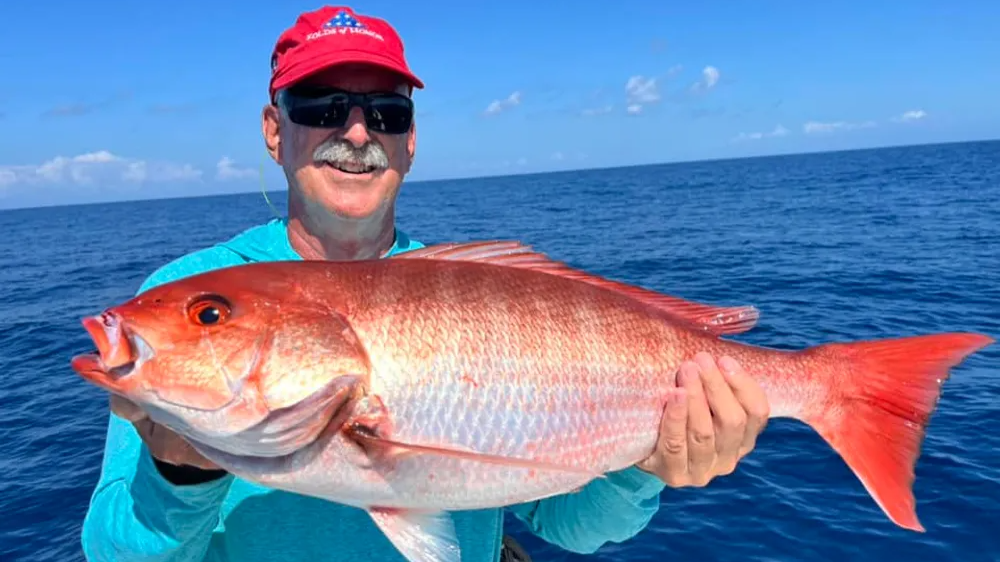
Meet your Guide Rich Adler
- Palm Beach Sportfishing - Tuna, Wahoo and more!


Summary
Captain Rich Adler of Tuna Wahoo Charters on Wednesday July delivered an exciting 4-hour offshore fishing charter from Riviera Beach City Marina. Using trolling, deep dropping, and kite fishing techniques, anglers targeted Little Tunny and Red Snapper in West Palm Beach's productive offshore waters. The family-friendly charter accommodates up to 5 guests and includes fishing licenses, with opportunities to land various species based on seasonal migrations. Summer conditions provide excellent visibility for spotting schools of Little Tunny, while the diverse bottom structure holds Red Snapper and other reef species. Captain Rich's local knowledge of Palm Beach fishing grounds ensures productive trips for both experienced anglers and newcomers to offshore fishing.
Fishing Charter with Rich Adler – Rates & Booking
Captain Rich Adler of Tuna Wahoo Charters on Wednesday July offers 4-hour offshore fishing adventures departing from Riviera Beach City Marina. The charter accommodates up to 5 guests and includes fishing licenses, with rates covering trolling, deep dropping, and kite fishing techniques. Bring cash for live bait costs and mate tip, while food and beverages are welcome aboard. Book your Family-Friendly Palm Beach Fishing Charter online or call for current availability and seasonal fishing conditions.
Highlights of Family-Friendly Palm Beach Fishing Charters
This offshore adventure targets Little Tunny, Red Snapper, Sailfish, Mahi Mahi, Wahoo, and Tuna based on seasonal migrations and local conditions. Captain Rich employs multiple fishing techniques including drift fishing, kite fishing, and bottom fishing to maximize your chances of success. The 4-hour duration provides ample time to explore productive offshore waters while maintaining a comfortable pace for families and newcomers to saltwater fishing.
Recent trips have produced steady action with Little Tunny measuring 15 inches and quality Red Snapper from the offshore reefs. Summer fishing in West Palm Beach offers excellent conditions with partly cloudy skies and calm seas, perfect for learning different techniques while enjoying the thrill of the catch.
Local Species Insights: Little Tunny
Little Tunny thrive in West Palm Beach's offshore waters during summer months, forming schools that migrate along the coast. These fast-swimming members of the tuna family respond well to trolling techniques and live bait presentations. Captain Rich targets them using kite fishing methods that keep baits active in the water column, mimicking the small fish and squid they prefer. The 15-inch specimen caught recently demonstrates the typical size range for local waters, with these aggressive feeders providing excellent sport on light tackle.
Plan Your Fishing Charter Day
Your offshore adventure begins at Riviera Beach City Marina with a fully equipped charter boat designed for comfort and safety. Captain Rich provides all necessary fishing equipment, tackle, and expertise to locate productive fishing grounds. The 4-hour trip allows time for multiple fishing techniques while staying within comfortable range of the marina. All fishing licenses are included in your charter rate, and the boat accommodates families with children who want to experience offshore fishing in a safe, supervised environment.
Fishing in West Palm Beach: Little Tunny
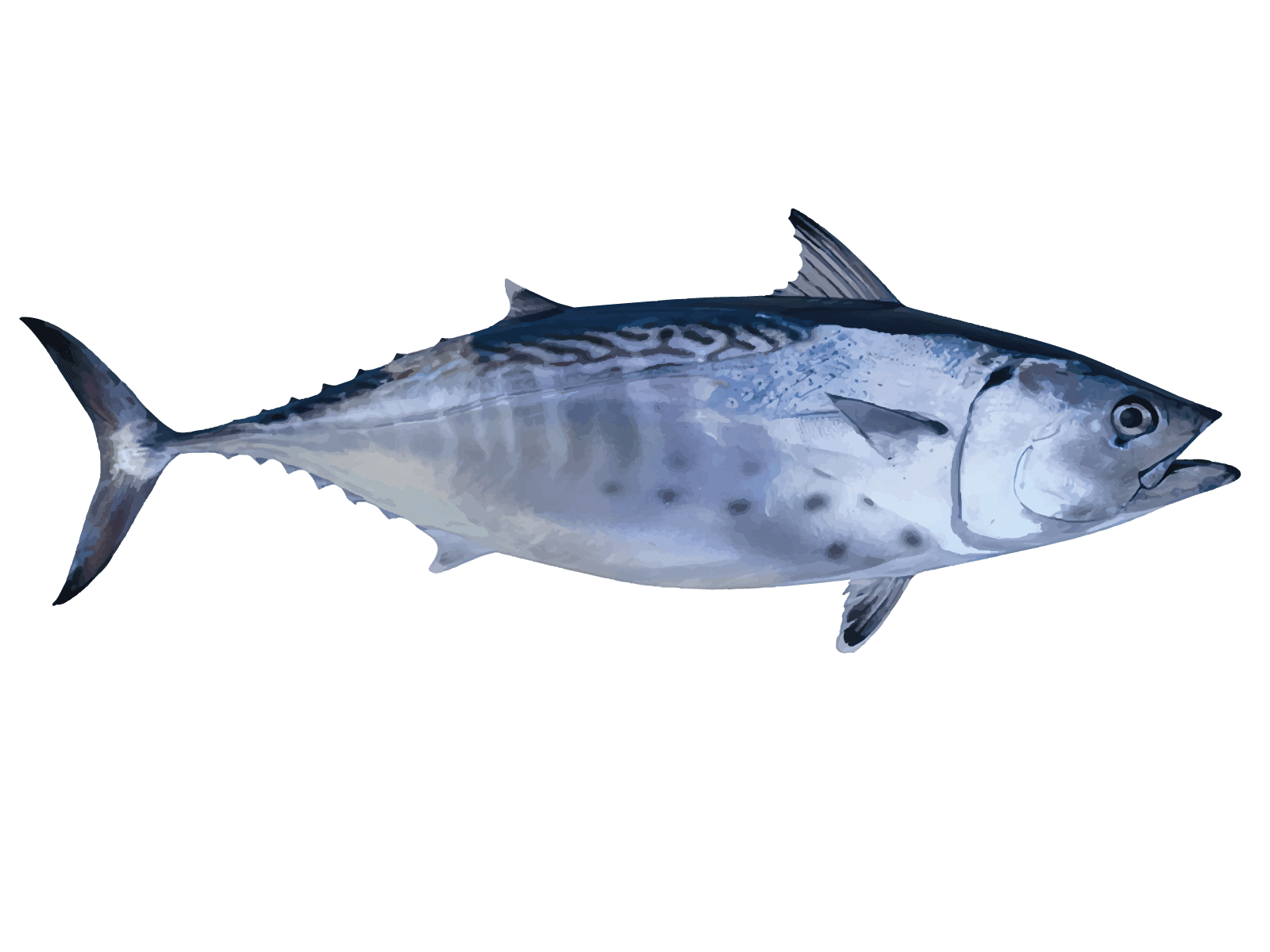
Little Tunny (Euthynnus alletteratus) belongs to the order Perciformes and family Scombridae, making it a true member of the tuna family. Also known as Bonita, False Albacore, or Little Tuna, this species is distinguished by its streamlined body, dark wavy lines on the back, and distinctive spots below the pectoral fins. In West Palm Beach waters this July, anglers commonly encounter schools of these fast-swimming predators in offshore areas.
Little Tunny Overview
Little Tunny represents one of the smaller tuna species, prized by anglers for their aggressive strikes and strong fighting ability. They serve as both target species and excellent bait for larger gamefish like marlin and sharks. Their schooling behavior and migratory patterns make them a reliable target for offshore fishing charters throughout the warmer months.
Little Tunny Habitat and Distribution
These fish inhabit onshore, nearshore, and offshore waters along the Atlantic coast. Around West Palm Beach, they frequent areas with temperature breaks, current edges, and baitfish concentrations. Their preference for warm water makes Florida's coast ideal habitat, particularly during spring and summer months when water temperatures remain consistently favorable.
Little Tunny Size and Weight
Adult Little Tunny typically measure between 24 and 48 inches in length, with weights ranging from 5 to 15 pounds. The 15-inch specimen caught recently represents a younger fish, as they grow rapidly in their first few years. Larger specimens approaching the maximum size range provide exceptional sport on appropriate tackle.
Little Tunny Diet and Behavior
Little Tunny feed primarily on small fish, squid, and crustaceans, using their speed and schooling behavior to overwhelm prey. They hunt actively during daylight hours, often driving baitfish to the surface where feeding frenzies attract seabirds. This surface activity helps anglers locate schools, particularly during early morning and late afternoon periods.
Little Tunny Spawning Season
Spawning occurs in offshore waters during warmer months, with peak activity typically from April through September. During this period, they form larger aggregations and become more aggressive, making them excellent targets for trolling and live bait fishing techniques.
Little Tunny Fishing Techniques
Successful techniques include high-speed trolling with small lures, live bait fishing with pilchards or sardines, and kite fishing to keep baits active near the surface. In July around West Palm Beach, anglers find them near temperature breaks and current edges where baitfish concentrate, particularly in 100-300 feet of water.
Little Tunny Is It Good to Eat?
Little Tunny provides excellent table fare when properly handled and prepared fresh. The meat has a rich, full flavor similar to other tuna species, with firm texture ideal for grilling, searing, or sashimi preparation. High in protein and omega-3 fatty acids, they offer significant nutritional value for health-conscious anglers.
Little Tunny Frequently Asked Questions
Q: What is the best bait for Little Tunny?
A: Live pilchards, sardines, and small ballyhoo work exceptionally well, along with small trolling lures like cedar plugs and feathers in blue and white colors.
Q: Where can I find Little Tunny near West Palm Beach?
A: Look for them along current edges, temperature breaks, and areas with diving birds in 100-300 feet of water, particularly near offshore reefs and wrecks.
Q: Is Little Tunny good to eat?
A: Yes, when handled properly and prepared fresh, Little Tunny offers excellent eating with firm texture and rich flavor perfect for grilling or sashimi.
Q: When is the best time to catch Little Tunny?
A: Summer months from May through September provide peak fishing, with early morning and late afternoon periods typically most productive for locating active schools.
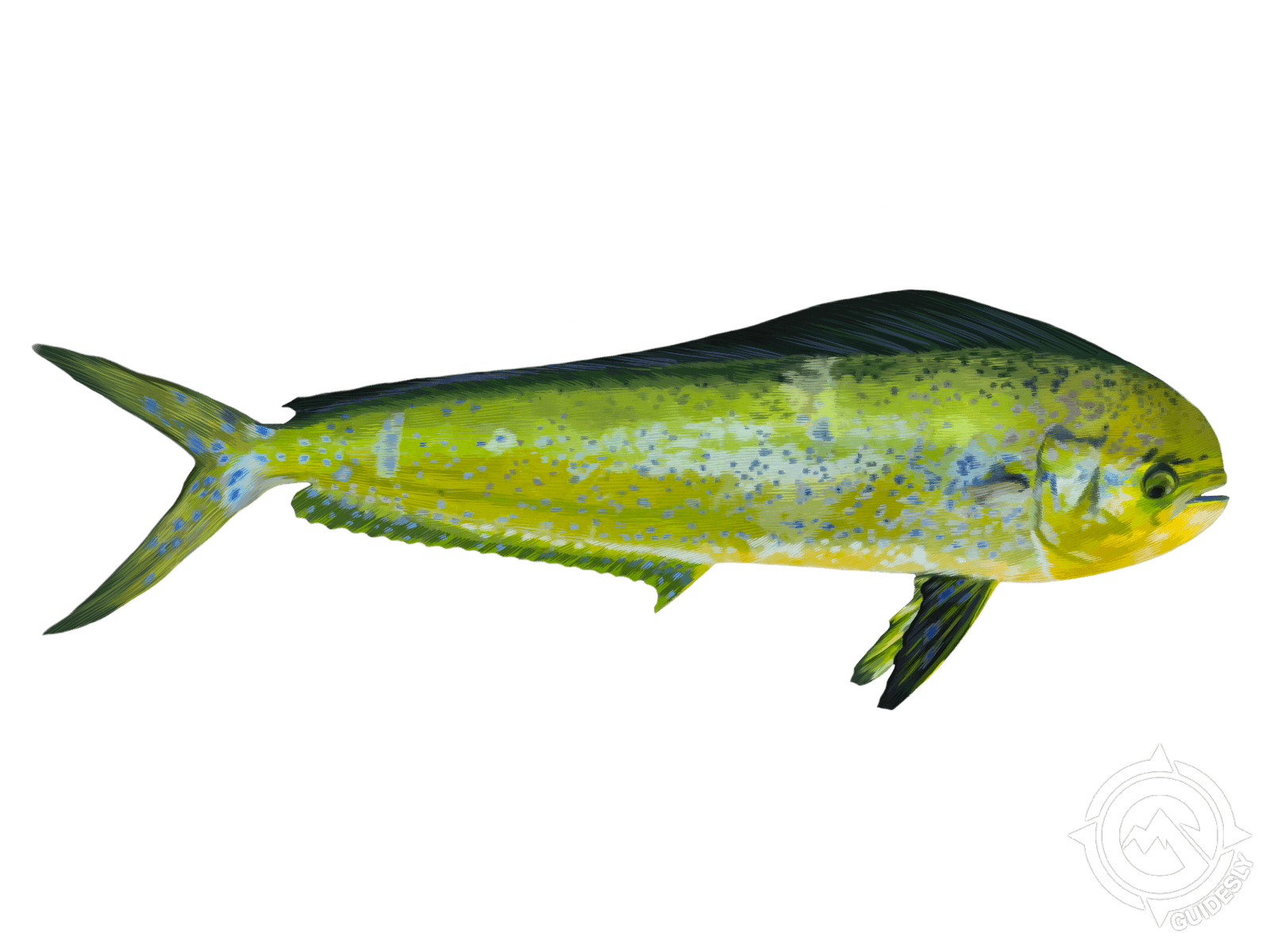
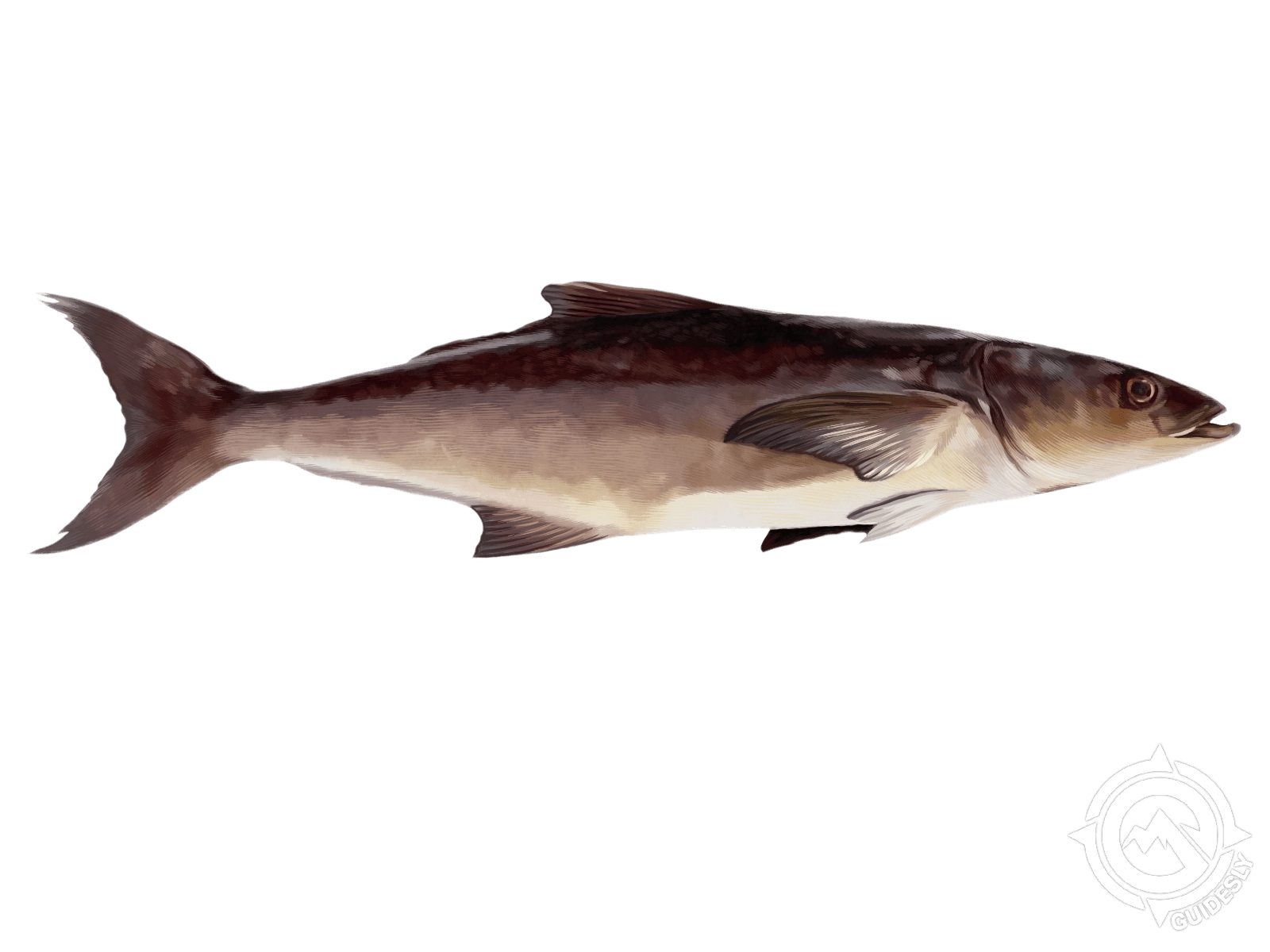
More species you can explore on this trip
Tuna Wahoo Charters Available Trips
Other customer memories from this trip
Captain Rich operates a well-maintained offshore fishing boat equipped for 4-hour adventures in West Palm Beach waters. The vessel accommodates up to 5 guests comfortably with ample deck space for trolling, kite fishing, and bottom fishing techniques. Safety equipment, fishing tackle, and electronics are included, while the boat's design handles offshore conditions with stability and comfort. Departing from Riviera Beach City Marina, the charter boat provides easy access to productive Little Tunny and Red Snapper grounds within a reasonable run from shore.