%2Ffit-in%2F250x250%2Fguide_websites%2F18339%2Fimages%2F1759917388272tempimage4pqxhr.png&w=1920&q=100)
Caught a Snook Inshore in West Palm Beach
Snook Fishing in West Palm Beach, FL
4.8

12 Reviews
- 5
 83%
83% - 417%
- 3
 0%
0% - 20%
- 10%
%2F%2Fusers%2F8136df2e-0db2-48af-b55e-d4df4d5a5de5%2Fimages%2Fbest-fishing-riviera-beach-city-11552.png&w=1920&q=75)
The Centropomus Undecimalis belongs to the order Perciformes and family Centropomidae. It typically measures between 16 and 50 inches in length, with a weight range from 12 to 29 lbs. Habitat: inshore, flats, backcountry. - Common Snook is one of the largest in the snook species family. - Has a sleek and slender body with a very visible and pronounced dark lateral line.
Guided Fishing Trip by Guide Rich Adler
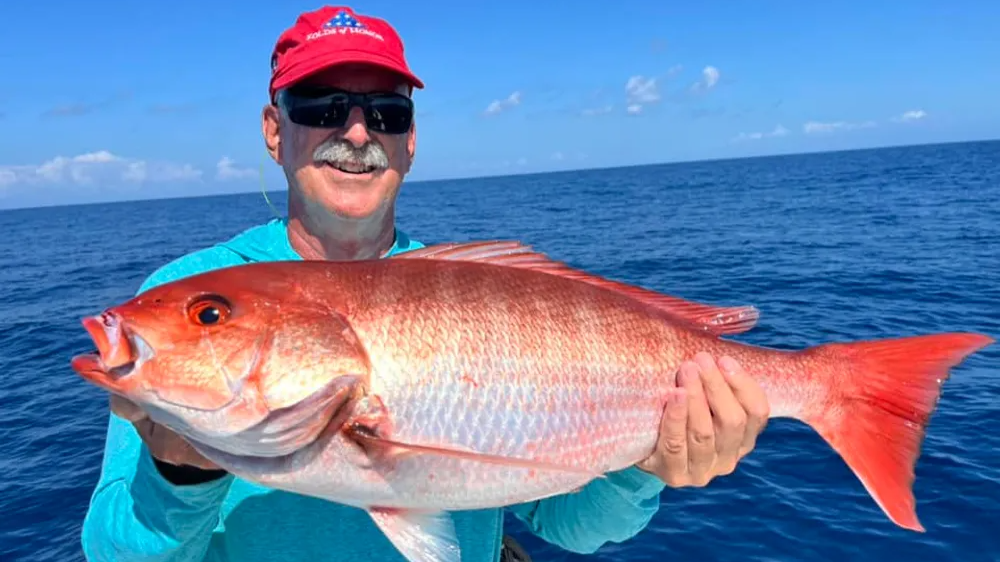
Meet your Guide Rich Adler
- Palm Beach Sportfishing - Tuna, Wahoo and more!


Summary
Captain Rich Adler of Tuna Wahoo Charters on Monday August offers 4-hour offshore fishing adventures from Riviera Beach City Marina. These family-friendly Palm Beach fishing charters target snook, sailfish, mahi mahi, wahoo, tuna, snapper, and grouper using drift fishing, kite fishing, and bottom fishing techniques. With fishing licenses included and capacity for up to 5 guests, these guided fishing trips provide access to some of the best offshore fishing grounds near West Palm Beach. Whether you're an experienced angler or new to the sport, Captain Rich's local knowledge and top-notch gear give you the best chance at landing trophy fish in Palm Beach waters. Bring cash for live bait costs and mate tip, while food and beverages are welcome aboard for your offshore fishing experience.
Fishing Charter with Rich Adler – Rates & Booking
Captain Rich Adler of Tuna Wahoo Charters on Monday August runs 4-hour offshore fishing adventures from Riviera Beach City Marina. These family-friendly charters accommodate up to 5 guests and include fishing licenses, with rates varying by season and group size. You'll try drift fishing, kite fishing, and bottom fishing techniques while targeting snook, sailfish, mahi mahi, wahoo, tuna, snapper, and grouper. Bring cash to cover live bait costs and mate tip, and feel free to bring your own food and beverages. Book online or call to check availability for your preferred date.
Highlights of Family-Friendly Palm Beach Fishing Charters
These 4-hour trips launch from Riviera Beach City Marina and head to productive offshore waters where pelagic species roam. Recent catches include 22-inch little tunny, lane snapper, blackfin tuna, and a 32-inch Atlantic sailfish. Captain Rich's local expertise puts you on fish whether conditions are partly cloudy or storms are brewing. The diverse fishing grounds off Palm Beach offer something for every angler, from bottom dwellers to high-flying billfish.
With various techniques employed throughout the trip, you'll experience trolling for tuna and wahoo, bottom fishing for snapper and grouper, and jigging for blackfin tuna. The chance at hooking a sailfish adds excitement to every outing, making these charters perfect for creating lasting fishing memories without taking up your entire day.
Local Species Insights: Snook
Snook thrive in the inshore waters, flats, and backcountry areas around West Palm Beach, making them a prized target for local anglers. These sleek predators with their distinctive dark lateral line prefer structure like mangroves, docks, and bridges where they ambush baitfish. During August, snook are active in the warmer waters and respond well to live bait presentations and artificial lures worked near cover. Their aggressive strikes and powerful runs make them one of the most exciting inshore species to target in South Florida waters.
Plan Your Fishing Charter Day
Your 4-hour adventure begins at Riviera Beach City Marina with Captain Rich providing all necessary fishing gear and tackle. The boat comfortably handles up to 5 anglers, making it ideal for families or small groups. Early morning departures take advantage of prime fishing conditions, and Captain Rich adjusts techniques based on current fish activity and weather patterns. Safety equipment is provided, and the captain's local knowledge ensures you fish the most productive spots for the day's conditions.
Fishing in West Palm Beach: White Grunt and Snook
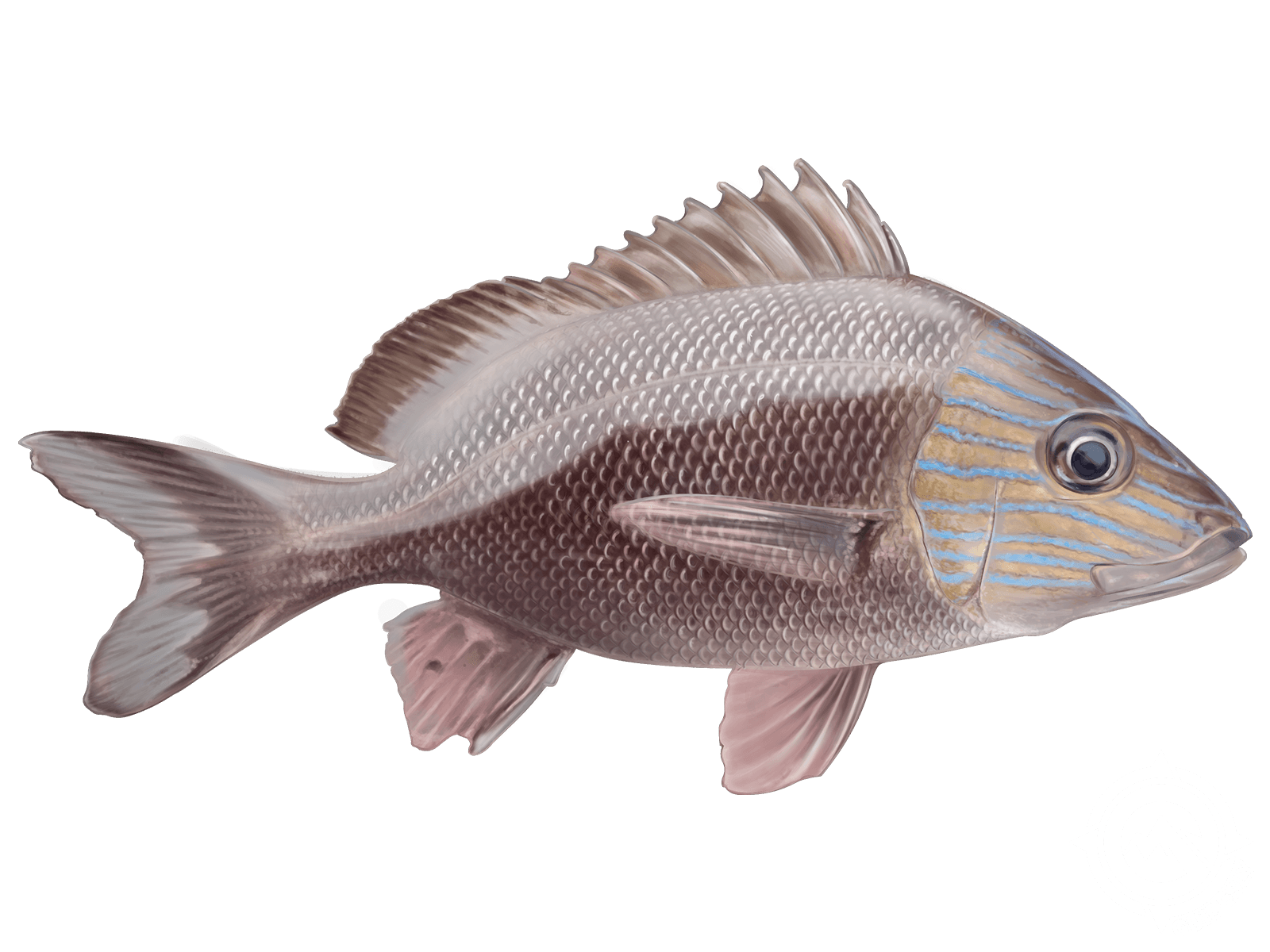
The Common Snook (Centropomus undecimalis) is one of the most sought-after gamefish in South Florida waters, belonging to the Perciformes order and Centropomidae family. This sleek predator features a distinctive dark lateral line running along its silvery-golden body, with a sloped forehead, protruding lower jaw, and high divided dorsal fins. Also known as Sergeant Fish or Thin Snook, these aggressive fighters are prized by anglers around West Palm Beach for their explosive strikes and powerful runs.
Snook Overview
Snook are premier inshore gamefish that combine the fighting ability of a tarpon with the cunning of a redfish. Their streamlined bodies and large mouths make them efficient predators, while their golden-yellow coloration with pale fins helps them blend into their preferred habitats. These fish are highly temperature-sensitive and thrive in the warm waters of South Florida year-round.
Snook Habitat and Distribution
Common Snook inhabit inshore waters, flats, and backcountry areas throughout South Florida, with West Palm Beach offering prime habitat. They prefer structure-rich environments like mangrove shorelines, docks, bridges, and inlet mouths where they can ambush prey. These fish move between saltwater and brackish areas, often traveling into freshwater canals and rivers during certain seasons.
Snook Size and Weight
Adult snook typically range from 16 to 50 inches in length, with weights between 12 and 29 pounds. Trophy specimens over 40 inches are considered exceptional catches, while slot-size fish between 28-33 inches provide excellent sport for most anglers.
Snook Diet and Behavior
Snook are opportunistic predators that feed on mullet, pilchards, shrimp, crabs, and smaller fish. They're most active during dawn and dusk, positioning themselves near structure to ambush passing baitfish. During August in West Palm Beach waters, they become more aggressive as baitfish schools concentrate around inlets and bridges.
Snook Spawning Season
Snook spawn during warmer months from May through September, with peak activity in summer. They prefer water temperatures above 75°F and gather near inlets and passes where eggs can drift into the ocean. This spawning behavior makes them more accessible to anglers fishing near inlet mouths during summer months.
Snook Fishing Techniques
Live bait fishing with pilchards, mullet, or shrimp produces consistent results when fished near structure. Artificial lures like topwater plugs, jigs, and soft plastics work well during active feeding periods. In August around West Palm Beach, anglers find success fishing dock lights at night and working mangrove edges during moving tides.
Snook Is It Good to Eat?
Snook are considered excellent table fare with firm, white meat and mild flavor similar to grouper. They're high in protein and low in mercury, making them a healthy choice. Popular cooking methods include grilling, blackening, or preparing as fish tacos, though many anglers practice catch and release to preserve this valuable fishery.
Snook Frequently Asked Questions
Q: What is the best bait for snook?
A: Live pilchards and mullet are top choices, along with live shrimp fished near structure. Fresh dead bait also works well when live bait isn't available.
Q: Where can I find snook near West Palm Beach?
A: Target mangrove shorelines, dock pilings, bridge structures, and inlet mouths. The Intracoastal Waterway and nearby canals also hold good populations.
Q: Is snook good to eat?
A: Yes, snook have excellent white meat with a mild flavor, but check current regulations as they may be catch and release only during certain seasons.
Q: When is the best time to catch snook?
A: Early morning and late evening during moving tides produce the best action, especially around structure and lighted areas at night.
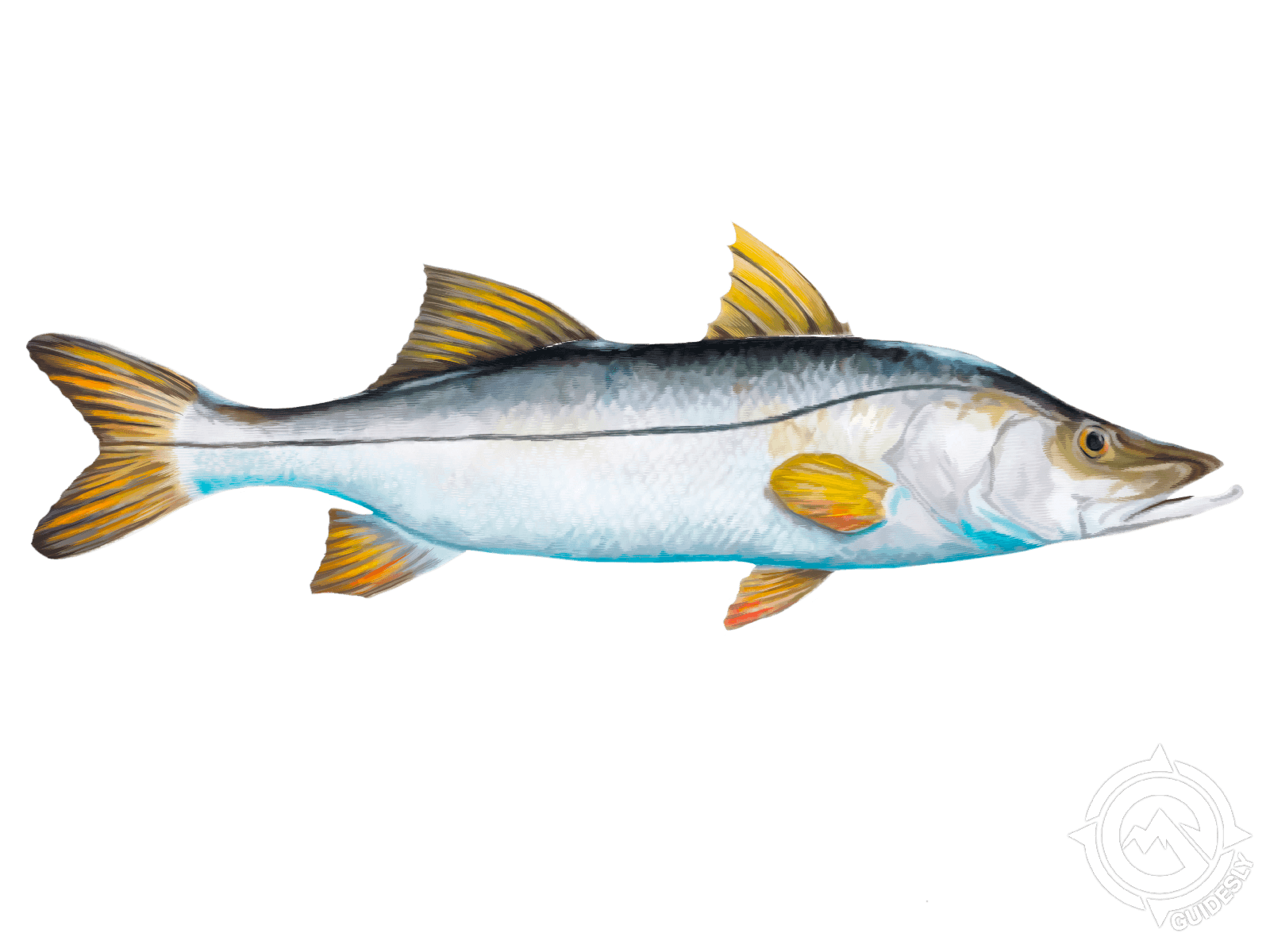
The White Grunt (Haemulon plumierii) is a versatile reef fish belonging to the Perciformes order and Haemulidae family. Known by numerous names including common grunt, flannelmouth grunt, black grunt, redmouth grunt, and Key West grunt, this adaptable species displays a silvery-blue to creamy yellow and bronze coloration with distinctive blue and yellow vertical stripes. White Grunt can change colors based on their environment, making them fascinating subjects for anglers exploring West Palm Beach waters during August.
White Grunt Overview
White Grunt are abundant reef fish that provide consistent action for bottom fishermen. Their ability to adapt to various habitats from offshore reefs to inshore structures makes them reliable targets throughout South Florida. These schooling fish are known for the grunting sounds they make when caught, created by grinding their pharyngeal teeth.
White Grunt Habitat and Distribution
These versatile fish inhabit offshore reefs, inshore structures, and backcountry areas throughout the Caribbean and western Atlantic. Around West Palm Beach, they're commonly found on artificial reefs, natural hard bottom, and nearshore structures where they feed on small invertebrates and crustaceans.
White Grunt Size and Weight
Adult White Grunt typically measure between 6 and 14 inches in length, with weights ranging from 2 to 6 pounds. While not large gamefish, they make up for size with numbers and provide excellent action for families and beginning anglers.
White Grunt Diet and Behavior
White Grunt feed primarily on small crustaceans, worms, and mollusks found in sandy and rocky bottom areas. They're most active during daylight hours and often form large schools around structure. These fish use their protruding mouths to probe crevices and sandy areas for food.
White Grunt Spawning Season
Spawning occurs during warmer months when water temperatures rise above 75°F. They gather in larger aggregations during spawning periods, making them more accessible to anglers. Peak spawning activity typically occurs from late spring through early fall in South Florida waters.
White Grunt Fishing Techniques
Bottom fishing with small hooks and light tackle produces the best results. Effective baits include cut shrimp, squid strips, and small pieces of fish. Fish near structure in 20-60 feet of water, and be prepared for multiple hookups when schools are located. In August around West Palm Beach, try fishing artificial reefs and nearshore hard bottom areas.
White Grunt Is It Good to Eat?
White Grunt are excellent table fare with firm, white meat and mild flavor. They're perfect for fish tacos, ceviche, or whole fish preparations. High in protein and low in contaminants, they make a healthy and sustainable seafood choice for families.
White Grunt Frequently Asked Questions
Q: What is the best bait for White Grunt?
A: Small pieces of cut shrimp, squid strips, and fish chunks work best on small hooks. Keep baits fresh and use light tackle for best results.
Q: Where can I find White Grunt near West Palm Beach?
A: Target artificial reefs, natural hard bottom areas, and nearshore structures in 20-60 feet of water. They often school around any type of bottom structure.
Q: Is White Grunt good to eat?
A: Yes, White Grunt have excellent white meat with mild flavor and firm texture, making them perfect for various cooking methods including frying, grilling, and ceviche.
Q: When is the best time to catch White Grunt?
A: Daytime bottom fishing produces the best results, especially during moving tides when they're actively feeding around structure.
More species you can explore on this trip
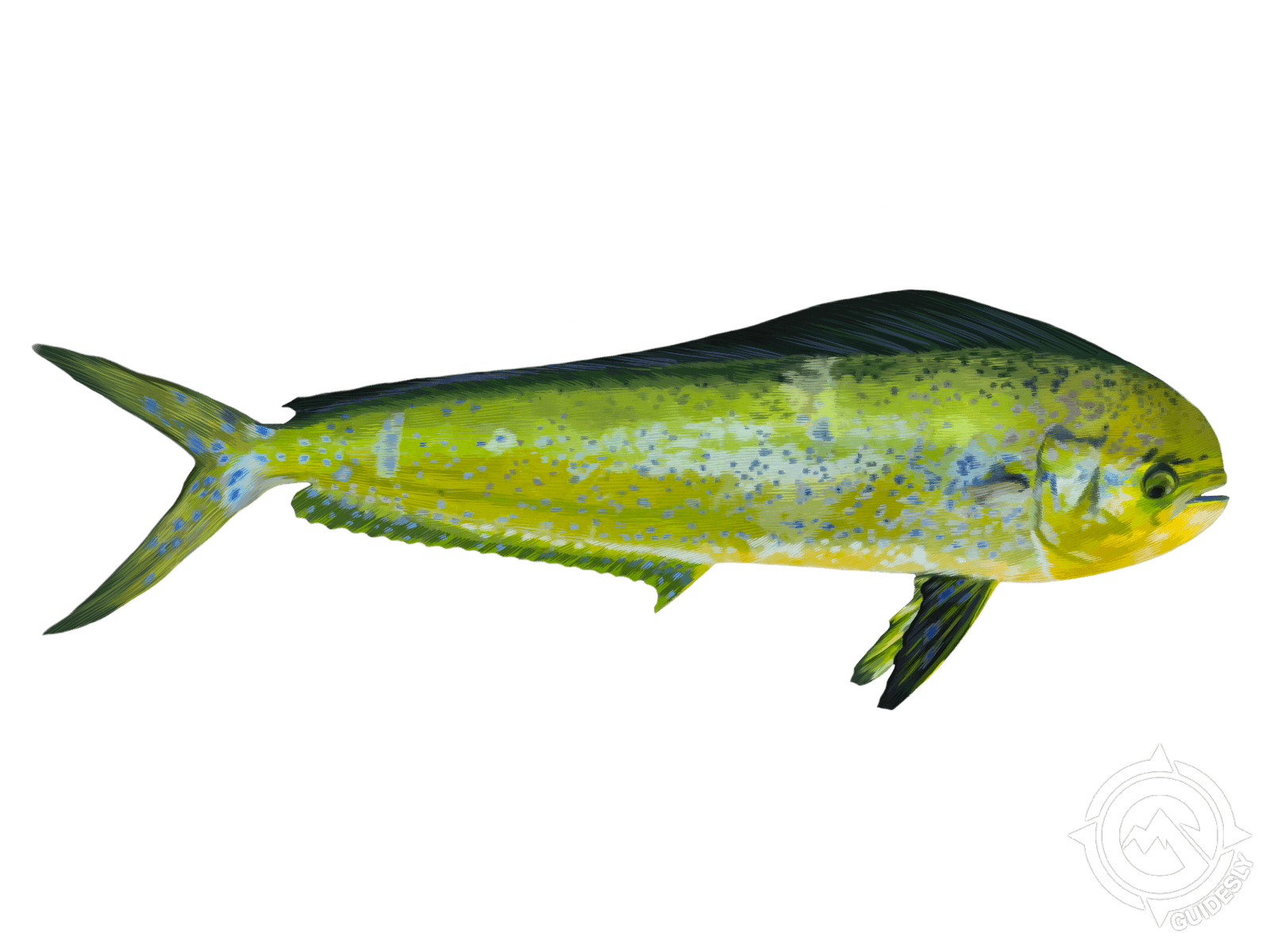
Tuna Wahoo Charters Available Trips
Other customer memories from this trip
Get ready for an unforgettable offshore adventure with your friends! This fishing charter is the perfect way to experience the stunning Palm Beach waters and try your hand at catching some incredible sea creatures. With room for up to 5 guests, you'll have plenty of space to spread out and enjoy the ride.