%2Ffit-in%2F250x250%2Fguide_websites%2F18339%2Fimages%2F1759917388272tempimage4pqxhr.png&w=1920&q=100)

Exploring Winter Solstice Fishing: Tips, Techniques & Insights
%2Ffit-in%2F1000x1000%2Ffilters%3Aformat(webp)%2Fusers%2F8136df2e-0db2-48af-b55e-d4df4d5a5de5%2Fprofile%2F1730310008984captainrich.webp&w=1920&q=75)
Published: November 17, 2025
1. Prime Ice Fishing Conditions During the Solstice
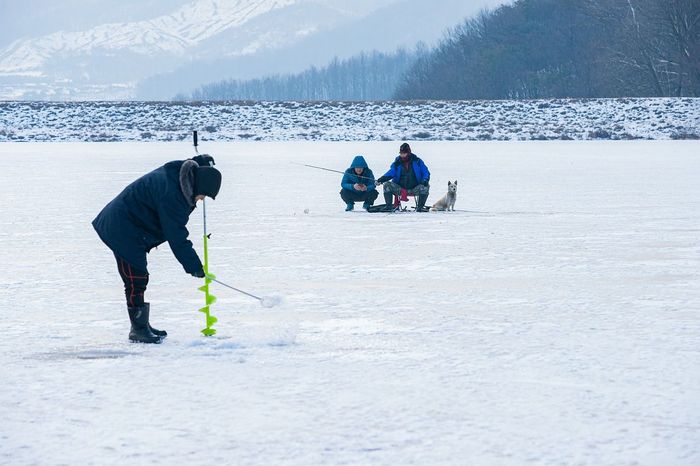
In northern states like Minnesota and North Dakota, ice fishing is a cultural staple during the winter solstice. By mid-December, lakes and rivers in these regions are often safely frozen, creating ideal conditions for drilling holes and fishing through the ice. Popular freshwater species such as walleye, perch, and northern pike are common targets during this time. As water temperatures stabilize under the ice, fish behavior becomes more predictable, making it easier to locate and catch them. Using tools like ice fishing sonar or fish finders can significantly improve your success in identifying the best spots.
2. How Water Temperature Impacts Fish Behavior
Changes in water temperature during the winter solstice dramatically affect fish activity. Cold water slows fish metabolism, causing them to conserve energy and feed less frequently. Many species gravitate toward deeper, more temperature-stable areas of lakes and rivers. To improve your chances, use smaller lures—such as jigs or wax worms on ultralight tackle—and employ slower, subtler movements. These adjustments match the slower feeding patterns of fish during winter.
3. Shorter Days and Their Impact on Fishing
The solstice’s reduced daylight hours create unique opportunities for targeting species like walleye and crappie. Walleye, with their light-sensitive eyes, are more active during low-light periods such as dawn and dusk. Similarly, crappie are well-adapted to hunting in low light, making them excellent targets after dark. Cooler water temperatures and limited sunlight might also require you to fish more slowly or "deadstick" baits—letting them sit idle to attract fish.