%2Ffit-in%2F250x250%2Fguide_websites%2F18339%2Fimages%2F1759917388272tempimage4pqxhr.png&w=1920&q=100)

A Beginner's Guide to Bow Fishing: Everything You Need to Know
%2Ffit-in%2F1000x1000%2Ffilters%3Aformat(webp)%2Fusers%2F8136df2e-0db2-48af-b55e-d4df4d5a5de5%2Fprofile%2F1730310008984captainrich.webp&w=1920&q=75)
Published: November 17, 2025
How To Start Bow Fishing
Now that you have a solid understanding of the basic equipment needed for bow fishing, it's time to delve into the essential steps to get started in this exciting sport. In this section, we'll explore the importance of researching local regulations, understanding target fish species and their habitats, and honing your shooting technique.
Research Local Regulations
Before you head out to the waters with your bow fishing gear, it's crucial to familiarize yourself with the local fishing regulations and ensure that bow fishing is legal in your area. Fishing regulations vary from region to region, and some areas may have specific rules and restrictions regarding bow fishing. Check with your local wildlife or fisheries department to obtain the necessary information and permits required to engage in bow fishing legally and responsibly.
Fish Species and Locations
- Fish Species: Bow fishing primarily targets rough fish species that are considered invasive or undesirable in many areas. Common species include carp, gar, and suckers. These fish have resilient populations and are often responsible for disrupting native ecosystems. By targeting these species, bow fishers can help maintain ecological balance and support the preservation of native fish populations.
- Habitat and Locations: Understanding where to find your target fish species is essential for a successful bow fishing expedition. Research the preferred habitats of the fish species you intend to target, such as rivers, lakes, or other bodies of water. Carp, for example, tend to congregate in shallow areas, while gar can often be found in the backwaters or near vegetation. Local fishing forums and experienced bow fishers can provide valuable insights into the best locations for specific species in your area.
By familiarizing yourself with the fish species and their habitats, you'll increase your chances of locating and targeting them effectively, maximizing the excitement and productivity of your bow fishing outings.
Technique and Shooting
- Spotting Fish: Spotting fish is a crucial skill in bow fishing. Look for ripples, shadows, or movement in the water, as these can indicate the presence of fish. Wearing polarized sunglasses will significantly enhance your ability to see through the water's surface, reducing glare and improving visibility.
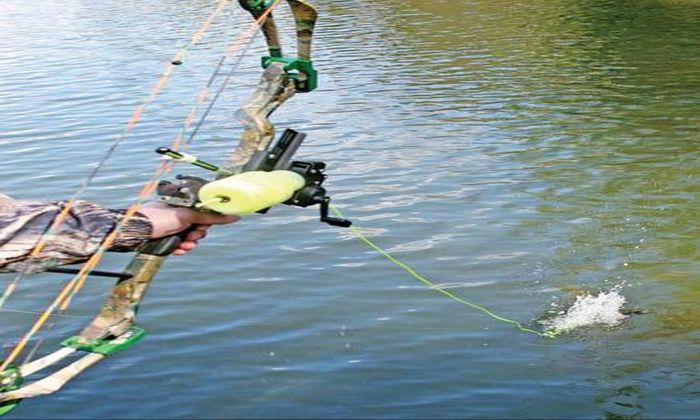
- Aiming and Shooting: Bow fishing presents unique challenges in aiming and shooting due to refraction—the bending of light as it passes from water to air. To compensate for this, aim slightly lower than the apparent position of the fish. Practice estimating the refraction angle and adjusting your aim accordingly. Be prepared for fish to move swiftly, so take quick shots when you have a clear line of sight.
- Retrieval: Once you've successfully hit a fish, be prepared for a battle. Fish can be powerful and put up a fight. Utilize your reel to retrieve the fish and the arrow. Remain patient and maintain control throughout the retrieval process to prevent the fish from snapping the line or causing damage to your gear.
By honing your spotting, aiming, and shooting skills, you'll become a more proficient bow fisher, increasing your chances of successful shots and thrilling catches.
Bow Fishing Safety
When engaging in any outdoor activity, prioritizing safety is paramount. Bow fishing is no exception, as it involves handling equipment capable of inflicting serious injury. In this section, we'll discuss important safety precautions and personal safety measures to ensure a safe and enjoyable bow fishing experience.
Safety Precautions
- Practice in a Safe Environment: Find a suitable location away from people, property, and other potential hazards to practice your bow fishing skills. Choose open areas where you have a clear line of sight and ample space for shooting safely.
- Follow Local Laws and Regulations: Always adhere to local fishing and bow fishing regulations. Familiarize yourself with any specific rules or restrictions in your area, including designated bow fishing zones, bag limits, and licensing requirements.
- Know Your Surroundings: Be aware of your surroundings and identify any potential risks or obstacles that may interfere with your bow fishing activities. Take note of other anglers, boaters, swimmers, or wildlife in the vicinity and exercise caution to avoid accidents.
Personal Safety
- Protective Gear: Protect yourself by wearing appropriate gear. Consider the following:
- Gloves: Bow fishing can be physically demanding, and gloves can provide better grip and protect your hands from injuries.
- Eye Protection: Wear safety glasses or goggles to shield your eyes from potential hazards like flying debris or accidental arrow release.
- Practice Situational Awareness: Always be aware of your surroundings and the actions of those around you. Avoid shooting when others are in close proximity, and ensure that everyone in your group understands proper safety protocols.
- Responsible Shooting Angles: Practice responsible shooting angles by ensuring that your shots are directed away from people, structures, and boats. Never shoot upward at an angle that may cause an arrow to travel beyond your intended target.
- Proper Handling and Storage: When not in use, securely store your bow and arrows in a designated case or holder. Keep them out of reach of children and ensure that they are inaccessible to unauthorized individuals.
Remember, safety should be your top priority throughout your bow fishing journey. By following these precautions and taking personal safety measures, you can enjoy the sport responsibly while minimizing the risk of accidents or injuries.
Tips for Beginner Bow Fishers
As a beginner in the world of bow fishing, it's natural to seek guidance and tips to enhance your skills and overall experience. In this section, we'll provide you with valuable tips to help you grow as a bow fisher and make the most of your bow fishing adventures.\
Practice and Skill Development
- Regular Practice: Dedicate time to regular practice sessions to improve your shooting skills. Set up targets at various distances and angles to simulate different bow fishing scenarios. Practice estimating refraction angles and adjusting your aim accordingly.
- Work on Accuracy: Focus on honing your accuracy by shooting at smaller targets or specific areas on larger targets. This will help you develop the precision needed to hit fish effectively.
- Consider Bow Fishing-Specific Training: Participate in bow fishing clinics or workshops, if available in your area, to receive guidance from experienced bow fishers. These sessions can provide valuable insights and hands-on training to refine your technique.
Learning from Experienced Bow Fishers
- Join Bow Fishing Communities: Seek out local bow fishing clubs or online communities where you can connect with experienced bow fishers. Engage in discussions, ask questions, and learn from their collective knowledge and experiences.
- Learn from Others: When you're out bow fishing, observe experienced bow fishers in action. Pay attention to their techniques, strategies, and equipment choices. Don't hesitate to strike up conversations and seek their advice.
Stay Attentive to the Environment
- Observe Water Conditions: Pay attention to water clarity, temperature, and current. These factors can influence fish behavior and their visibility, ultimately affecting your bow fishing success.
- Explore Different Locations: Don't limit yourself to a single fishing spot. Explore various bodies of water, such as rivers, lakes, or ponds, to expand your bow fishing opportunities and discover new fishing grounds.
Be Patient and Persistent
- Practice Patience: Bow fishing requires patience. Fish may not always be readily visible, and it can take time to locate them. Stay focused and maintain a positive mindset, even during periods of slower action.
- Embrace Challenges: Bow fishing can present challenges, including missed shots and lost fish. Embrace these challenges as learning opportunities and use them to improve your skills and adaptability.
Remember, bow fishing is as much about the journey as it is about the catch. Embrace the learning process, enjoy the thrill of the pursuit, and appreciate the natural beauty of your surroundings.