%2Ffit-in%2F250x250%2Fguide_websites%2F18339%2Fimages%2F1759917388272tempimage4pqxhr.png&w=1920&q=100)
Mutton Snapper Fishing Off West Palm Beach
Mutton Snapper Offshore in West Palm Beach
4.8

12 Reviews
- 5
 83%
83% - 417%
- 3
 0%
0% - 20%
- 10%
%2F%2Fusers%2F8136df2e-0db2-48af-b55e-d4df4d5a5de5%2Fimages%2Fmutton-snapper-fishing-riviera-beach-10510.png&w=1920&q=75)
The Lutjanus Analis belongs to the order Perciformes and family Lutjanidae. It typically measures up to 20 inches in length, with a weight range from 5 to 15 lbs. Habitat: onshore, reef, nearshore, backcountry. - Mutton snappers have distinctive olive coloration with blue facial markings. - They feature pointed anal and dorsal fin edges with rounded tail fins. - Small black spots appear on both sides of the body.
Guided Fishing Trip by Guide Rich Adler
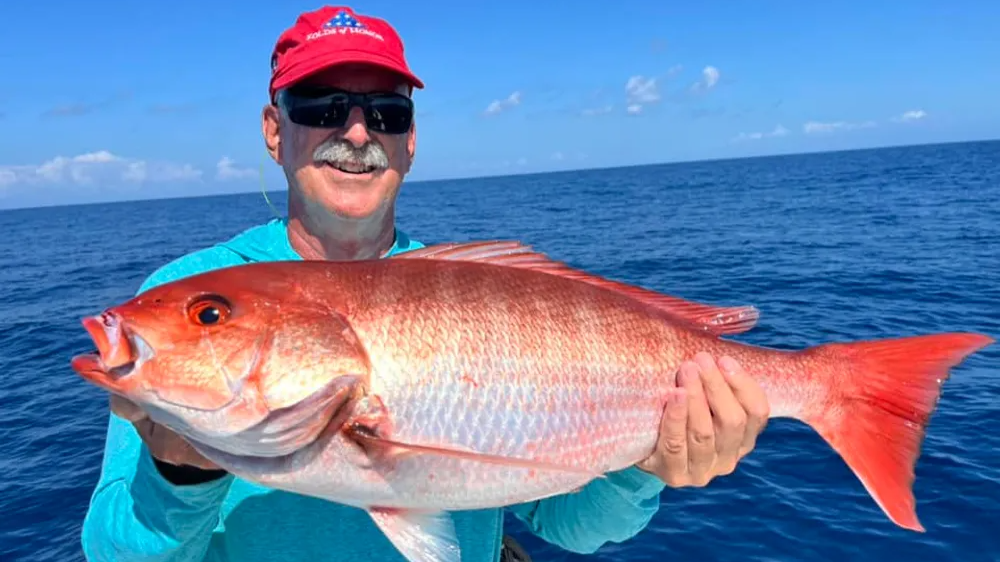
Meet your Guide Rich Adler
- Palm Beach Sportfishing - Tuna, Wahoo and more!


Summary
Captain Rich Adler of Tuna Wahoo Charters on Saturday August delivered an outstanding offshore fishing experience in West Palm Beach. This 4-hour guided fishing trip showcased the diverse opportunities available in these productive waters, from trolling techniques to deep dropping and kite fishing. The offshore grounds near Riviera Beach City Marina continue to produce quality catches including Mutton Snapper and Atlantic Bonito. Whether you're targeting reef species or pelagic gamefish, these waters offer excellent fishing for anglers of all skill levels. Family-friendly charters provide the perfect introduction to deep sea fishing, with experienced guides ensuring both safety and success on every trip. The combination of varied techniques and rich fishing grounds makes West Palm Beach a premier destination for memorable offshore adventures.
Fishing Charter with Rich Adler – Rates & Booking
Captain Rich Adler of Tuna Wahoo Charters on Saturday August offers comprehensive 4-hour offshore fishing adventures departing from Riviera Beach City Marina. These family-friendly charters accommodate up to 5 guests and include all necessary fishing licenses, with rates covering tackle, bait, and expert guidance. Trips focus on diverse offshore techniques including trolling, deep dropping, and kite fishing to target seasonal species like Sailfish, Mahi Mahi, Wahoo, Tuna, Snapper, and Grouper. Guests should bring cash for live bait costs and mate gratuity, while food and beverages are welcome aboard. Book your West Palm Beach fishing charter online or call for current availability and seasonal fishing conditions.
Highlights of Family-Friendly Palm Beach Fishing Charters
These offshore adventures showcase the exceptional fishing diversity found in West Palm Beach waters. Recent trips have produced quality catches including 16-inch Little Tunny and impressive Mutton Snappers, demonstrating the consistent action available year-round. The charter employs multiple fishing techniques to maximize success, from surface kite fishing to deep water bottom fishing, ensuring every angler experiences the thrill of hooking quality fish.
The offshore grounds near Riviera Beach offer perfect conditions for both experienced anglers and families new to deep sea fishing. Captain Rich's local expertise and varied approach guarantee an educational and exciting experience, with each technique revealing different aspects of these productive waters.
Local Species Insights: Mutton Snapper
Mutton Snapper thrive in the reef and nearshore environments around West Palm Beach, making them a prized target for offshore charters. These olive-colored snappers with distinctive blue facial markings prefer structured bottom areas where they feed on crabs, shrimp, and smaller fish. During August, they're commonly found around reefs and wrecks in 40-80 feet of water, responding well to both live bait and cut bait presentations. Their fighting ability and excellent table fare make them a favorite among local anglers, with the offshore waters consistently producing fish in the 5-15 pound range.
Plan Your Fishing Charter Day
Your 4-hour offshore adventure begins at Riviera Beach City Marina with a thorough safety briefing and equipment overview. The charter boat is equipped with quality tackle, electronics, and safety gear to handle up to 5 guests comfortably. Captain Rich provides instruction on various fishing techniques throughout the trip, ensuring everyone from beginners to experienced anglers can participate successfully. All fishing licenses are included in your charter rate, and the boat offers shade and seating for comfort during the offshore experience.
Fishing in West Palm Beach: Mutton Snapper and Atlantic Bonito
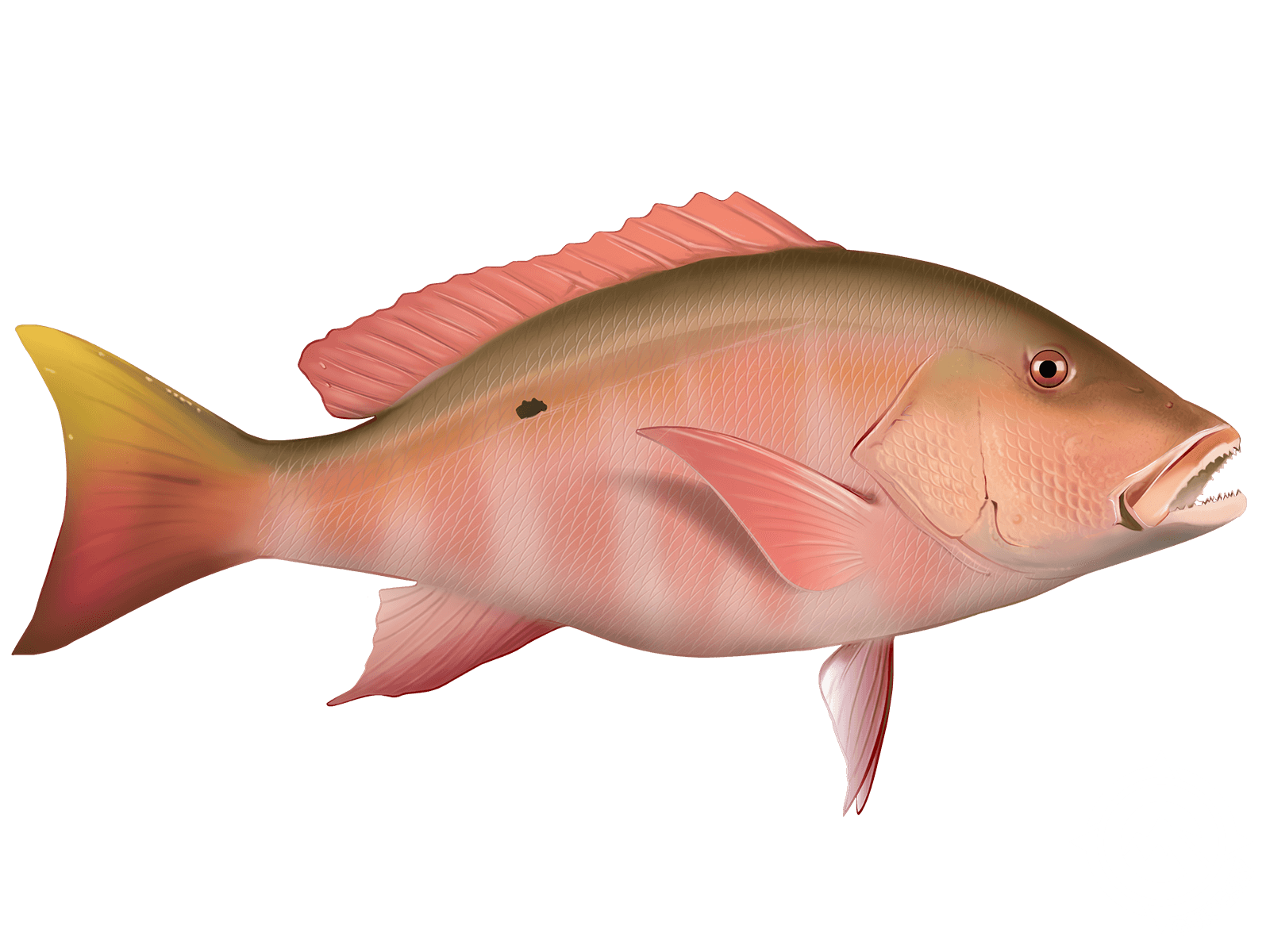
The Mutton Snapper (Lutjanus analis) is a prized reef fish belonging to the Perciformes order and Lutjanidae family. Distinguished by its olive coloration that transitions from dark to light tones and characteristic blue lines below and behind the eyes, this species is easily recognizable to West Palm Beach anglers. In August waters around the area, these snappers frequent structured bottom areas where they provide consistent action for offshore charters.
Mutton Snapper Overview
Mutton Snappers are highly valued by anglers for their fighting ability and excellent table fare. They inhabit reef systems, nearshore waters, and backcountry areas throughout South Florida, making them accessible to various fishing techniques. Their robust build and aggressive feeding behavior make them exciting targets for both novice and experienced anglers.
Mutton Snapper Habitat and Distribution
These snappers prefer structured environments including coral reefs, rocky outcroppings, and artificial reefs in depths ranging from shallow backcountry waters to offshore reefs. Around West Palm Beach, they're commonly found in 20-80 feet of water where they utilize ledges, holes, and coral formations for shelter and feeding opportunities.
Mutton Snapper Size and Weight
Adult Mutton Snappers typically reach lengths up to 20 inches and weights between 5-15 pounds, though larger specimens are occasionally caught. Their substantial build and broad shoulders give them impressive fighting power relative to their size, making every hookup an exciting experience.
Mutton Snapper Diet and Behavior
These opportunistic feeders consume crabs, shrimp, small fish, and various invertebrates. They're most active during dawn and dusk periods, though they can be caught throughout the day around structure. Their feeding behavior makes them responsive to both live and cut baits presented near the bottom.
Mutton Snapper Spawning Season
Spawning occurs during warmer months when water temperatures rise, typically from late spring through early fall. During this period, they may form aggregations around specific reef areas, making them more predictable targets for knowledgeable local guides.
Mutton Snapper Fishing Techniques
Effective techniques include bottom fishing with live or cut bait, particularly pilchards, ballyhoo, or squid. Heavy tackle is recommended due to their tendency to dive toward structure when hooked. In August around West Palm Beach, anglers find success using circle hooks and fishing near reef edges and drop-offs where these snappers patrol for prey.
Mutton Snapper Is It Good to Eat?
Mutton Snapper ranks among the finest eating fish in South Florida waters. The firm, white meat has a mild, sweet flavor that works well with various cooking methods including grilling, baking, or frying. High in protein and low in mercury, they provide excellent nutritional value for families.
Mutton Snapper Frequently Asked Questions
Q: What is the best bait for Mutton Snapper?
A: Live pilchards, ballyhoo, and squid are top choices, though cut bait and shrimp also produce excellent results when fished near structure.
Q: Where can I find Mutton Snapper near West Palm Beach?
A: They frequent reef systems, artificial reefs, and rocky bottom areas in 20-80 feet of water, particularly around ledges and drop-offs offshore.
Q: Is Mutton Snapper good to eat?
A: Absolutely - they're considered one of the best eating snappers with firm, white meat and mild flavor perfect for various cooking preparations.
Q: When is the best time to catch Mutton Snapper?
A: Dawn and dusk periods are most productive, though they can be caught throughout the day around structured bottom areas during warmer months.
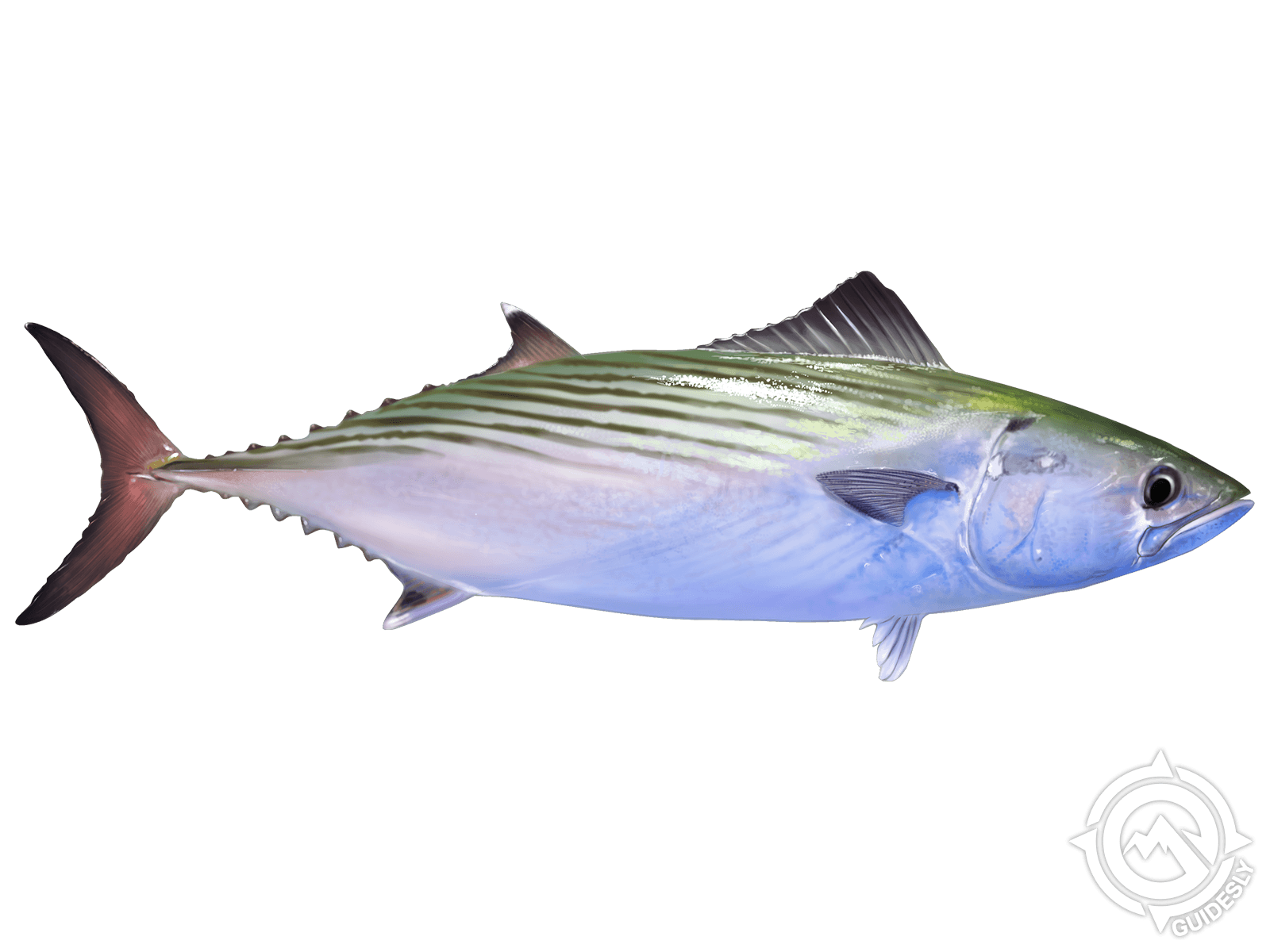
The Atlantic Bonito (Sarda sarda) is a powerful pelagic fish belonging to the Perciformes order and Scombridae family. This mackerel-like species displays striking silver coloration with blue-green dorsal areas and distinctive black stripes running along its streamlined body. In West Palm Beach waters during August, these fast-swimming predators provide exciting action for offshore fishing charters targeting pelagic species.
Atlantic Bonito Overview
Atlantic Bonito are prized by anglers for their incredible speed and fighting ability, capable of reaching speeds up to 40 mph. Their tuna-like appearance but more compressed body shape makes them distinctive among the mackerel family. They're excellent targets for trolling and live bait fishing in nearshore and offshore waters.
Atlantic Bonito Habitat and Distribution
These pelagic fish prefer nearshore and reef environments where they hunt in schools for baitfish. Around West Palm Beach, they're commonly encountered in waters from 30-200 feet deep, often following temperature breaks and current edges where prey concentrates.
Atlantic Bonito Size and Weight
Atlantic Bonito typically range from 8-36 inches in length, with most catches weighing between 10-12 pounds. Their streamlined build and narrow caudal peduncle contribute to their exceptional swimming speed and agility when hooked.
Atlantic Bonito Diet and Behavior
These aggressive predators feed primarily on small schooling fish, squid, and shrimp. They hunt in fast-moving schools, often creating surface disturbances as they chase baitfish. Their feeding frenzies make them responsive to both trolled lures and live bait presentations.
Atlantic Bonito Spawning Season
Spawning occurs in warmer offshore waters during spring and summer months when water temperatures are optimal. During this period, they may form larger aggregations, making them more accessible to anglers fishing appropriate depths and locations.
Atlantic Bonito Fishing Techniques
Effective methods include high-speed trolling with small lures, spoons, or feathers, and live bait fishing with pilchards or sardines. Their speed requires sharp hooks and strong tackle. In August around West Palm Beach, anglers find success trolling along temperature breaks and current edges where these fish actively feed.
Atlantic Bonito Is It Good to Eat?
Atlantic Bonito has dark, rich meat with a strong flavor that's best when prepared fresh. The meat is high in omega-3 fatty acids and protein, though it requires proper handling and preparation. Many anglers prefer smoking or grilling to complement the fish's robust flavor profile.
Atlantic Bonito Frequently Asked Questions
Q: What is the best bait for Atlantic Bonito?
A: Small trolling lures, spoons, feathers, and live pilchards or sardines work best when presented at higher speeds to match their aggressive feeding style.
Q: Where can I find Atlantic Bonito near West Palm Beach?
A: They frequent nearshore and offshore waters from 30-200 feet deep, particularly along temperature breaks, current edges, and areas with active baitfish schools.
Q: Is Atlantic Bonito good to eat?
A: The dark, rich meat has a strong flavor that's excellent when properly prepared, particularly when smoked or grilled fresh from the water.
Q: When is the best time to catch Atlantic Bonito?
A: They're most active during warmer months and can be caught throughout the day, with peak activity often occurring when they're actively feeding on surface baitfish.
More species you can explore on this trip
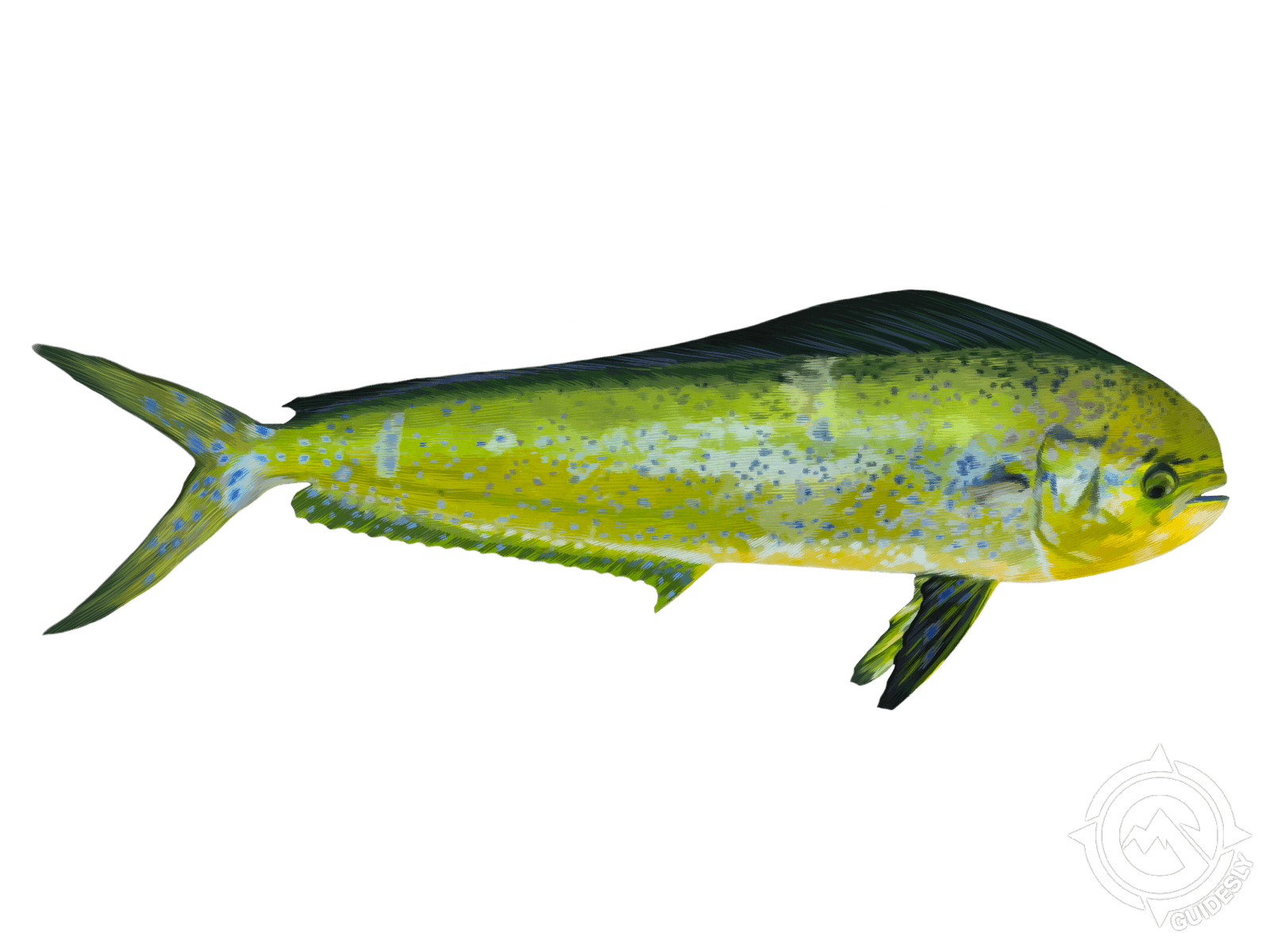
Tuna Wahoo Charters Available Trips
Other customer memories from this trip
Get ready for an unforgettable offshore adventure with your friends! This fishing charter is the perfect way to experience the stunning Palm Beach waters and try your hand at catching some incredible sea creatures. With room for up to 5 guests, you'll have plenty of space to spread out and enjoy the ride.