%2Ffit-in%2F250x250%2Fguide_websites%2F18339%2Fimages%2F1759917388272tempimage4pqxhr.png&w=1920&q=100)
West Palm Beach Mutton Snapper Fishing Trip
Mutton Snapper Offshore in West Palm Beach
4.8

12 Reviews
- 5
 83%
83% - 417%
- 3
 0%
0% - 20%
- 10%
%2F%2Fusers%2F8136df2e-0db2-48af-b55e-d4df4d5a5de5%2Fimages%2Fmutton-snapper-catch-west-palm-10519.png&w=1920&q=75)
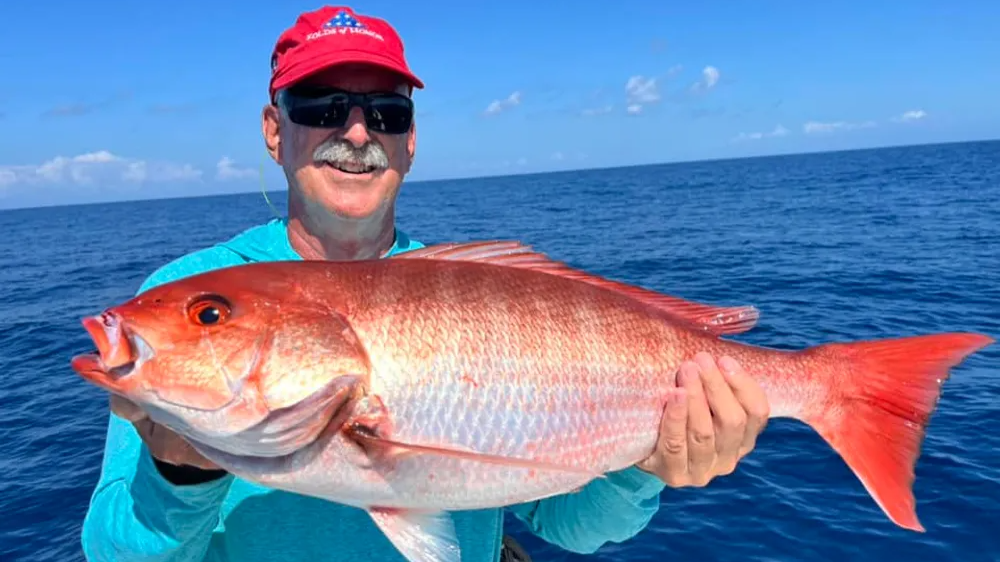
The Lutjanus Analis belongs to the order Perciformes and family Lutjanidae. It typically measures up to 20 inches in length, with a weight range from 5 to 15 lbs. Habitat: onshore, reef, nearshore, backcountry. - Mutton snappers have distinctive blue lines below and behind their eyes. - Small black spots appear on both sides of the fish. - Olive coloration progresses from dark to light from top to bottom.
Guided Fishing Trip by Guide Rich Adler
Meet your Guide Rich Adler
- Palm Beach Sportfishing - Tuna, Wahoo and more!


Summary
Captain Rich Adler of Tuna Wahoo Charters on Saturday July delivered an outstanding offshore fishing experience departing from Riviera Beach City Marina. This 4-hour guided fishing trip showcased West Palm Beach's productive summer waters with multiple techniques including trolling, deep dropping, and kite fishing. The charter targeted prime offshore grounds where anglers landed quality Mutton Snapper and Atlantic Bonito using varied approaches tailored to current conditions. Family-friendly Palm Beach fishing charters like this offer excellent opportunities for both seasoned anglers and newcomers to experience the thrill of offshore fishing in South Florida's renowned waters. Book online to secure your spot on these productive summer fishing adventures.
Fishing Charter with Captain Rich – Rates & Booking
Captain Rich Adler of Tuna Wahoo Charters on Saturday July offers comprehensive 4-hour offshore fishing adventures departing from Riviera Beach City Marina. These family-friendly Palm Beach fishing charters accommodate up to 5 guests and include all necessary fishing licenses, with rates covering professional guide services and quality tackle. Bring cash for live bait costs and mate gratuity, while food and beverages are welcome aboard. Book your West Palm Beach offshore fishing experience online or call to check availability for prime summer fishing dates.
Highlights of Family-Friendly Palm Beach Fishing Charters
This offshore fishing adventure showcases West Palm Beach's diverse fishing opportunities through multiple proven techniques. Trolling produces exciting hookups with fast-moving pelagic species, while deep dropping targets bottom dwellers in productive offshore structure. Kite fishing adds an exciting dimension, allowing live baits to swim naturally at the surface. The trip covers prime fishing grounds accessible from Riviera Beach City Marina, offering excellent chances for both trophy catches and consistent action throughout the 4-hour excursion.
Local Species Insights: Mutton Snapper
Mutton Snapper represent one of South Florida's most prized reef fish, combining excellent table fare with spirited fights that challenge anglers of all skill levels. These olive-colored snappers inhabit nearshore reefs, offshore structure, and backcountry flats around West Palm Beach, with summer months providing prime opportunities as fish move to deeper waters. Their distinctive blue lines behind the eyes and pointed anal fins make identification straightforward, while their preference for live bait and cut fish makes them ideal targets for kite fishing and bottom fishing techniques employed on these charters.
Plan Your Fishing Charter Day
Your offshore fishing adventure begins at Riviera Beach City Marina with a thorough safety briefing and tackle preparation. Captain Rich provides all necessary fishing equipment, including rods, reels, tackle, and bait, while guests should bring sun protection, snacks, and beverages. The charter vessel accommodates up to 5 anglers comfortably, with ample deck space for multiple fishing techniques. Departure times are scheduled to maximize fishing opportunities based on tides, weather, and seasonal fish movements, ensuring the best possible experience on West Palm Beach waters.
Fishing in West Palm Beach: Mutton Snapper and Atlantic Bonito
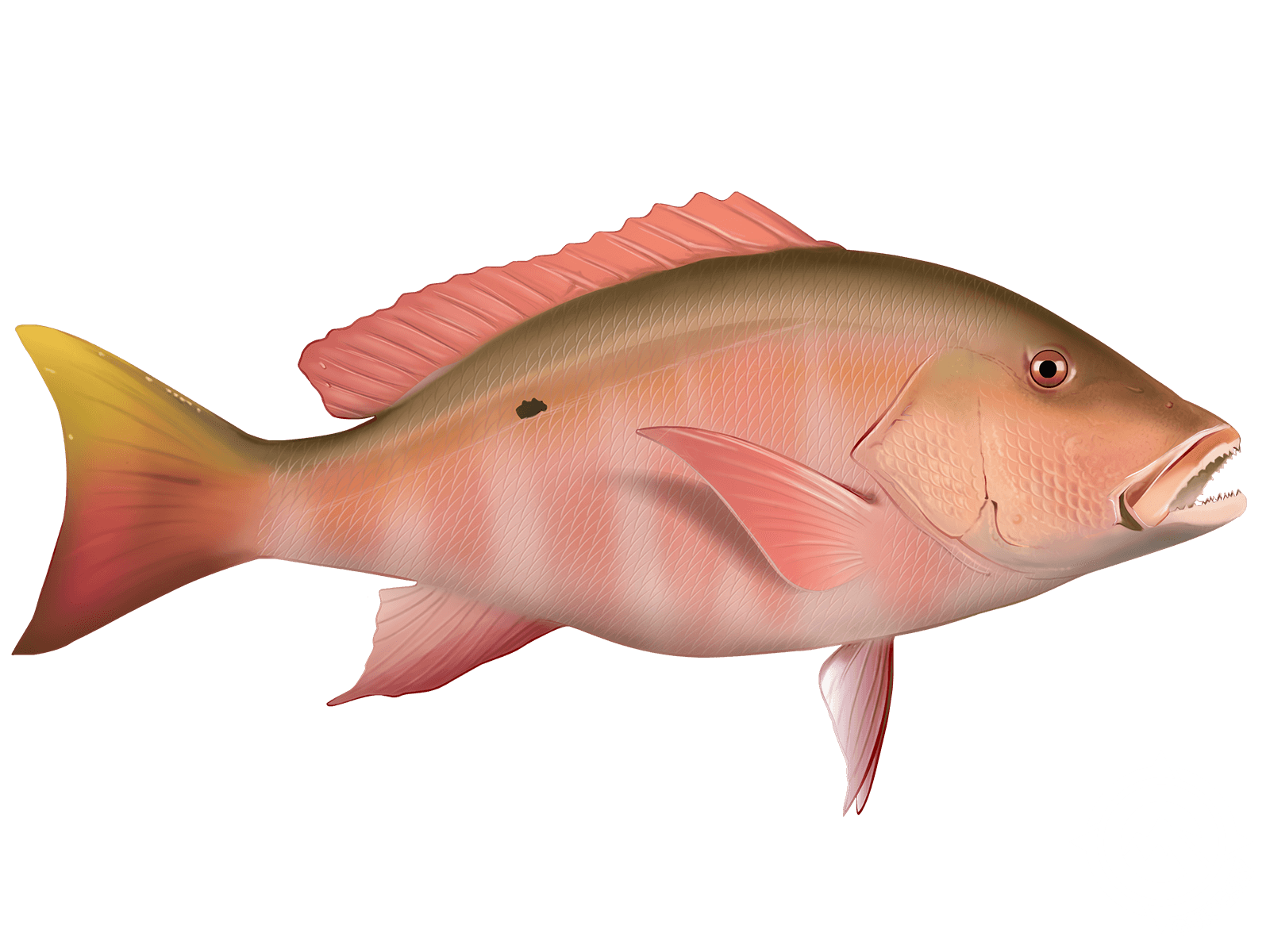
The Mutton Snapper (Lutjanus analis) belongs to the order Perciformes and family Lutjanidae, representing one of South Florida's most sought-after reef fish. These distinctive snappers display olive coloration that transitions from dark tones along the back to lighter shades on the belly, with characteristic blue lines below and behind their eyes. In West Palm Beach waters this July, anglers find them around offshore reefs and nearshore structure.
Mutton Snapper Overview
Mutton Snappers are prized gamefish known for their excellent table fare and challenging fights. They inhabit reef systems, nearshore structure, and backcountry flats throughout South Florida, making them accessible to various fishing techniques. Anglers value them for their size potential, fighting ability, and culinary quality.
Mutton Snapper Habitat and Distribution
These snappers prefer coral reefs, rocky outcroppings, and structured bottom areas from shallow backcountry flats to offshore reefs. Around West Palm Beach, they frequent depths ranging from 20 to 200 feet, with larger specimens typically found in deeper offshore waters during summer months.
Mutton Snapper Size and Weight
Mutton Snappers typically range from 5 to 15 pounds, with specimens reaching up to 20 inches in length. Trophy fish can exceed these averages, particularly in deeper offshore waters where mature fish congregate during spawning periods.
Mutton Snapper Diet and Behavior
These opportunistic feeders consume crabs, shrimp, small fish, and squid. They exhibit both daytime and nighttime feeding patterns, with peak activity often occurring during dawn and dusk periods. Their feeding behavior makes them responsive to both live and cut baits.
Mutton Snapper Spawning Season
Spawning occurs during warmer months, typically from April through September in South Florida waters. During this period, fish aggregate around deeper reef structures, making summer an excellent time for targeting larger specimens in offshore waters.
Mutton Snapper Fishing Techniques
Effective techniques include bottom fishing with live pinfish or pilchards, kite fishing with live goggle-eyes, and drift fishing over reef structure. In July around West Palm Beach, kite fishing proves particularly effective as fish move to feed in the water column above reef systems.
Mutton Snapper Is It Good to Eat?
Mutton Snappers offer excellent table fare with firm, white meat and mild flavor. They're high in protein and omega-3 fatty acids while remaining low in mercury. Popular preparation methods include grilling, blackening, and ceviche.
Mutton Snapper Frequently Asked Questions
Q: What is the best bait for Mutton Snapper?
A: Live pinfish, pilchards, and goggle-eyes work exceptionally well, along with fresh cut bait like ballyhoo and squid.
Q: Where can I find Mutton Snapper near West Palm Beach?
A: They frequent offshore reefs, nearshore structure, and backcountry flats, with summer fishing particularly productive around deeper reef systems.
Q: Is Mutton Snapper good to eat?
A: Yes, they're considered excellent table fare with firm, white meat and mild flavor that works well with various cooking methods.
Q: When is the best time to catch Mutton Snapper?
A: Summer months offer excellent opportunities as fish aggregate around spawning areas, with dawn and dusk periods typically most productive.
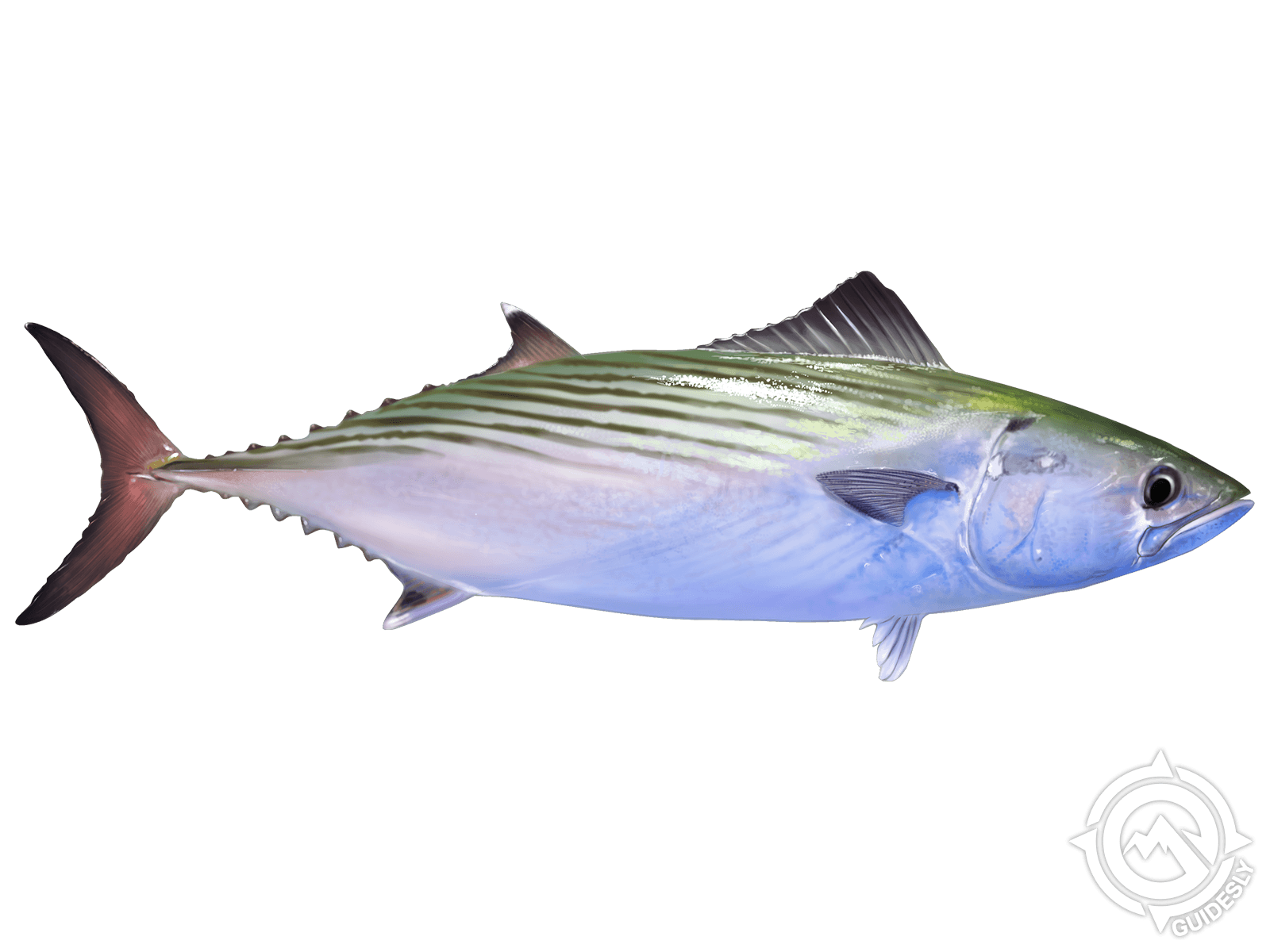
The Atlantic Bonito (Sarda sarda) belongs to the order Perciformes and family Scombridae, representing a fast-moving mackerel-like species prized by anglers for their speed and fighting ability. These silver fish display blueish-green dorsal coloration with distinctive black stripes along their streamlined bodies. In West Palm Beach waters this July, they provide exciting action for offshore fishing enthusiasts.
Atlantic Bonito Overview
Atlantic Bonito are high-speed predators known for their incredible swimming ability, reaching speeds up to 40 mph. They're shaped similar to tuna but feature a more compressed body and narrow caudal peduncle that enhances their hydrodynamic efficiency. Anglers appreciate them for their aggressive strikes and acrobatic fights.
Atlantic Bonito Habitat and Distribution
These pelagic fish inhabit nearshore and offshore waters along the Atlantic coast, preferring areas with strong currents and abundant baitfish. Around West Palm Beach, they're commonly found near reefs, drop-offs, and areas where Gulf Stream waters create productive feeding zones.
Atlantic Bonito Size and Weight
Atlantic Bonito typically measure between 8 and 36 inches in length, with weights ranging from 10 to 12 pounds. Larger specimens can exceed these averages, particularly during peak feeding periods when abundant forage supports rapid growth.
Atlantic Bonito Diet and Behavior
These voracious predators feed primarily on small schooling fish, squid, and crustaceans. They hunt in schools, often creating surface disturbances as they chase baitfish. Their feeding frenzies make them responsive to trolled lures and live bait presentations.
Atlantic Bonito Spawning Season
Spawning occurs in offshore waters during spring and early summer months. During this period, fish form large aggregations in deeper waters, though they remain accessible to anglers fishing nearshore areas where they continue feeding actively.
Atlantic Bonito Fishing Techniques
Trolling with small spoons, feathers, and cedar plugs proves highly effective, as does casting to surface-feeding schools. In July around West Palm Beach, anglers find success trolling at moderate speeds over reef areas and along current edges where baitfish concentrate.
Atlantic Bonito Is It Good to Eat?
Atlantic Bonito offers rich, dark meat with a strong flavor that's high in omega-3 fatty acids and protein. They're best prepared fresh using methods like grilling, smoking, or sashimi-style preparation that complement their robust flavor profile.
Atlantic Bonito Frequently Asked Questions
Q: What is the best bait for Atlantic Bonito?
A: Small trolling lures, spoons, feathers, and live bait like pilchards work well, with fast-moving presentations triggering aggressive strikes.
Q: Where can I find Atlantic Bonito near West Palm Beach?
A: They frequent nearshore reefs, current edges, and areas with active baitfish schools, particularly where Gulf Stream waters create productive feeding zones.
Q: Is Atlantic Bonito good to eat?
A: Yes, they offer rich, flavorful meat that's excellent when prepared fresh using grilling, smoking, or sashimi-style methods.
Q: When is the best time to catch Atlantic Bonito?
A: Summer months provide excellent opportunities as fish feed actively in nearshore waters, with early morning and late afternoon periods often most productive.
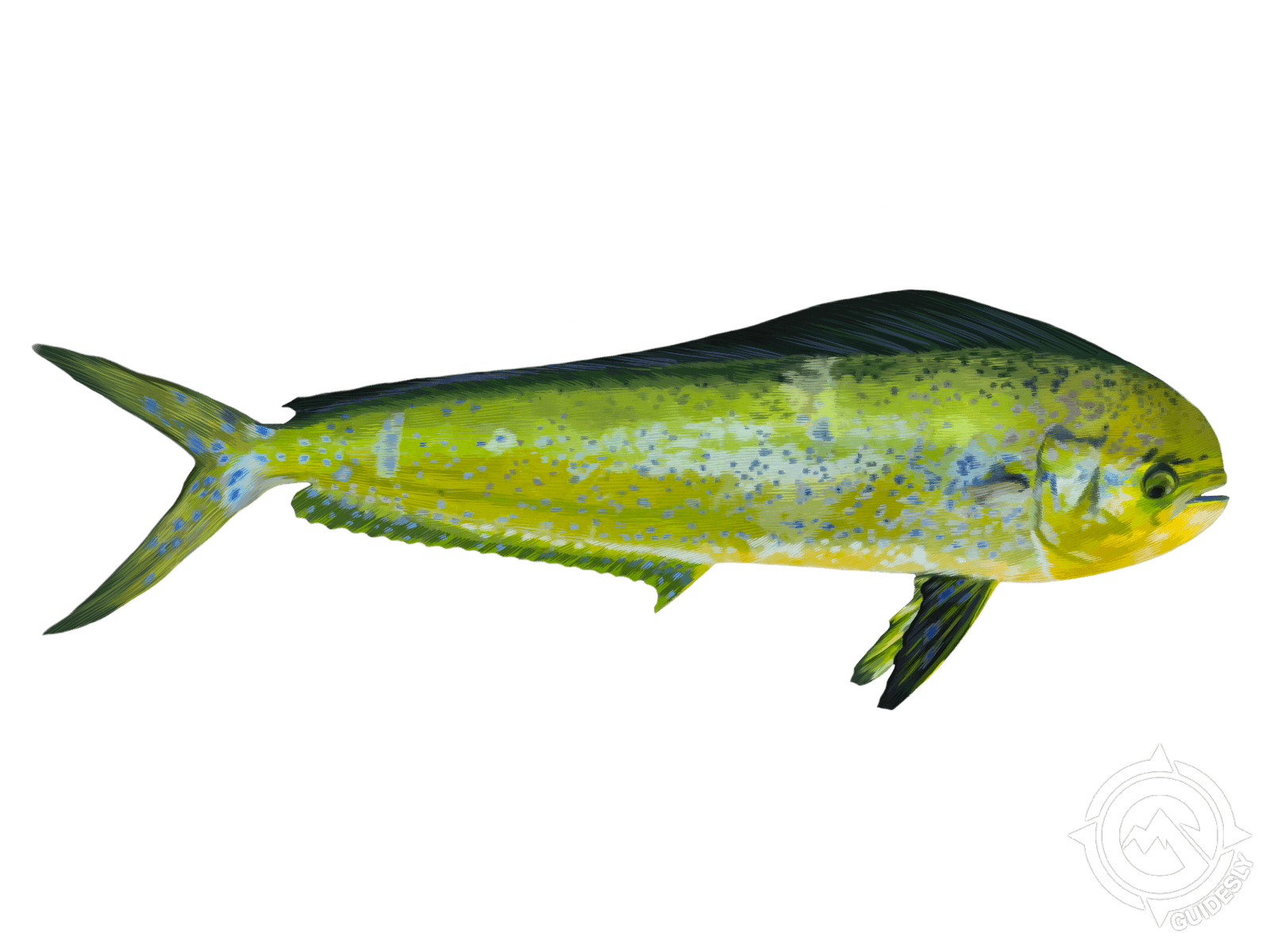
More species you can explore on this trip
Tuna Wahoo Charters Available Trips
Other customer memories from this trip
Get ready for an unforgettable offshore adventure with your friends! This fishing charter is the perfect way to experience the stunning Palm Beach waters and try your hand at catching some incredible sea creatures. With room for up to 5 guests, you'll have plenty of space to spread out and enjoy the ride.