%2Ffit-in%2F250x250%2Fguide_websites%2F18339%2Fimages%2F1759917388272tempimage4pqxhr.png&w=1920&q=100)
Caught a Little Tunny Offshore in West Palm
Little Tunny Fishing in West Palm Beach, FL
4.8

12 Reviews
- 5
 83%
83% - 417%
- 3
 0%
0% - 20%
- 10%
%2F%2Fusers%2F8136df2e-0db2-48af-b55e-d4df4d5a5de5%2Fimages%2Flittle-tunny-riviera-beach-marina-2942.png&w=1920&q=75)
The Little Tunny belongs to the order Perciformes and family Scombridae. It typically measures between 24 and 48 inches in length, with a weight range from 5 to 15 lbs. Habitat: onshore, nearshore, offshore. - Also known as Bonita, False Albacore, or Little Tuna. - Considered one of the smaller variants of tuna. - Uses schooling and migration as primary defense mechanisms. - Migratory fish that typically head south during Winter or Fall.
Guided Fishing Trip by Guide Rich Adler
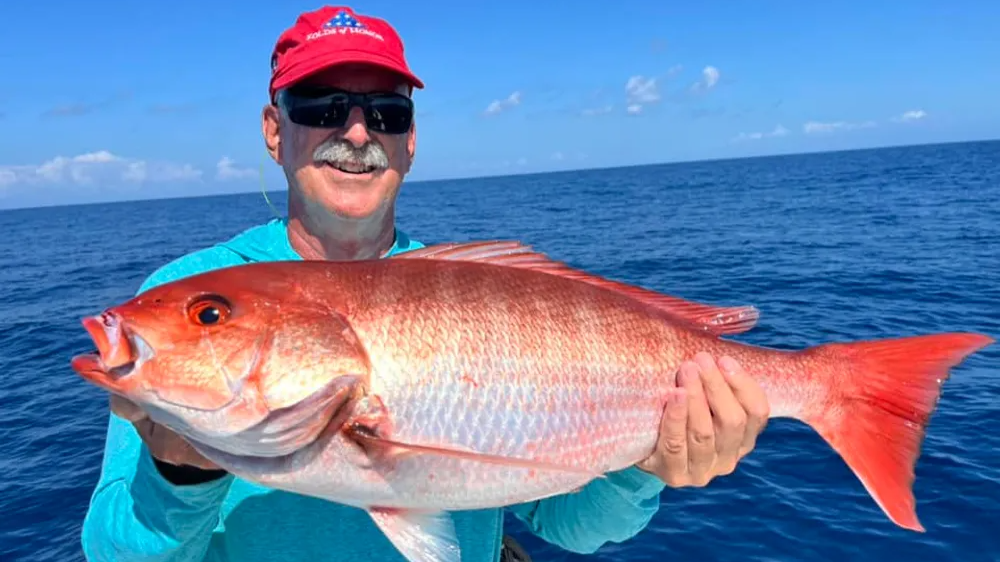
Meet your Guide Rich Adler
- Palm Beach Sportfishing - Tuna, Wahoo and more!


Summary
Guide Rich Adler of Tuna Wahoo Charters on Saturday August delivered an outstanding 4-hour offshore fishing adventure from Riviera Beach City Marina. This family-friendly charter targets Little Tunny, Mutton Snapper, and Red Snapper using proven techniques like trolling, deep dropping, and kite fishing. The offshore waters near West Palm Beach offer exceptional fishing opportunities for anglers of all skill levels, with consistent action throughout the summer months. Captain Rich's local expertise and diverse fishing methods ensure guests experience the best of Palm Beach's offshore fishing scene, making it perfect for both seasoned anglers and families seeking their first deep sea adventure.
Fishing Charter with Rich Adler – Rates & Booking
Guide Rich Adler of Tuna Wahoo Charters on Saturday August offers 4-hour offshore fishing adventures departing from Riviera Beach City Marina. This family-friendly charter accommodates up to 5 guests and includes fishing licenses, with rates covering all essential gear and expert guidance. Bring cash for live bait costs and mate tip, while food and beverages are welcome aboard. Book your West Palm Beach fishing experience with a licensed captain who knows these offshore waters like the back of his hand.
Highlights of Family-Friendly Palm Beach Fishing Charters
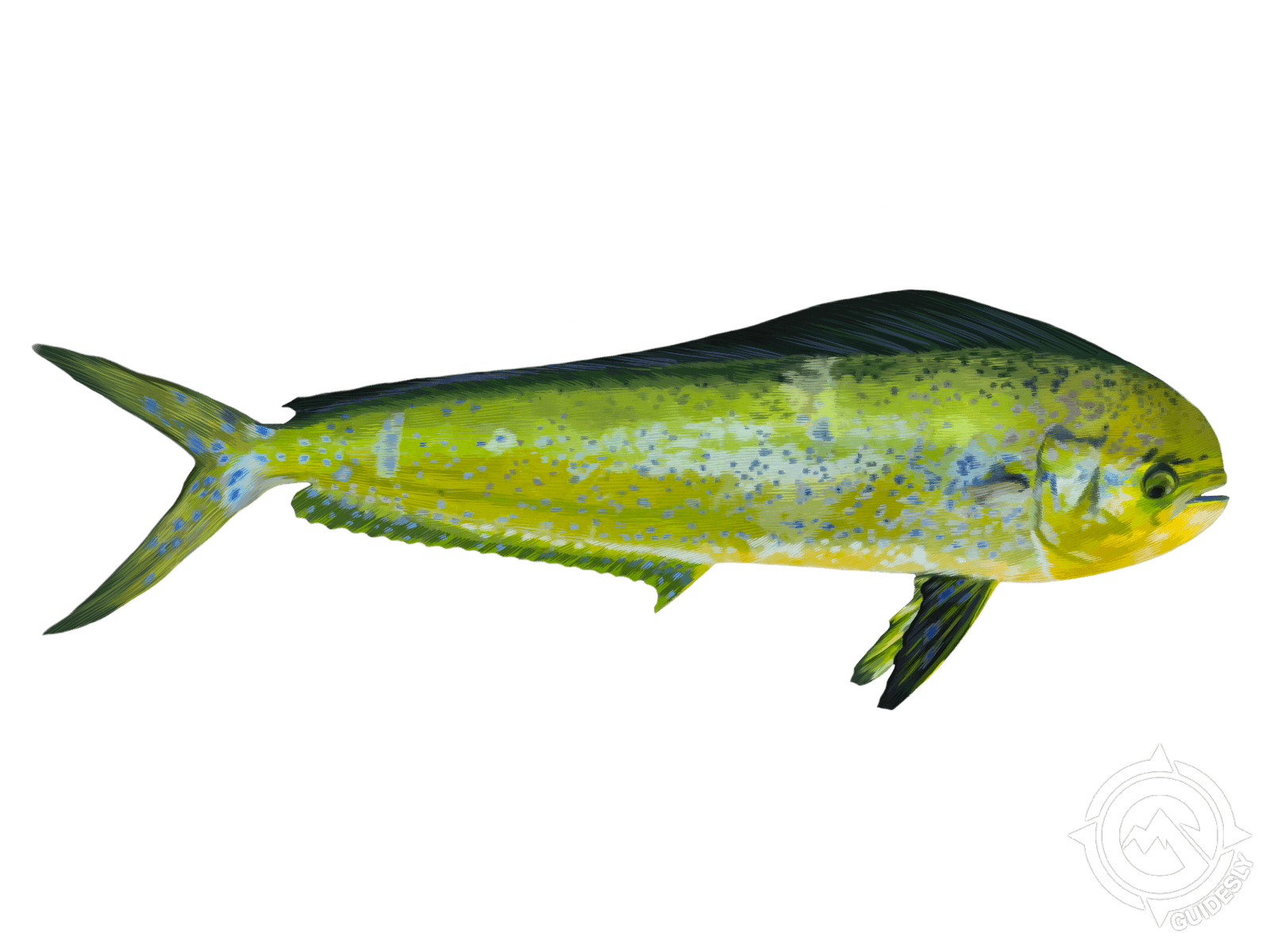
Experience diverse fishing techniques including drift fishing, kite fishing, and bottom fishing as Captain Rich puts you on the best offshore action. Target species like Sailfish, Mahi Mahi, Wahoo, Tuna, Snapper, and Grouper based on seasonal migrations and local conditions. The 4-hour trip format provides ample time to explore different fishing methods while keeping the adventure manageable for families and newcomers to offshore fishing.
Recent success stories include quality catches of Little Tunny, Mutton Snapper, and Red Snapper, showcasing the variety these waters offer. The offshore grounds near West Palm Beach deliver consistent action throughout the year, with summer months providing particularly hot fishing opportunities.
Local Species Insights: Little Tunny
Little Tunny thrive in the offshore waters around West Palm Beach, where they form schools and migrate seasonally through these productive fishing grounds. These smaller tuna relatives respond well to trolling techniques and kite fishing, making them an exciting target for anglers seeking fast-paced action. During summer months like August, they're commonly found in the nearshore and offshore zones, providing excellent opportunities for both experienced and novice anglers to experience the thrill of hooking into these spirited fighters.
Plan Your Fishing Charter Day
Your offshore adventure begins at Riviera Beach City Marina under the guidance of Captain Rich, who brings years of local fishing expertise to every trip. The charter includes all necessary fishing equipment and techniques instruction, ensuring everyone aboard has the best chance at success. With a maximum capacity of 5 guests, there's plenty of room to fish comfortably while learning different methods from trolling to deep dropping. Safety equipment and professional guidance are standard, making this an ideal choice for families and groups looking to experience the best of Palm Beach offshore fishing.
Fishing in West Palm Beach: Little Tunny
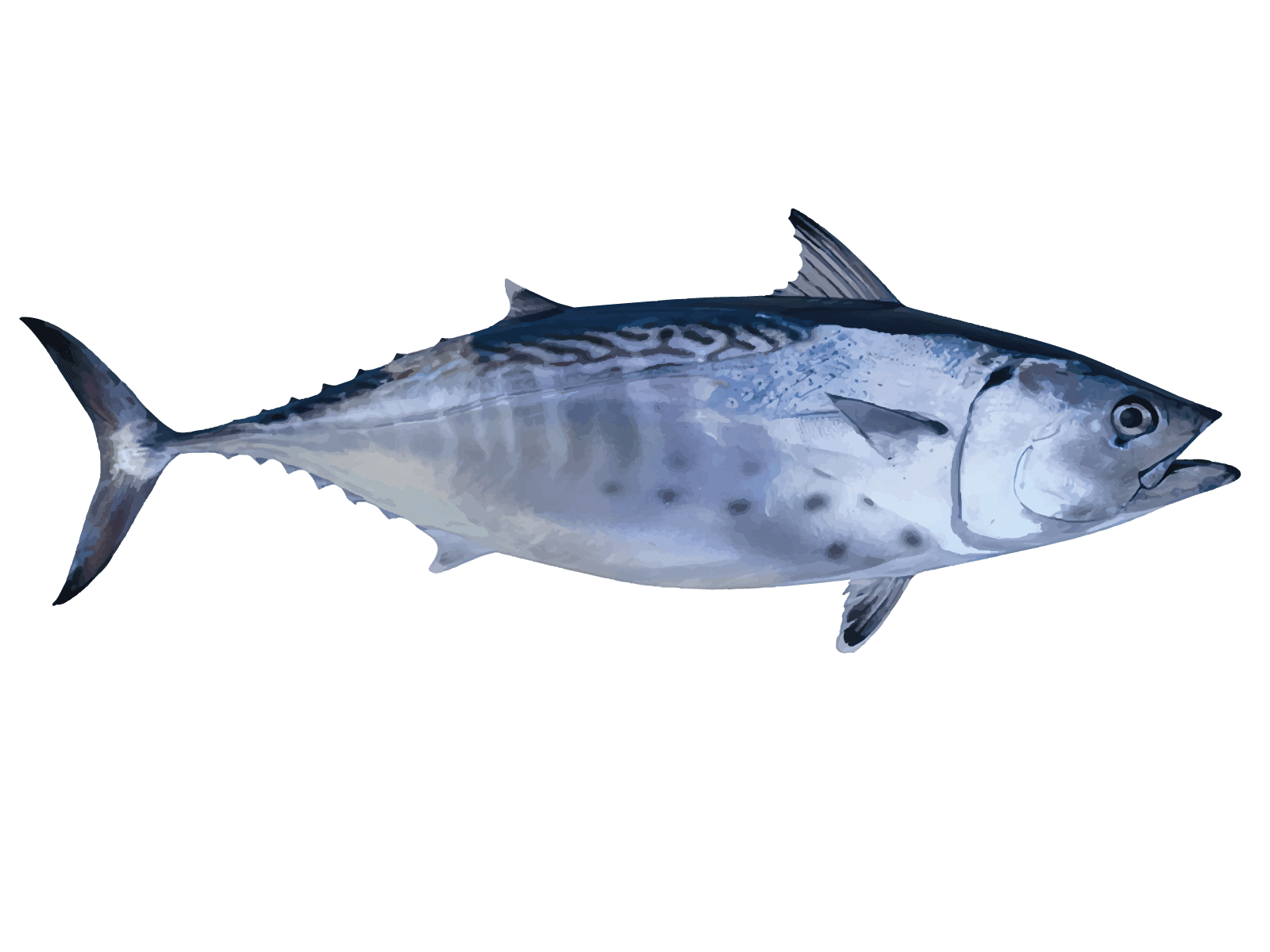
The Little Tunny (Euthynnus alletteratus) is a dynamic member of the Scombridae family and Perciformes order, commonly known as Bonita, False Albacore, or Little Tuna. This smaller tuna variant displays the characteristic speed and agility that makes it a favorite target for offshore anglers. In West Palm Beach waters this August, these spirited fish provide consistent action for charter guests seeking fast-paced fishing excitement.
Little Tunny Overview
Little Tunny are highly migratory pelagic fish that travel in schools as a primary defense mechanism. They're distinguished by their streamlined bodies, dark wavy lines on their backs, and the distinctive spots below their pectoral fins. Anglers value them for their fighting ability and the challenge they present on light tackle.
Little Tunny Habitat and Distribution
These fish inhabit onshore, nearshore, and offshore waters throughout the Atlantic, making them accessible to various fishing methods. Around West Palm Beach, they're commonly found in the Gulf Stream and nearshore waters where baitfish concentrations attract feeding schools.
Little Tunny Size and Weight
Typical Little Tunny range from 24 to 48 inches in length and weigh between 5 to 15 pounds. While smaller than their larger tuna cousins, they compensate with incredible speed and endurance that tests angler skills.
Little Tunny Diet and Behavior
Little Tunny feed primarily on small fish, squid, and crustaceans. They're active hunters that often feed near the surface, making them ideal targets for trolling and kite fishing techniques. Their schooling behavior means where you find one, you'll likely find many.
Little Tunny Spawning Season
Spawning occurs in warmer waters during spring and summer months. During this period, they become more aggressive feeders, making summer fishing particularly productive for charter operations.
Little Tunny Fishing Techniques
Trolling with small lures, spoons, or rigged ballyhoo proves most effective. Kite fishing with live bait also produces excellent results. Light tackle spinning with jigs or small plugs works well when schools are located. In August, anglers around West Palm Beach find them responding well to high-speed trolling near temperature breaks and current edges.
Little Tunny Is It Good to Eat?
Little Tunny offers firm, red meat with a rich flavor similar to other tuna species. The meat is high in protein and omega-3 fatty acids. Many anglers prefer them grilled, blackened, or prepared as sashimi when properly handled and iced immediately after catch.
Little Tunny Frequently Asked Questions
Q: What is the best bait for Little Tunny?
A: Small rigged ballyhoo, cedar plugs, spoons, and live pilchards work exceptionally well. High-speed trolling with these baits mimics their natural prey.
Q: Where can I find Little Tunny near West Palm Beach?
A: Look for them in nearshore and offshore waters, particularly around temperature breaks, current edges, and areas with active baitfish schools.
Q: Is Little Tunny good to eat?
A: Yes, when properly handled they offer excellent table fare with firm, flavorful meat that's perfect for grilling or sashimi preparation.
Q: When is the best time to catch Little Tunny?
A: Summer months like August provide excellent opportunities, though they're available year-round with seasonal migrations affecting their abundance.
Q: What tackle should I use for Little Tunny?
A: Medium spinning or conventional tackle with 20-30 pound test line works well. Light tackle makes the fight more exciting while still providing adequate strength.
Q: Do Little Tunny travel in schools?
A: Yes, schooling is their primary defense mechanism. Finding one fish often means locating an entire school, making for exciting multiple hookups.
More species you can explore on this trip
Tuna Wahoo Charters Available Trips
Other customer memories from this trip
Get ready for an unforgettable offshore adventure with your friends! This fishing charter is the perfect way to experience the stunning Palm Beach waters and try your hand at catching some incredible sea creatures. With room for up to 5 guests, you'll have plenty of space to spread out and enjoy the ride.