%2Ffit-in%2F250x250%2Fguide_websites%2F18339%2Fimages%2F1759917388272tempimage4pqxhr.png&w=1920&q=100)

Lake Okeechobee Fishing Guide: Bass Paradise in Florida
%2Ffit-in%2F1000x1000%2Ffilters%3Aformat(webp)%2Fusers%2F8136df2e-0db2-48af-b55e-d4df4d5a5de5%2Fprofile%2F1730310008984captainrich.webp&w=1920&q=75)
Updated: September 17, 2026
Lake Okeechobee Fishing: Your Complete Guide to Florida's Bass Paradise
Stretching across 730 square miles of south-central Florida, Lake Okeechobee stands as one of America's premier freshwater fishing destinations. This massive shallow lake, affectionately known as the "Big O," delivers world-class largemouth bass fishing that draws anglers from across the globe. With its sprawling grass flats, cypress stands, and consistent year-round fishing opportunities, Lake Okeechobee fishing offers both seasoned professionals and weekend warriors the chance to land the bass of a lifetime.
Understanding Lake Okeechobee's Unique Ecosystem
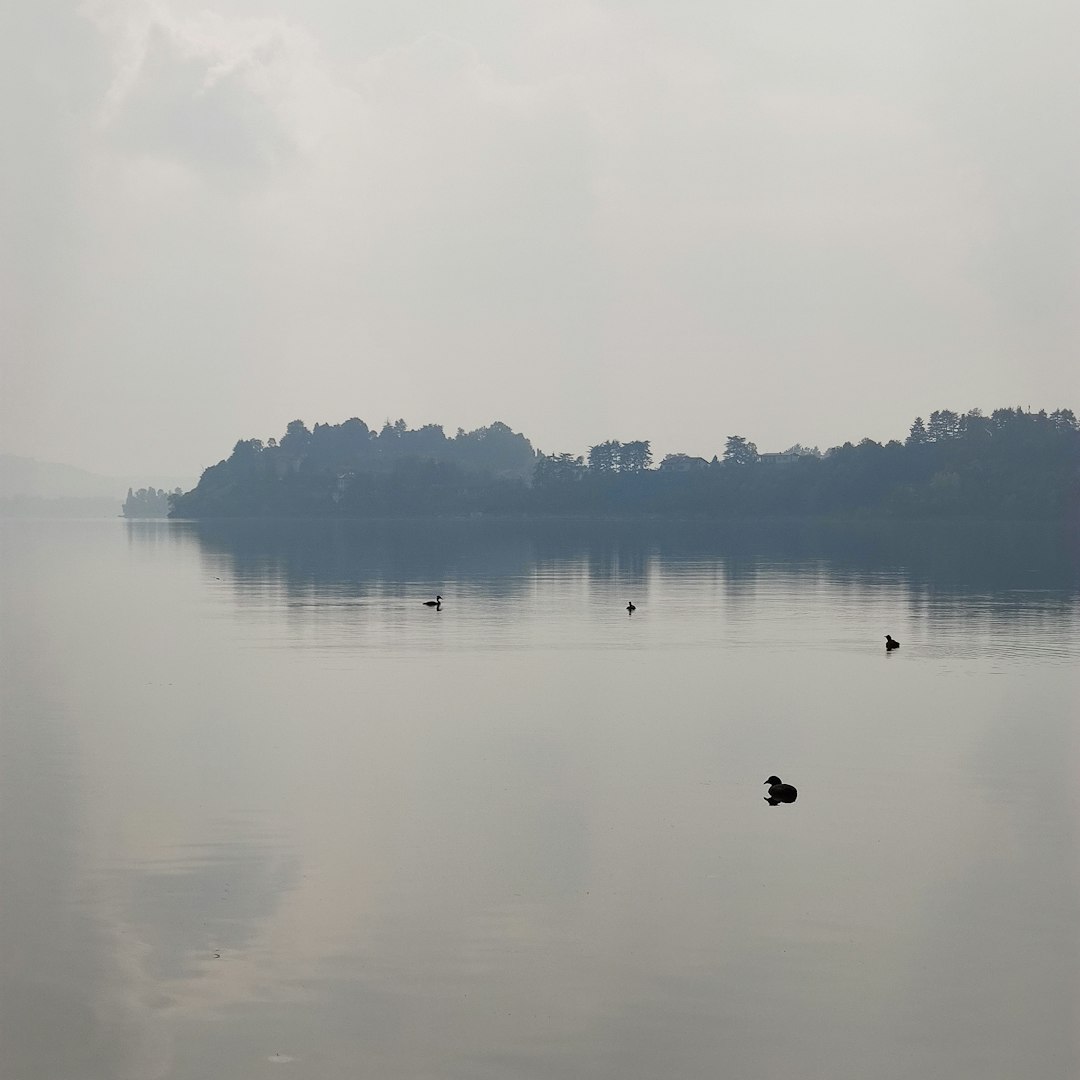
Lake Okeechobee's shallow depths—averaging just nine feet with a maximum of 12 feet—create an ideal environment for bass reproduction and growth. The lake's extensive vegetation includes hydrilla, eelgrass, cattails, and bulrushes that provide crucial habitat structure. These grass beds serve as nurseries for young bass and hunting grounds for mature fish.
The lake's circular shape and consistent water levels make it relatively easy to navigate, though sudden weather changes can create challenging conditions. Wind direction plays a crucial role in fishing success, as it pushes baitfish and affects water clarity in different sections of the lake.
Prime Fishing Locations Around the Big O
The Rim Canal, a man-made waterway encircling the lake, offers excellent structure fishing opportunities. This deeper water adjacent to the main lake holds bass year-round, particularly during extreme weather conditions. Key areas include the North Shore near Clewiston, where rocky structure and vegetation edges create productive fishing zones.
Harney Pond Canal and Indian Prairie Canal provide access to some of the lake's most productive grass flats. These areas excel during spring and fall when bass move shallow to feed aggressively. The grass lines here hold schools of shiners and other baitfish that attract hungry largemouth.
Uncle Joe's Cut remains a legendary spot among bass fishing enthusiasts. This narrow channel connecting different sections of the lake concentrates fish movement and offers consistent action throughout the year.
Seasonal Patterns and Techniques
Spring brings the most exciting Lake Okeechobee fishing as bass move into shallow areas for spawning. From February through April, sight fishing becomes incredibly productive in the lake's clear, shallow bays. Anglers target bedding bass using soft plastics, jigs, and topwater lures in water depths of two to four feet.
Summer fishing shifts focus to deeper grass lines and the Rim Canal. As water temperatures rise, bass seek cooler water and shade provided by vegetation. Flipping and pitching heavy jigs into thick cover produces consistent results during the hottest months.
Fall represents another peak season as bass feed heavily before winter. Schooling activity increases dramatically, with surface action common during early morning and late evening hours. Spinnerbaits, swimbaits, and topwater plugs excel during this period.
Winter fishing on Lake Okeechobee remains productive compared to northern lakes. Bass hold in deeper grass lines and canal mouths, responding well to slow presentations using jigs, Carolina-rigged soft plastics, and suspending jerkbaits.

Essential Tackle and Techniques
Heavy tackle proves necessary for successful Florida fishing in Okeechobee's thick vegetation. Medium-heavy to heavy action rods paired with high-speed baitcasting reels handle the demands of pulling bass from dense cover. Braided line in 50-65 pound test provides the strength needed to horse fish through grass without breaking off.
Flipping and pitching dominate Lake Okeechobee fishing techniques. Heavy tungsten weights (1/2 to 1 1/2 ounces) penetrate thick vegetation, while soft plastic creature baits and beaver-style baits trigger strikes from bass buried in cover. Black, blue, and green pumpkin colors consistently produce in the lake's stained water.
Topwater fishing creates explosive action during low-light conditions. Large profile baits like buzzbaits, frogs, and walking baits work effectively over shallow grass flats. The key involves maintaining steady retrieves and avoiding hesitation when bass blow up on lures.
Spinnerbaits shine when bass suspend along grass lines or chase schools of shad in open water areas. Willow leaf blades work best in clear conditions, while Colorado blades excel when water clarity decreases after storms or wind events.
Navigation and Safety Considerations
Lake Okeechobee's vast size and shallow nature require careful navigation planning. GPS units with detailed lake maps prove essential for marking productive areas and avoiding underwater obstacles. The lake's grass growth changes seasonally, creating new challenges for boat operation throughout the year.
Weather monitoring becomes critical on this large body of water. Afternoon thunderstorms develop quickly during summer months, creating dangerous conditions for small boats. Morning fishing typically offers the calmest conditions and most consistent bass activity.
Multiple boat ramps provide access around the lake's perimeter. Popular launches include Roland Martin Marina, Clewiston, and Belle Glade, each offering different advantages depending on target fishing areas and prevailing wind conditions.
Ready to experience world-class freshwater fishing? Book your Lake Okeechobee fishing charter today and let experienced guides put you on the bass of a lifetime in Florida's premier fishing destination.
Best Times and Conditions
Moon phases significantly impact bass behavior on Lake Okeechobee. New and full moons trigger increased feeding activity, particularly during spring and fall periods. Planning trips around these lunar phases often results in more productive fishing experiences.
Water levels affect grass growth and bass positioning throughout the year. Higher water levels flood additional vegetation, spreading bass over larger areas but creating more habitat. Lower water concentrates fish in remaining deep water areas and canal systems.
Barometric pressure changes influence bass feeding patterns. Falling pressure ahead of weather fronts typically increases bass activity, while high pressure systems following fronts can slow fishing temporarily.
Local Resources and Regulations
Florida fishing licenses are required for all anglers over 16 years of age. The state offers various license options, including short-term permits for visiting anglers. Bass tournaments require additional permits and adherence to specific tournament regulations.
Bag limits allow anglers to keep five bass per day with only one over 14 inches. Most serious bass anglers practice catch and release to maintain the lake's excellent fishing quality. Proper fish handling techniques ensure released bass survive to fight another day.
Local tackle shops around the lake provide current fishing reports, bait, and equipment. These businesses offer valuable real-time information about recent fishing patterns and effective techniques.
Lake Okeechobee fishing represents the pinnacle of freshwater bass fishing in the United States. This remarkable fishery combines consistent year-round action with the opportunity to catch truly giant largemouth bass. Whether you're flipping heavy cover, working topwater over grass flats, or targeting schooling bass in open water, the Big O delivers fishing experiences that create lifelong memories. Plan your visit during peak seasons, come prepared with appropriate tackle, and respect this incredible natural resource for future generations of anglers to enjoy.