%2Ffit-in%2F250x250%2Fguide_websites%2F18339%2Fimages%2F1759917388272tempimage4pqxhr.png&w=1920&q=100)

Essential Fishing Knots Guide: 8 Knots Every Angler Must Know
%2Ffit-in%2F1000x1000%2Ffilters%3Aformat(webp)%2Fusers%2F8136df2e-0db2-48af-b55e-d4df4d5a5de5%2Fprofile%2F1730310008984captainrich.webp&w=1920&q=75)
Updated: September 17, 2026
Essential Fishing Knots Guide: 8 Knots Every Angler Must Master
Nothing ruins a fishing trip faster than losing the fish of a lifetime to a failed knot. Whether you're targeting bass in a local pond or fighting trophy fish in open water, your knot is the critical link between you and your catch. This comprehensive fishing knots guide covers eight essential knots that form the foundation of successful angling, from basic connections every beginner needs to advanced techniques that experienced anglers rely on in challenging situations.
Why Proper Knot Tying Makes or Breaks Your Fishing Success
A poorly tied knot can reduce your line strength by up to 50%. Professional guides and tournament anglers understand this reality—they spend considerable time perfecting their knot-tying techniques because even the best fishing gear means nothing if your connection fails at the crucial moment.

Water conditions, fish species, and line types all influence knot selection. Fluorocarbon requires different techniques than monofilament, while braided lines demand specific approaches to prevent slippage.
The Improved Clinch Knot: Your Go-To Basic Connection
The improved clinch knot handles 85% of typical fishing situations. Thread your line through the hook eye, wrap it around the standing line five times, pass it back through the first loop near the hook, then through the larger loop you just created. Wet the knot and pull tight slowly.
This knot works best with monofilament lines up to 20-pound test. Avoid it with braided lines—the smooth surface causes slippage under pressure.
Palomar Knot: Maximum Strength for Critical Moments
Tournament bass anglers swear by the Palomar knot's reliability. Double your line and pass the loop through the hook eye. Tie an overhand knot with the doubled line, leaving the hook hanging loose. Pass the hook through the doubled line loop and tighten carefully.
The Palomar retains nearly 95% of your line's original strength, making it perfect for heavy cover fishing where you can't afford break-offs.
Blood Knot: Connecting Lines of Different Weights
Need to attach a lighter leader to heavier main line? The blood knot creates seamless connections between lines of similar or different diameters. Overlap the two line ends, wrap each around the other five times, then pass both ends through the center gap in opposite directions.
This technique proves invaluable when fishing clear water where lighter leaders increase strike rates, or when you need to replace damaged sections of line mid-trip.
Uni Knot: The Versatile Problem-Solver
The uni knot's adaptability makes it a favorite among guides who fish diverse conditions daily. Pass line through the hook eye twice, creating a loop. Make five turns through the loop, wet the knot, and tighten by pulling the tag end first, then the standing line.
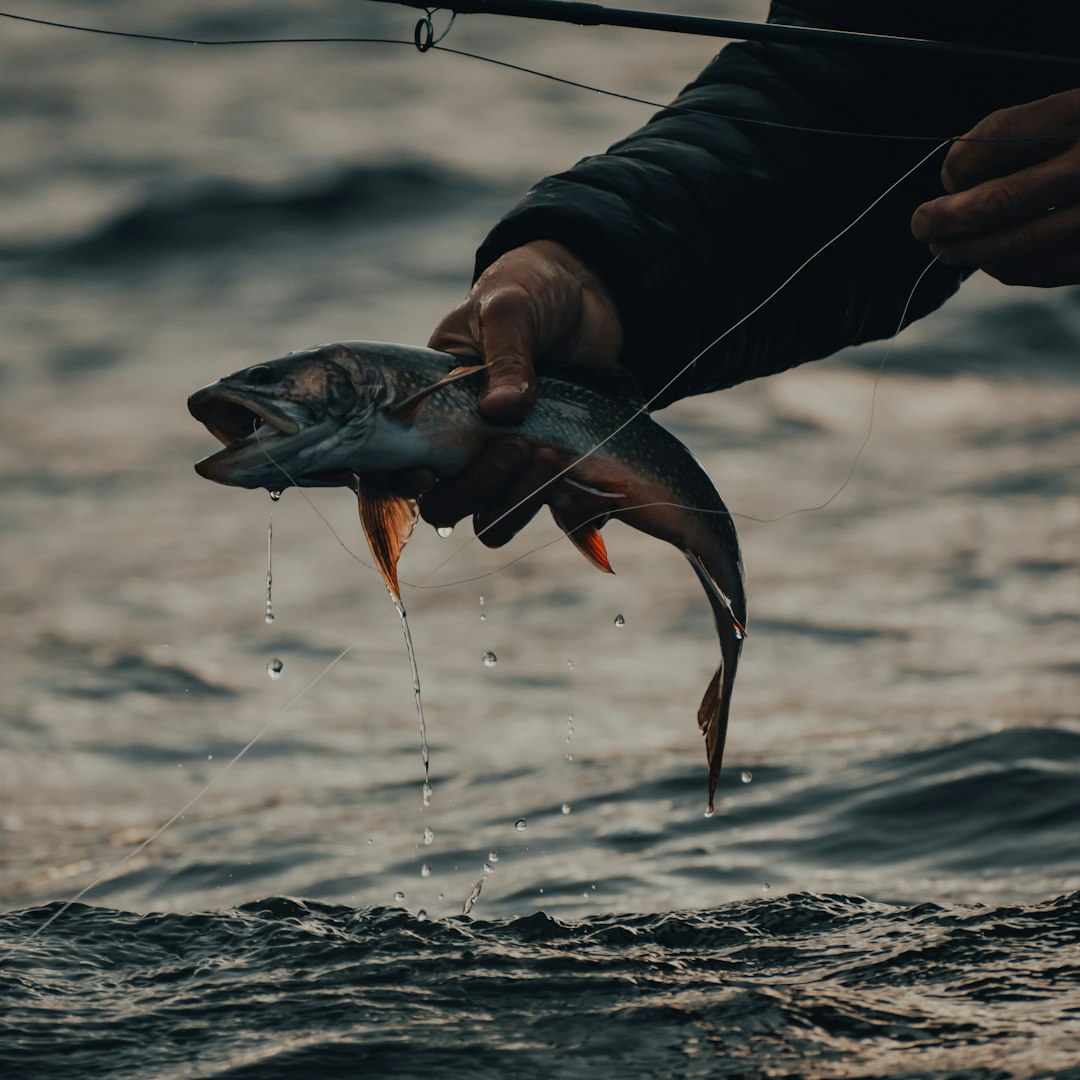
Adjust the uni knot's position by sliding it along the line before final tightening. This creates either a snug connection against the hook eye or a loop knot that allows lures more action.
Loop Knot: Adding Action to Your Lures
Some lures perform best with freedom of movement. The non-slip loop knot provides this while maintaining strong holding power. Tie an overhand knot in your line six inches from the end, pass the tag end through the hook eye and back through the overhand knot, make five wraps around the standing line, then return through the original overhand knot.
Topwater plugs, jerkbaits, and spoons benefit dramatically from loop connections that allow natural swimming actions.
Double Uni Knot: Leader-to-Line Connections
When you need to join different line types—braided main line to fluorocarbon leader, for instance—the double uni knot provides reliable strength. Overlap the lines, tie a uni knot with each line through the overlapped section, then pull the standing lines to snug the knots together.
This connection passes through rod guides smoothly and handles the shock of hard strikes better than many other joining methods.
Surgeon's Knot: Quick Repairs on the Water
Time matters when fish are biting. The surgeon's knot joins lines quickly without complex wrapping sequences. Overlap your lines, tie two overhand knots using both lines as a single strand, wet thoroughly, and pull tight.
While not the strongest option, the surgeon's knot gets you back to fishing fast when conditions demand speed over perfection.
Bimini Twist: Maximum Strength for Big Fish
Serious anglers targeting large species rely on the Bimini twist's shock-absorbing properties. This advanced knot creates a doubled line section that maintains nearly 100% line strength while providing stretch that cushions sudden runs.
The Bimini requires practice but becomes invaluable when fishing for species that make powerful initial runs. Master this technique and you'll handle fish that would otherwise snap standard connections.
Practicing Your Knot-Tying Skills
Consistent practice separates successful anglers from frustrated ones. Tie knots at home using adequate lighting and no time pressure. Muscle memory developed in comfortable conditions serves you well when cold fingers and poor light make streamside knot-tying challenging.
Keep a variety of hooks and line weights available for practice. Different combinations require subtle technique adjustments that become second nature with repetition.
Common Knot-Tying Mistakes to Avoid
Dry knots fail under pressure. Always wet your knots with water or saliva before tightening—this reduces friction that can weaken the connection by up to 20%. Pull knots tight gradually rather than jerking them, which can create weak spots in the line.
Check your knots regularly throughout fishing sessions. Line twist, abrasion from structure, and repeated casting stress connections over time.
Ready to put these knot-tying techniques into action? Book your next guided fishing trip with us and practice these essential connections while targeting fish in productive waters with experienced instruction.
Mastering these eight essential knots transforms your fishing effectiveness from amateur to professional level. Each knot serves specific purposes—from the reliable improved clinch for everyday fishing to the specialized Bimini twist for trophy pursuits. Practice these techniques until they become automatic, because when that fish of a lifetime strikes, you need absolute confidence in every connection between you and your catch. Strong knots mean more fish in the boat and fewer heartbreaking stories about the one that got away.