%2Ffit-in%2F250x250%2Fguide_websites%2F18339%2Fimages%2F1759917388272tempimage4pqxhr.png&w=1920&q=100)
 BlogKing MackerelHook, Line, and Sinker: How to Select the Perfect Saltwater Fishing Gear for Your Next Big Catch
Hook, Line, and Sinker: How to Select the Perfect Saltwater Fishing Gear for Your Next Big Catch
%2Ffit-in%2F1000x1000%2Ffilters%3Aformat(webp)%2Fusers%2F8136df2e-0db2-48af-b55e-d4df4d5a5de5%2Fprofile%2F1730310008984captainrich.webp&w=1920&q=75)
Published: November 17, 2025
Redfish:
These hard-fighting fish are found in the Gulf of Mexico and along the southeastern coast of the United States. They are great for both beginners and experienced anglers, and their meat is delicious.
Overall, the best types of saltwater fish to catch depend on a variety of factors. These will include location, season, and personal preferences.
Choose the right fishing rod
When it comes to fishing in saltwater, there are various gear options to choose from. One of the most common and versatile options is the conventional rod and reel setup. These rods are designed to handle a wide range of fish sizes and can be used for many different techniques, such as casting bait or lures. Specialized equipment can also be used, such as a fly rod for targeting specific species or trolling rigs for covering large areas of water. It's important to choose the right gear based on the type of fish you're after and the style of fishing you prefer.
Saltwater fishing rods come in a variety of lengths, weights, and materials. Longer rods are ideal for casting while a shorter rod is better for trolling. The material of the rod also plays a role in its sensitivity, strength, and durability.
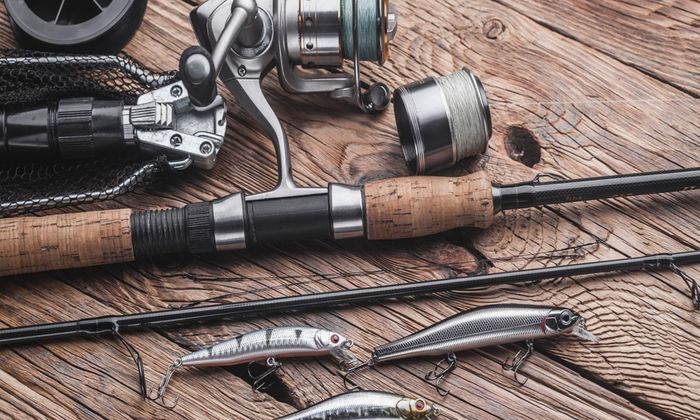
Look for quality materials:
Quality materials like graphite or fiberglass will affect the sensitivity, flexibility, and durability of the rod. Graphite rods are more sensitive and lighter, while fiberglass rods are more durable and have better flex.
Check the action of the rod:
The action refers to the flexibility of the rod and how it bends when a fish is hooked. A faster action rod will have more sensitivity and faster hook sets but may be less forgiving if the fish fights hard. A slower action rod will bend more and can handle larger fish but is less sensitive.
Consider the handle and grip:
A comfortable handle and grip will help reduce fatigue and improve your overall fishing experience. Consider the material, shape, and length of the grip.
Pick the Right Fishing Line
A fishing line is a crucial part of the fishing gear. It should be strong enough to handle the weight of the fish you are trying to catch. The fluorocarbon line is ideal for clear water conditions while the braided line is great for heavy cover.
Choose the right line material:
Saltwater fishing lines are made of different materials such as braided, monofilament, and fluorocarbon. Each of these materials has its advantages and disadvantages. For example, braided lines are strong and durable, while monofilament lines are more affordable.
Consider the line strength:
The line strength is the amount of weight that the line can carry. The greater the line strength, the more weight it can carry, and the more suitable it is for larger and stronger fish.
Factor in the line visibility:
In clear water, you need a fishing line that is nearly invisible to the fish. In such circumstances, you should choose a fluorocarbon line that is less visible than monofilament lines.
Look for a line that is resistant to abrasion:
Saltwater lines should be resistant to abrasion from salt, rocks, and other underwater objects. A line that is resistant to abrasion will last longer and provide a better fishing adventure.
The water depth:
The depth of the water you are fishing in will affect your line choice. If you are fishing in deep water, you will need a stronger line that can withstand the pressure.
Consider adding a leader
Adding a leader to a saltwater fishing rod can have many benefits. A leader is a length of monofilament or fluorocarbon line attached to the end of the main fishing line. It is thinner and as mentioned earlier, more abrasion-resistant than the main line and can help improve your chances of catching fish by:
Reducing visibility:
A leader can be less visible to fish than the main line, making it
less likely to spook them.
Preventing line breakage:
Saltwater fishing can be tough on fishing lines, with sharp
rocks, coral, and other obstacles causing the line to snap. A leader can help prevent
this by providing an extra layer of protection.
Providing shock absorption:
When a fish strikes, it can create a sudden jolt on the
line that can easily break it. A leader can act as a shock absorber, reducing the
chance of the line breaking.
Overall, adding a leader to your saltwater fishing setup can improve your chances of
catching fish. It will also help protect your equipment from damage.
Don’t forget the Bait and Lures
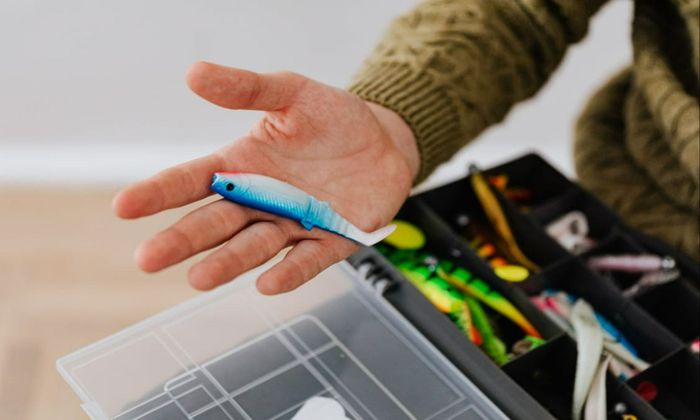
Depending on the type of fish you are after, you will need different bait and lures. Live bait is great for many species while an artificial lure will mimic the movement of the fish.
Best Bait and Lures for Saltwater Fishing:
- Live bait such as shrimp, pilchards, and mullet
- Artificial lures such as plastic worms, jigs, and spoons
- Cut bait such as squid, mullet, and bunker
- Topwater lures, such as poppers and stick bait
- Soft plastic baits such as jerk baits and swimbaits
- Bucktail jigs
- Surface plugs for surface-feeding fish like tuna
- Deep-diving plugs for trolling
- Spinners for fish like barracuda and mackerel
- Flies, including streamers and poppers for fly fishing
Make sure your Saltwater Fishing Gear is Corrosion-resistant
Saltwater can be corrosive to fishing gear, so you must choose the right equipment for
your next big catch.
Look for gear that is designed to resist corrosion. These materials include stainless steel, aluminum, or titanium. Materials such as these materials are made to last longer in saltwater so your pliers don't crumble when you need them most.
Avoid cheaper gear made of plastic or other materials that can be corroded by saltwater.
When it comes to hooks, lines, and sinkers, look for galvanized or brass metal. With the
right gear and regular maintenance, you'll be able to enjoy your fishing trips for years to
come.
We've covered the top considerations for choosing the right saltwater fishing rods, a saltwater reel, and lures. Whether you're a seasoned saltwater angler or just getting started, having the right gear can make all the difference in your fishing experience. So, take these tips with you on your next trip and see if they help you reel in
the big one. Have fun out there, and happy fishing!