Inshore Fishing Islamorada: A Complete Beginner's Guide

Your First Inshore Trip
See the inshore fishing trip options with Key Dives in Islamorada.

Published:
Updated:
What inshore fishing actually means
Inshore fishing is fishing in the shallow, sheltered water close to land instead of out in the deep open ocean. Think bays, grass flats, channels and the edges of mangroves. The boat sits in water that is often only a few feet deep, and on a clear day you can see the bottom.
That changes how the day feels. Offshore trips are mostly about distance and depth, but inshore fishing is about small details. A shadow sliding over the sand, a ripple that does not match the wind, a change in water colour near a channel edge. Those are the clues a guide reads all day long.
Shallow water also works in your favour as a beginner. The pace is slower than a long run to deep water, and you get time to watch, ask questions and try again after a miss. Nobody expects you to know any of this before you step on the boat.
Why Islamorada is a good place to start
Islamorada sits in the Florida Keys, a chain of islands with plenty of shallow water around it. For a first-timer, that means the kind of water inshore fishing needs is close to where you are staying. You do not have to plan a full day of travel just to find a place to fish.
Key Dives runs trips out of Islamorada, FL, and Mike Goldberg is the guide behind the business. If you have only seen Key Dives mentioned for diving, note that the inshore fishing option is a separate trip with its own listing. Check that listing for the details of what each trip includes before you book, because trip lengths and inclusions are set per trip.
Being based in one place also helps with planning. You can pick a day, check the weather, and talk to your guide about what to expect. A local guide knows how the water changes from one part of the day to the next, and that knowledge is a big part of what you are paying for.
How to read shallow water
The first thing a guide teaches most newcomers is to slow down and look. In shallow water, fish rarely announce themselves. You are watching for movement, shadows, birds working over the surface and patches where the bottom changes from sand to grass or from grass to something darker.
Tide and light matter more than most beginners expect. Moving water pushes food around, and fish tend to position themselves where the current brings it to them. Light decides whether you can see into the water at all, so a bright sky at a good angle makes spotting far easier than a flat, grey one. Your guide will plan the day around both, so you do not need to work it out yourself.
Your job is simpler. Pay attention when the guide points something out, even if you cannot see it at first. Looking where they look is how the skill builds, and after a few hours your eyes start catching things you would have missed at the dock.
Basic gear and what to bring
You do not need to buy a pile of equipment for a first trip. Ask your guide before the day what is supplied and what you should bring, since that depends on the specific trip. Showing up with a brand new rod you have never cast is a worse plan than using what the boat has set up for you.
The gear that does the real work is simple: a rod, a reel and line matched to the water and the fish being targeted. Your guide picks the setup and will show you how to hold it, where to put your hands and when to reel. If a rod feels awkward, say so. Small changes in grip or stance make a big difference to how well you cast, and a good guide would rather adjust than watch you struggle.
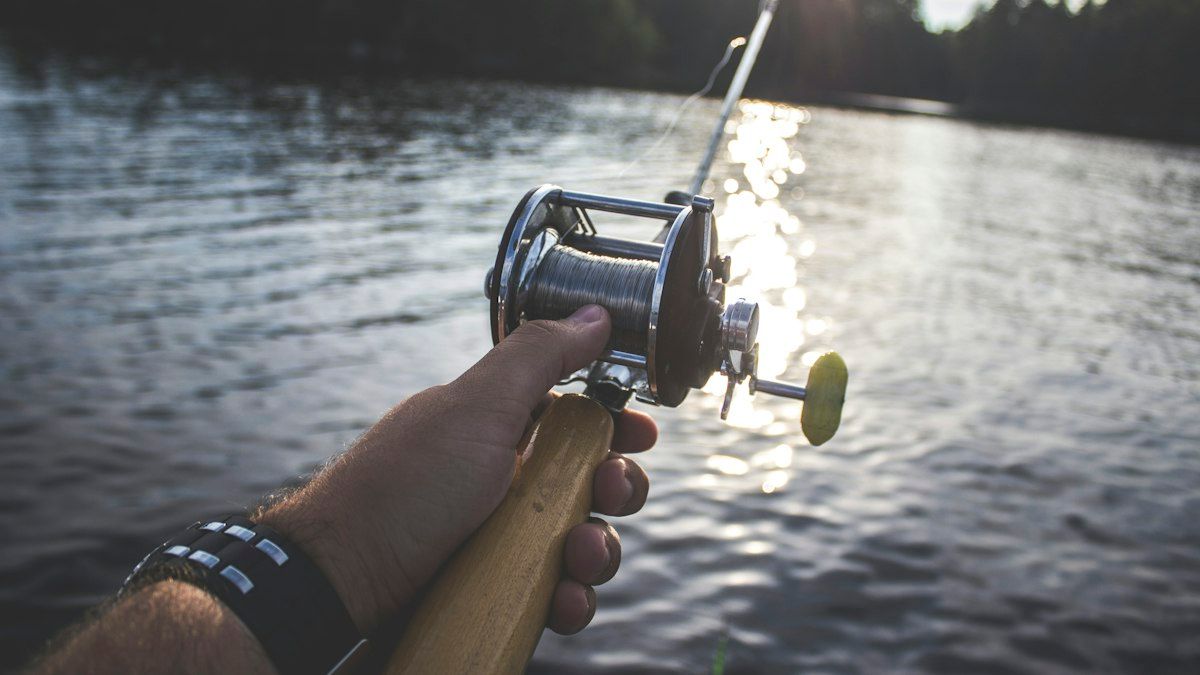
Beyond the rod, bring what keeps you comfortable on open water with no shade:
- Sun protection, including a hat, sunscreen and long sleeves if you burn easily
- Sunglasses, since glare makes it much harder to see into shallow water
- Shoes with grip, because boat decks get wet
- Water and a snack for the day
- A phone or camera in a waterproof case or bag
Pack light, keep your things in one bag, and leave anything fragile at the hotel. Boats are small spaces, and loose gear gets in everyone's way.
Techniques for a first-timer
Most of inshore fishing comes down to a few habits. Cast where your guide tells you to, keep your line under control, and stay ready. The fish will not wait for you to finish a conversation, so keep your eyes on the water and your hand on the rod.
Accuracy matters more than distance. A short cast placed in the right spot will do more than a long cast that lands somewhere random and spooks the water. Practice lets you feel how much force you need, and shallow water is forgiving enough to learn on if you take it one cast at a time.
When a fish bites, listen to the guide before you do anything dramatic. You will get specific instructions about when to set the hook and how much pressure to use, and following them is the quickest way to land what you hooked. Keep the rod tip up, keep steady tension on the line, and do not panic if the fish runs. Running is normal, and your guide will talk you through each stage.
Boat manners that help everyone
Sound travels through a hull and into shallow water. Dropping a cooler lid, stomping across the deck or shouting to a friend can send fish away from the area you are working. Move calmly, speak at normal volume, and keep gear off the deck where people walk.
Safety instructions from the guide always come first. Stay seated while the boat is moving, watch your hooks around other people, and ask before you step onto a raised platform or the bow. These habits are small, and they keep the whole group fishing instead of dealing with problems.
The best attitude to bring is patience. Some stretches are slow, and some days the fish are simply not interested. A trip that teaches you how to read the water and handle a rod is still a good first day, and you will leave knowing more than when you started.
Planning your first trip
Start by choosing a date and checking the inshore fishing listing for Key Dives. Read what the trip covers, ask about anything unclear, and mention your experience level when you get in touch. If it is your first time, say so. A guide can pace the day to suit you, but only if they know where you are starting from.
Check the forecast a few days out and stay flexible if you can. Wind and weather shape inshore days, and the guide will have the final say on whether conditions work. Ask about the weather and cancellation policy when you book so you know the plan if conditions change.
Bring curiosity, ask plenty of questions, and let the guide do the reading of the water while you learn. That is all a first inshore trip really asks of you.