Fishing Islamorada Species Year-Round: Inshore vs Wrecks

Fish Islamorada Your Way
Pick inshore or wrecks and book your Key Dives fishing trip today!

Published:
Updated:
Searching for fishing Islamorada species usually ends in a long list of fish names and very little help deciding what to actually do. A better starting point is the water itself. In the Florida Keys, where you fish does more to decide what ends up on your line than almost anything else, and Key Dives in Islamorada, FL offers two distinct fishing options: inshore and wrecks.
The two trips are built around different kinds of water, and they suit different anglers. Sort out which one fits you first, then work out the specific fish with Mike Goldberg and the Key Dives team. That order saves you from booking a trip for a fish you read about online that lives somewhere you are not going.
Why the water matters more than the species list
Fish do not spread evenly across the ocean. They sit where there is food, cover and the right depth, and a fish you hear about from a friend may live in a completely different setting from the one you booked. Any list of Florida Keys fish species is only useful once you know which type of water each fish prefers.
What bites on a given day can also differ from what bit last month. Because of that, the guide's current read of the water is worth more than a fixed list. Treat the species you hear about as a starting conversation, not a promise. When you book, tell the guide what kind of fishing you want, and let them point you toward what is realistic for your dates.
Inshore fishing out of Islamorada
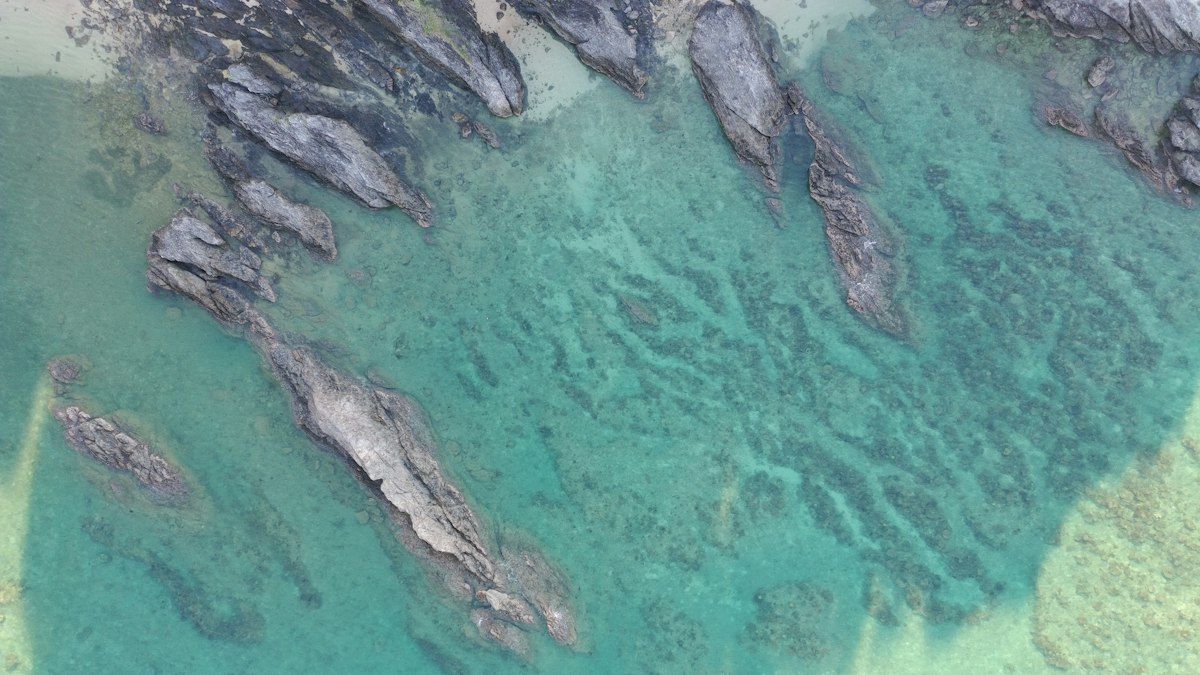
Inshore fishing keeps you closer to land and works the shallower water near the Keys. The bottom, the edges of the shallows and the movement of the water all shape where fish hold. That makes the day feel hands-on, because you spend your time watching the water and reacting to what the guide spots.
This option suits anglers who like to stay active and enjoy the hunt as much as the catch. It also fits people who want a trip that stays near shore. The method on any given day depends on what the guide sees in front of you, so expect to adjust as you go instead of repeating one routine all morning.
If you are newer to fishing, inshore is a sensible place to ask questions. You can see the water you are fishing, which makes it easier to understand why the guide moves the boat or changes the approach. Tell the guide your experience level when you book so the day is pitched at the right speed.
Fishing the wrecks
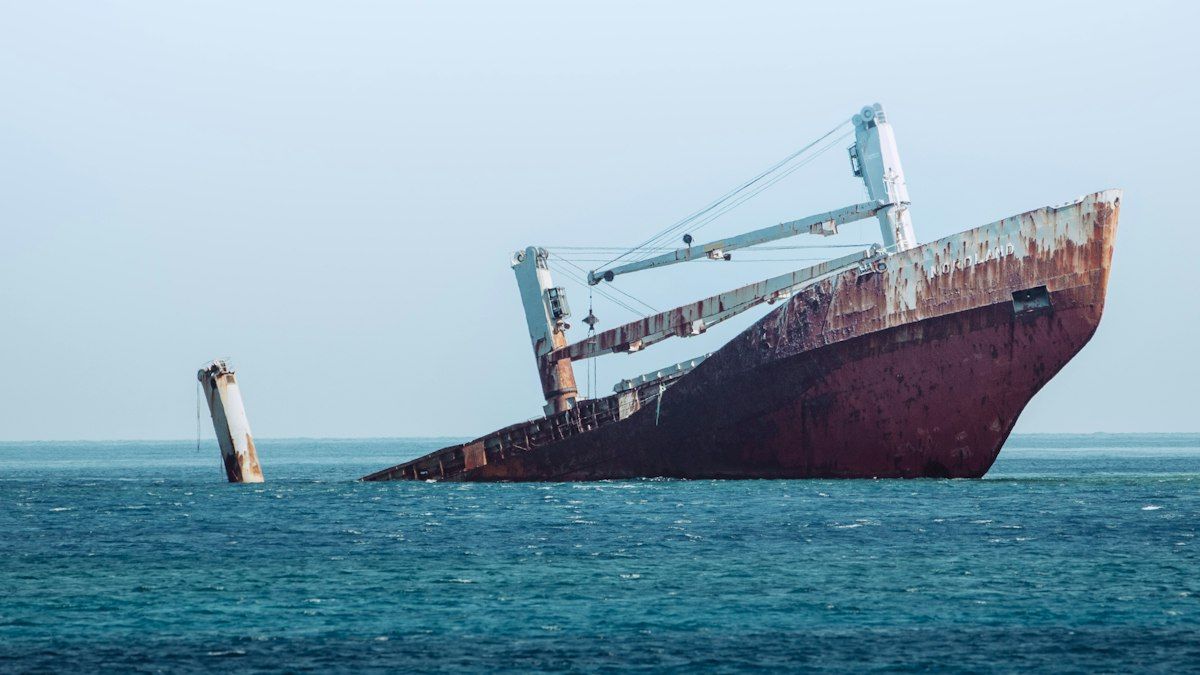
A wreck is a sunken ship resting on the bottom, and any structure on the seafloor tends to draw fish. Wreck fishing is built around that idea. You are fishing over something that stands out from the surrounding bottom, and the fish you meet are the ones that use that structure for cover and food.
Success over a wreck depends heavily on the boat being in the right spot and staying there, so local knowledge matters more than your own casting skill. You are fishing over a particular piece of structure, and the guide knows how to put you on it. For a visitor with no experience of the area, that is a real advantage.
Wreck trips suit anglers who want to fish somewhere with a bit more of a destination feel. If the idea of dropping a line over a sunken ship appeals to you, this is the option to ask about. Expect the day to center on the structure itself, with the guide explaining what lies beneath the boat.
Matching a trip to what you want from the day
The easiest way to choose is to decide what kind of day you want. If you want to stay engaged, watch the water and move around, inshore is the natural fit. If you want to fish over a specific piece of structure and rely on the guide's knowledge of where to be, wrecks make more sense.
Some anglers will want both, and nothing stops you from booking one trip and then the other on a later visit. Doing so gives you a real comparison between the two instead of guessing from an article. Each option has its own strengths, and neither one is automatically the better trip.
Group makeup is worth thinking about as well. A mixed group with different experience levels may prefer the option where the guide can explain what is happening and keep everyone involved. Mention who is coming when you reach out, so the guide can recommend the trip that works for the whole boat.
Questions to ask before you book
You will get far more from your trip if you ask a few direct questions up front. Good ones to bring to Key Dives include:
- Which fish are realistic targets for the dates I am visiting?
- Is inshore or wrecks the better match for my experience level?
- What should I bring, and what is provided?
- How do weather and conditions affect the trip?
- What are the cancellation terms if plans change?
Asking about gear, conditions and cancellation before you pay is simply good practice with any charter. The answers come from the guide, not from a general article, and they will be specific to the trip you are considering. Get them in writing if you can.
Fishing in Islamorada rewards the people who match their trip to the water. Pick the setting that fits how you like to fish, ask the guide what is realistic for your dates, and let that conversation, not a generic species list, decide your target. From there, Key Dives can help you book the option that fits.